
A patio does not need to feel like midsummer to be worth using in winter. It needs one part of the evening to feel genuinely comfortable: the table where dinner stretches past dessert, the lounge where friends settle in after sunset, or the pair of chairs that always catch the last bit of light. Start there, rather than trying to turn the whole yard into a heated room.
That shift changes everything. It leads to better furniture placement, fewer competing objects, and a more convincing result when outdoor heat becomes part of the plan. A warmer patio is usually less about adding more equipment and more about shaping a calm, protected place where people naturally want to gather.
Start with the part of the patio you want to extend
Choose one real gathering zone. It might be a four-person table beneath a pergola, a sofa near the garden, or a small dining corner beside the house. Notice where people sit when the evening is already pleasant. Those seats are the best starting point for a winter plan because they tell you where comfort will matter most.
Once that zone is clear, walk through the room as it is actually used. Pull chairs back. Carry a tray from the kitchen. Open the door fully. Stand where someone would linger at the grill. A comfortable patio still needs easy movement, a clear view, and enough room for people to relax without navigating around a fixture. Home Crush’s patio heater placement guide is a useful next read for turning those observations into a layout.
Take the edge off the wind first
Winter comfort is shaped by more than the temperature on a weather app. A small breeze across a dining table can make an otherwise lovely patio feel unfinished, while a tucked corner with a wall, planting edge, or well-placed screen can feel inviting well after dark. Spend time outside at the hour you want to improve and pay attention to where the air enters the space.
Use the architecture you already have. A solid side wall, a deeper roofline, a tall planter, or the orientation of a table can help create a calmer pocket without closing the patio in. The goal is not to seal off the outdoors. It is to give the gathering a little relief so warmth, conversation, and candlelight are not constantly being carried away.
This is also why a patio should be planned as a series of zones instead of one open rectangle. The sunny breakfast spot, the wind-protected dinner table, and the quiet lounge may each need a different level of shelter. A small adjustment in where furniture sits can have more effect than adding another accessory to the middle of the room.

Make the seats feel worth staying in
Outdoor furniture earns its keep in winter when it feels generous enough to settle into. Deeper cushions, a few washable throws, and a texture underfoot can soften the experience before any heat is switched on. They are not a substitute for a properly planned heater, but they change the first impression from “we should go inside” to “let’s stay for one more drink.”
Keep these layers intentional. Place throws where people will actually reach them, rather than draping every chair. Choose cushions that are comfortable for the season and easy to bring in when wet weather arrives. If a rug suits the surface and exposure, size it to hold the front legs of the seating group so the room feels anchored rather than scattered. The outdoor rug size guide can help with that proportion.
Warmth is also emotional. A table that has a small pool of soft light, comfortable chairs, and a clear view toward the garden will often feel more welcoming than a brighter but colder patio. Think of every layer as support for the same outcome: keeping the people you invited comfortable enough to linger.
Use light to make the evening feel warmer
Good lighting does not raise the temperature, but it changes whether an outdoor room feels like somewhere to spend time. One harsh floodlight can make a patio feel exposed. A considered mix of table light, a gentle overhead glow, and enough illumination for steps and pathways makes the room feel settled after sunset.
Begin with the faces around the table and the routes people need to use. Then let the garden and architecture fall into a quieter background. Home Crush’s patio lighting ideas offers practical ways to layer those moments without turning the patio into a stage set. In winter, this matters even more because darkness arrives earlier and people decide quickly whether an outdoor gathering feels effortless.
Lighting can also simplify the larger plan. When a single outdoor fixture supports both warmth and dimmable light, the patio has fewer objects competing for space and attention. That leaves more room for the table, the view, and the people sitting together.
Choose heat for a defined job
An outdoor heater works best when it has a clear relationship to the people it is meant to support. Instead of asking it to warm a whole exposed patio, identify the chairs or table that need comfort first. Radiant heat is especially useful in a defined zone because it travels toward people and surfaces rather than trying to condition the open air around them.
There are several forms to consider. A freestanding option can suit a flexible arrangement. An overhead or pendant direction can preserve valuable floor space. An integrated outdoor-comfort piece can bring warmth and light together in a more composed setting. The right choice depends on the seating, the structure, power, circulation, and how the room changes between an ordinary weeknight and a larger gathering.
For a broad comparison of those directions, explore outdoor patio heaters. If the project is specifically electric, the electric patio heater guide explains the questions around mounting, power, and form. The more focused infrared patio heater guide is useful when you want to understand how radiant warmth behaves around a dining table or lounge.
Let the gathering become a little more intimate
Winter is a good reason to reconsider the scale of the seating arrangement. A long, loose conversation area may work beautifully in summer, but a smaller grouping often feels more natural on a cool evening. Bring a pair of occasional chairs closer to the sofa, move the dining table away from the exposed edge of the terrace, or choose the end of the patio with the most shelter for an after-dark meal.
This is not about making the patio crowded. It is about letting people share the same comfortable zone without shouting across a gap. Leave enough room for someone to get up easily, place a drink, and enjoy the view. When the furniture is close enough for conversation and the warmth is aimed at the group, the entire outdoor room feels more relaxed.
A smaller winter layout can also make a large patio feel intentional during a quieter season. The unused edge of the terrace does not need to compete for attention. Give the active part of the room the best cushions, light, and warmth, then let the garden and surrounding architecture create a beautiful backdrop.
Read the structure before choosing a heater
Look up before settling on a model or a location. The lowest beam, fabric shade, ceiling fan, roof material, wiring, and open sides of a patio all affect what can work. A breezy pergola, a deep porch with one open edge, and a nearly enclosed room can appear similar in a photograph, but they do not create the same conditions.
Measure the proposed location itself, not only the tallest point overhead. Include the height of a raised deck, a dining table, and the path people take when chairs are pulled back. If the patio is covered, read Home Crush’s covered patio heater guide before assuming any overhead or freestanding option will fit.
Model-specific instructions are the decision point. They determine mounting conditions, clearance from nearby materials, electrical or fuel requirements, weather suitability, and service access. The U.S. Consumer Product Safety Commission warns against using outdoor heaters indoors, and the Fire and Rescue NSW outdoor-heater guidance likewise stresses manufacturer clearances and stable, ventilated outdoor conditions. Use those principles, then let the exact product documentation and qualified local help settle the final layout.
Keep safety inside the design process
Safety is not a last-minute checklist after the furniture is in place. It shapes a good outdoor room from the beginning. Map doors, walking paths, chair pull-back space, and the locations of combustible materials. If a heater placement makes the route to the house awkward, crowds the end of a table, or conflicts with the product’s required clearance, change the plan before anything is installed.
Fuel-burning and electric products have different requirements, and neither should be guessed from a photo or a neighbor’s setup. Outdoor equipment should be used only as its maker approves, and a fixed electrical, gas, or structural decision deserves qualified professional input. A heater that looks beautiful but is squeezed into the wrong conditions is not a design success.
That discipline has a welcome side effect: the finished patio feels calmer. The heat source supports the gathering without becoming a trip hazard, a visual interruption, or a permanent obstacle. The room keeps the easy rhythm that made you want to spend time outside in the first place.
Bring the whole outdoor room together
The most useful winter patios are not assembled as a shopping list. Furniture creates the gathering. A little wind protection makes that gathering more comfortable. Lighting helps it feel relaxed after dark. Heat extends the evening. When those layers are planned together, the result feels like a real room, not a collection of seasonal equipment.
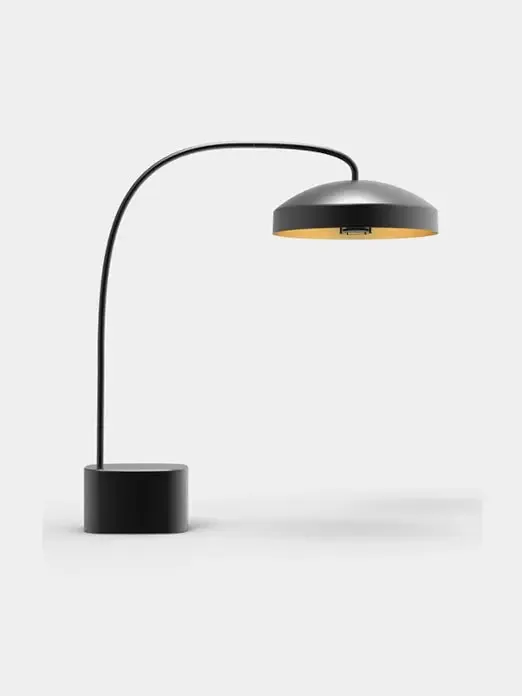
That is where the Heatsail collection offers a distinctive direction. DOME and DISC combine electric radiant warmth with dimmable light, while LEAF brings shade and misting into the larger outdoor-comfort conversation. The right model still depends on the structure and installation conditions, but the design advantage is simple: fewer competing objects and a more coherent patio.
If your patio needs to work harder in every season, bring Home Crush a few photos, rough measurements, and a note about how you gather. The design team can help you connect the warmth, furniture, light, and layout so the outdoor room feels considered from the first cool evening onward.
Make winter evenings easier to enjoy
Start with the seats you want to keep comfortable, then explore outdoor patio heaters or the Heatsail collection. A few good measurements and photos can turn a cold corner into the part of the patio everyone chooses.
Frequently asked questions
What is the best way to keep a patio warm in winter?
Begin with the specific table or lounge you want to use, then reduce the breeze, add comfortable layers and light, and choose an outdoor heat source suited to the structure. A defined, protected zone usually feels better than trying to heat every edge of the patio.
Do patio heaters work in winter?
They can make a meaningful difference around a defined gathering area. Results depend on wind, the openness of the patio, the seating layout, the heater’s position, and the exact product. Use the manufacturer’s guidance to plan the final installation.
How can I make my patio feel warmer without a heater?
Start with wind protection, deep cushions, throws, a rug where appropriate, warmer lighting, and seating arranged closer together. These choices do not replace outdoor heat, but they can make a patio feel more inviting before the temperature drops.
Can I use an outdoor heater under a covered patio?
Sometimes, but only if the exact model is approved for that setting and its clearance, ventilation, power or fuel, and installation requirements are met. A covered patio should be evaluated by its real structure, not by a generic rule of thumb.
Related posts

Outdoor living
How Infrared Patio Heaters Work for Outdoor Rooms
A practical guide to infrared patio heat, from focused comfort zones and placement to choosing a form that belongs in the room.
Read article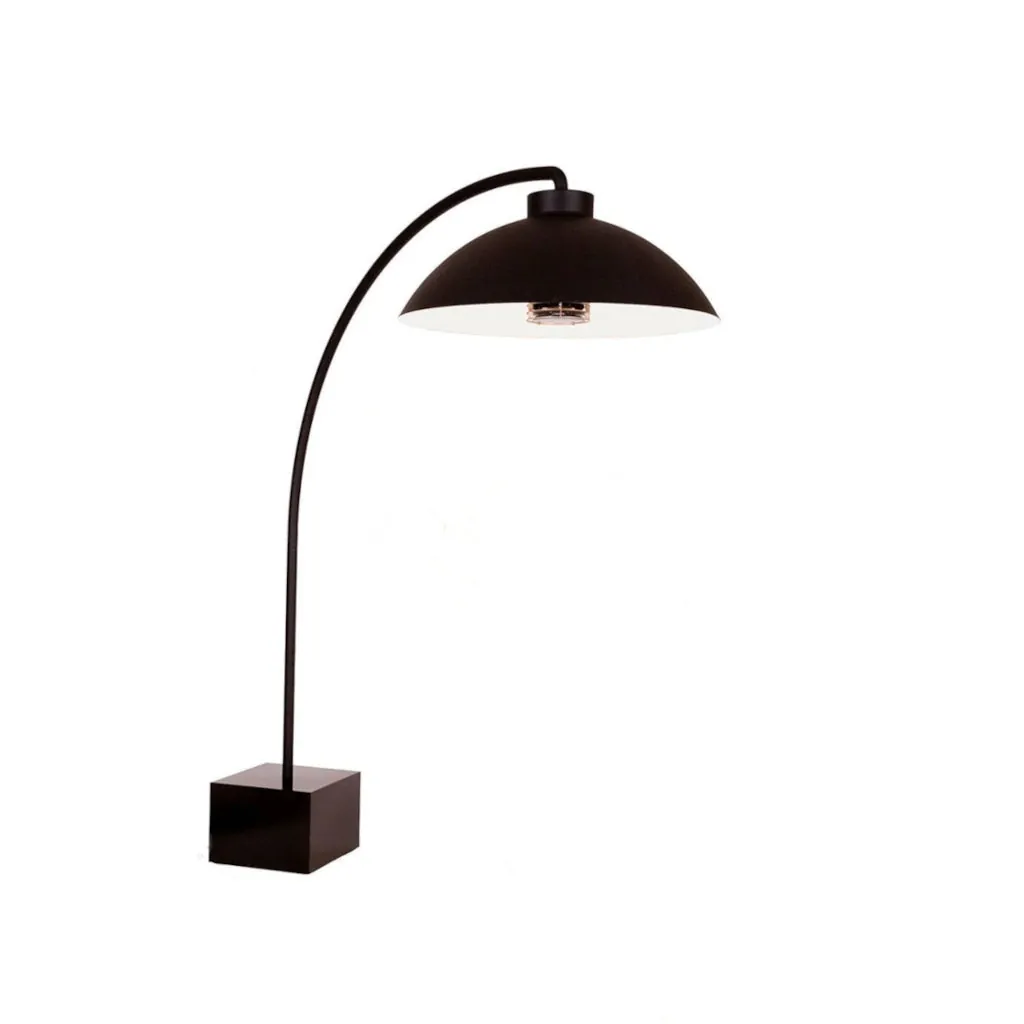
Outdoor living
How to Choose an Electric Patio Heater
A practical guide to choosing electric outdoor heat around the seats you use, the structure you have, and the evenings you want to extend.
Read article
Outdoor living
Can You Use a Patio Heater Under a Covered Patio?
What to check before adding warmth beneath a pergola, porch roof, or covered terrace, from clearances to the right heater for the room.
Read article
Outdoor living
Patio Heater Placement for a Better Outdoor Room
A practical guide to placing outdoor heat where people gather, while keeping the patio comfortable, clear, and safe.
Read article