

Patio lighting works best when it makes people forget about the lighting. You notice that the path is easy to follow, the dinner table feels flattering, and there is enough glow around the edge of the garden to make the whole space feel bigger. You do not notice a bright source in your eyes or a collection of fixtures competing for attention.
That quieter result comes from giving each light one clear job. A patio needs light for arriving, sitting down, eating, talking, and finding the way back inside. Once those moments are covered, the decorative layer becomes much easier to choose. The goal is not to make every square foot equally bright. It is to create useful pools of warmth where people actually gather.
1. Start with the way you use the patio
Before looking at fixtures, picture the evening you want to have. A patio used for late dinners needs good light over the table and an easy route to the kitchen. A lounge area needs lower, softer light close to the seats. A narrow side yard may only need a clear path to the gate and one welcoming pool of light near the door.
Write down the two or three moments that matter most. This prevents the common mistake of buying decorative lights first, then discovering the chairs, steps, and serving area are still in shadow. The U.S. Department of Energy notes that outdoor lighting serves navigation, hazard detection, reassurance, and enjoyment. Its overview of light at night is a useful reminder that the most successful plan begins with a purpose.
Walk the patio just after sunset and again after dark. Notice the places where people slow down, pull out a chair, carry a tray, or step off a change in level. Those are the spots that deserve the first layer of attention. The rest of the plan can be more relaxed.
2. Use three layers instead of one bright source
A single flood of light makes a patio visible. It rarely makes it pleasant. Instead, build the plan in three layers: functional light, gathering light, and accent light. The layers can be subtle. Their job is to create a sense of order, not a stage set.
- Functional light: Add it at doors, steps, gates, grill areas, and changes in level.
- Gathering light: Put it near the dining table, sofa, or conversation area.
- Accent light: Use it sparingly on a planter, a wall texture, a tree canopy, or the far edge of the garden.
When these layers work together, the eye moves naturally from the house to the gathering area and then outward. A patio feels more generous because the darkness beyond the furniture is not empty. It has a little shape and distance. Keep the brightest source for a task and let the rest be calmer.
3. Light the route before the mood
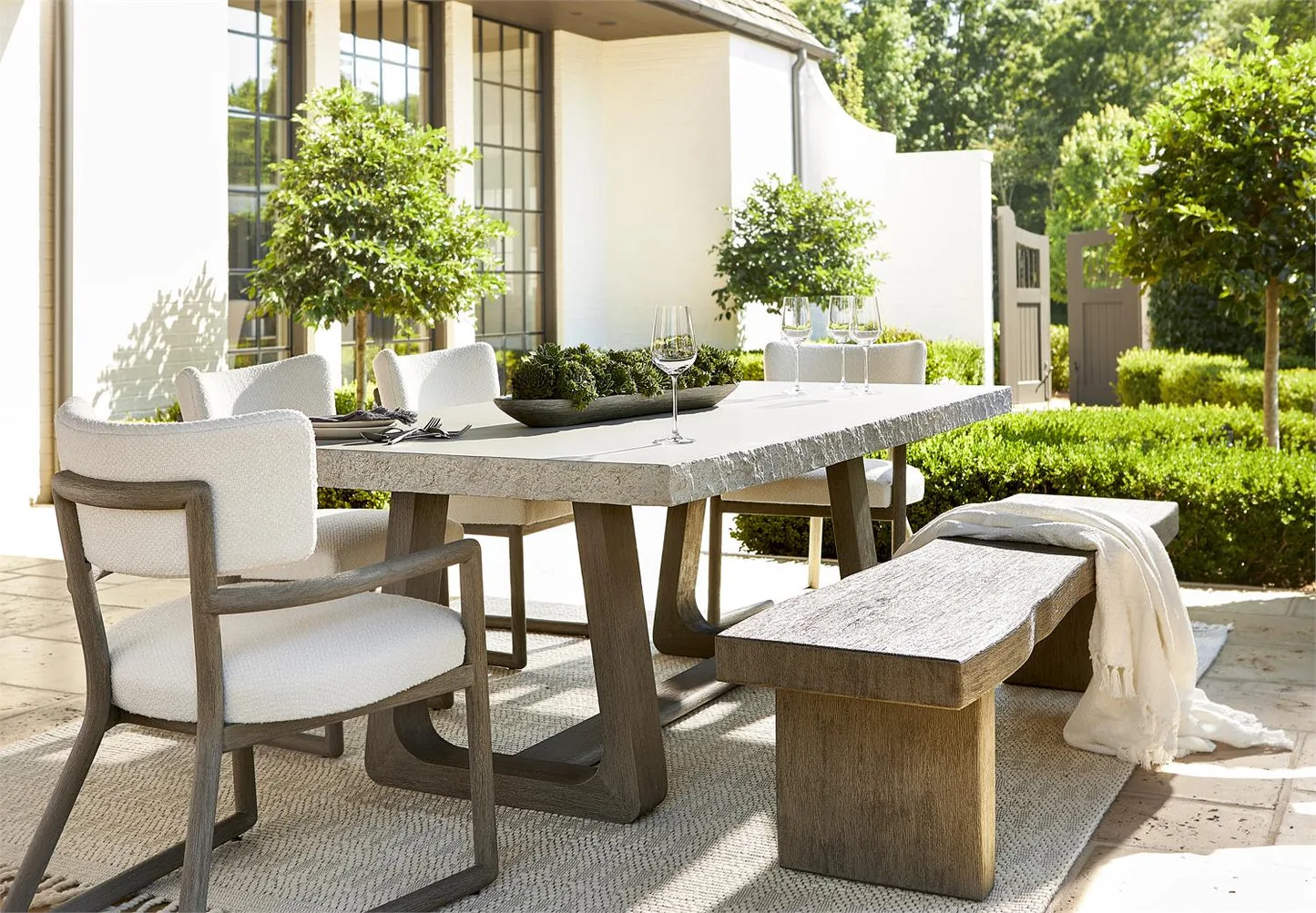
Atmosphere is easier to enjoy when no one is worrying about a step, threshold, or uneven paver. Start at the door and follow the real route to the table, seating area, garden, grill, and gate. You do not need runway lighting. A modest wall light, shielded step light, or focused path fixture at the changes in level is often enough.
Avoid aiming a fixture toward the person who is walking. Glare makes an area feel darker because the eye has to adjust around the bright source. Instead, direct light down toward the surface that needs to be seen. DarkSky's five principles for responsible outdoor lighting make the same practical case: keep light useful, targeted, low in level, controlled, and warm-colored where possible.
Stand at each seat and look back toward the house before committing to a fixture. Can you see the source directly? Does a reflection land in the glass door or polished tabletop? Could an arriving guest see the next change in level without looking into a bright bulb? These small checks are worth doing at night because a plan that seems sensible in daylight can feel completely different once the garden is dark. A good fixture often disappears into the architecture, while the surface below it quietly becomes easier to use.
There is no prize for illuminating every plant or paving joint. A pool of light at the threshold, a soft guide at the steps, and a restrained marker at the gate will usually serve a home better than a long line of identical path lights. When the route is calm and clear, people feel confident moving through the patio and the gathering area gets to remain the visual focus.
4. Make the table or seating area the visual center
Once the route works, choose one place that receives the most inviting light. In a dining space, that may be a pendant, a slim overhead fixture, or a well-placed string of lights that sits high enough to avoid blocking conversation. In a lounge, it might be a portable lamp, a pair of lanterns, or a dimmable wall sconce that makes the perimeter feel settled.
Think about the angle of the light as much as the fixture. A source straight above a table can be useful, but it can also feel hard when it is too bright or bare. A lower light bounced from a wall, filtered through a shade, or layered with a table lamp makes faces look better and gives the table more texture. Recent backyard lighting examples from The Spruce show how a mix of overhead, portable, and wall-mounted sources can make an outdoor room feel more intentional than a single decorative strand.
String lights are most successful when they frame a real gathering zone. Run them over a dining table, under a pergola, or between two stable points that give the patio a clear ceiling. Do not use them to compensate for missing task light at the door or steps. They are a lovely atmosphere layer, but they should not have to do every job.

5. Choose warm light and protect the night
For most homes, warm light creates the most comfortable evening. It works with wood, stone, upholstery, planting, and the softer colors that appear after sunset. A cooler blue-white source can make a patio feel more clinical and tends to call attention to itself before it illuminates the people and surfaces you care about.
DarkSky recommends a correlated color temperature of 2700K or lower when possible for home outdoor lighting. Its home lighting assessment also suggests that higher color temperatures should be carefully aimed, shielded, and used only when needed. That is especially relevant in a residential neighborhood, where light that spills past the patio can intrude on a neighbor's windows and flatten the garden's natural shadows.
6. Use dimmers, timers, and separate switches
The most flexible patios do not have one all-or-nothing lighting switch. Separate the practical route lights from the decorative and gathering lights so you can turn on only what the evening calls for. A casual weeknight drink may need the seating area and path. A dinner party may add the table and a gentle garden accent. Late-night cleanup may call for a brighter, temporary layer.
Dimmers make this easier, but simple controls matter too. Timers and motion sensors can keep an entry or side gate useful without leaving it bright all night. DarkSky specifically recommends timers for porch lights and occupancy sensors for security lighting. Its homeowner guidance explains how those controls reduce unnecessary light while keeping important areas usable.
Give yourself a simple sequence rather than a complicated system. One switch can handle the path and entry. A second can handle the table or lounge. A third can bring up the garden accents only when you are entertaining. If you are renovating, label that intention on the electrical plan before walls or hardscape are finished. If you are working with an existing patio, use plug-in lamps, portable lanterns, and well-placed smart controls to test the rhythm before investing in a permanent change.
Controls also protect the mood of the space. When every light comes on at full brightness, a patio can feel ready for a task but not for a conversation. Dimming the gathering layer after dinner lets the room change with the evening. Keeping the route light independent means someone can leave safely without turning the entire garden into a spotlight. That small amount of flexibility is what makes a patio useful for more than one type of night.
7. Plan light with warmth and shade, not after them
Patio comfort does not come from lighting alone. The hours after sunset often bring a cooler breeze, and the same overhead structure that gives shade in the afternoon can be the best place to organize light after dark. Considering those pieces together prevents a garden of separate add-ons competing for space.
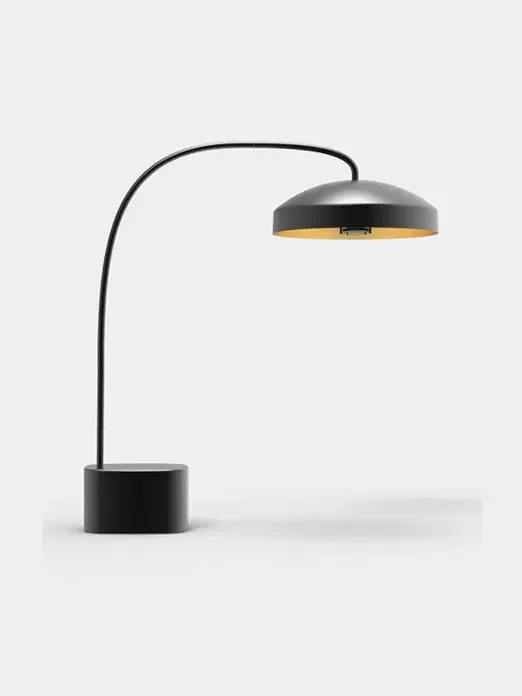
Home Crush carries outdoor lighting alongside outdoor furnishings, fire features, and Heatsail systems. A piece such as the DISC can bring warmth and dimmable light to a terrace, while LEAF combines shade, warmth, light, and misting overhead. The right answer depends on the patio's size, ceiling condition, sun exposure, and the way you gather.
8. A simple way to get started
Begin with the door and the route to your favorite seat. Add a warm light at the table or sofa, then choose one garden element to highlight. Live with that plan for a few evenings before adding more. You will quickly see where the patio needs another small layer and where darkness is doing useful work.
Good patio lighting makes a home feel larger because it gives the evening somewhere to go. The best version is specific to your rituals: the dinner that runs late, the last glass of wine outside, the children coming in from the yard, or the moment the garden becomes quiet. Give those moments the light they need and let the rest fall away.
- Tonight: Walk the patio after dark and list the places where you need to see, sit, or serve.
- This week: Test one warm portable lamp or lantern at the table or lounge before choosing a permanent fixture.
- Before installation: Check every fixture from a seated eye level, not only from the doorway.
- After installation: Adjust the aim and dimming at night, then give yourself permission to remove one light if the patio starts to feel over-lit.
That final edit matters. Outdoor rooms need contrast to feel restful. A beautifully lit table feels more welcoming when the planting beyond it recedes. A clear path feels safer when it leads through a quieter edge. Make the places people use easy to understand, then let the night keep some of its depth.
Bring the evening together
Home Crush can help you shape an outdoor room around the way you gather, from lighting and furnishings to all-season comfort. Explore outdoor lights, or work with the design team on a plan that feels settled from afternoon through evening.
Frequently asked questions
What is the best lighting for a patio?
The best patio lighting uses more than one source. Start with enough light to move safely, add a softer layer near the table or seating, then use a focused accent to give the garden, wall, or planting a sense of depth. The right mix depends on how you use the patio, not on a single fixture type.
How can I make my patio cozy at night?
Keep the light warm, low, and close to the moments people share. A small table lamp, a dimmable sconce, a lantern on a side table, or a pool of light above the dining table will feel more inviting than one bright fixture aimed across the entire patio.
Are string lights enough for a patio?
String lights can create a beautiful atmosphere, but they are usually an accent layer rather than a complete plan. Pair them with light at steps, doorways, and the table so the patio remains comfortable and easy to use after dark.
What color temperature is best for outdoor lighting?
Warm light is usually the most comfortable choice for a home patio. DarkSky recommends 2700K or lower when possible, particularly when a fixture is visible from neighboring homes or the surrounding garden. If you need brighter or cooler light for a specific task, aim and shield it carefully and use controls so it is on only when needed.
Related posts
Outdoor Living
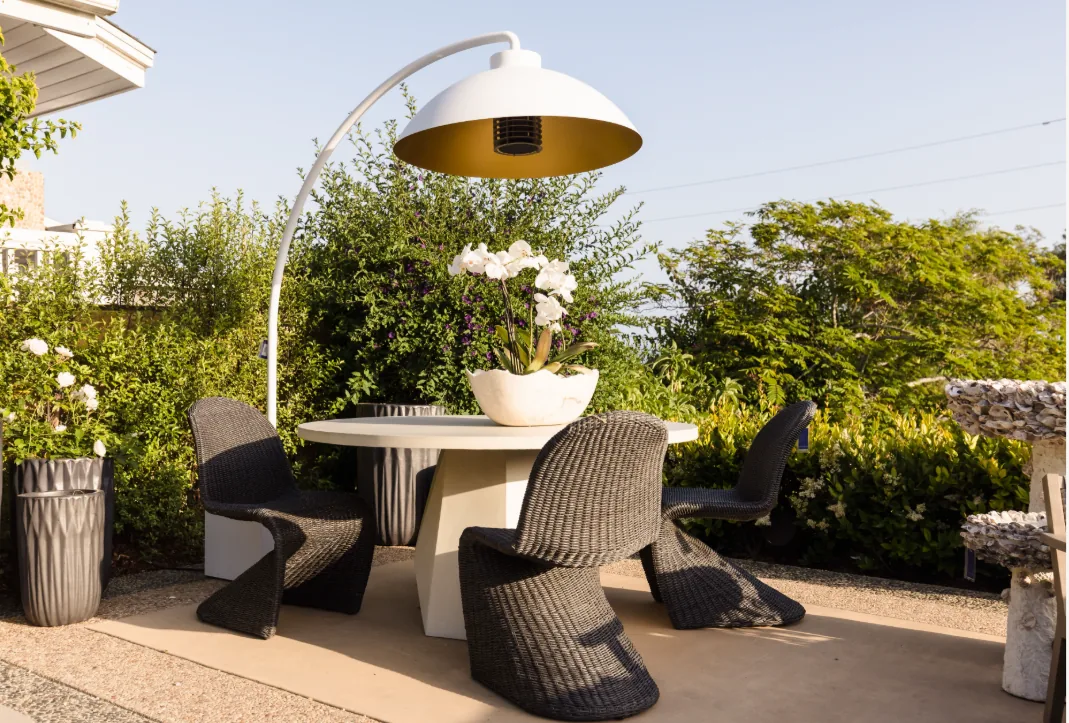
Outdoor Living Room Ideas That Feel Like Home
A designer-minded guide to planning an outdoor room with comfort, flow, shade, light, and a point of view.
Read article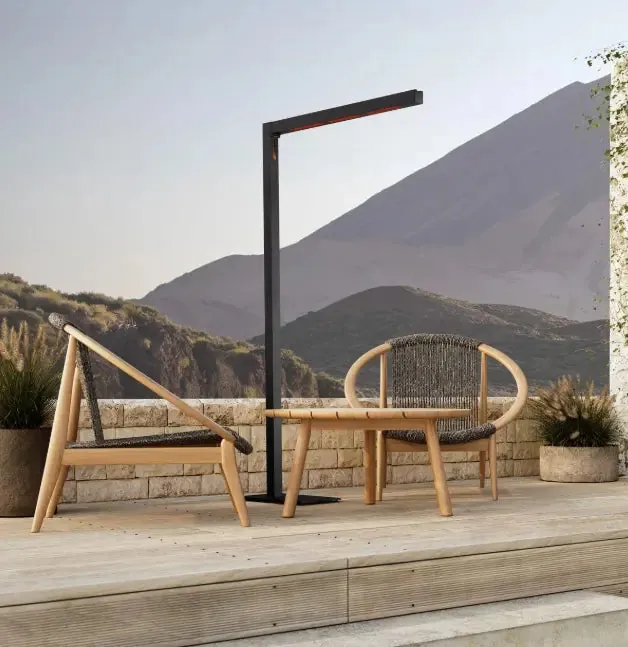
Outdoor Living
Patio Heater Placement for a Better Outdoor Room
A practical guide to placing outdoor heat where people gather, while keeping the patio comfortable, clear, and safe.
Read article