
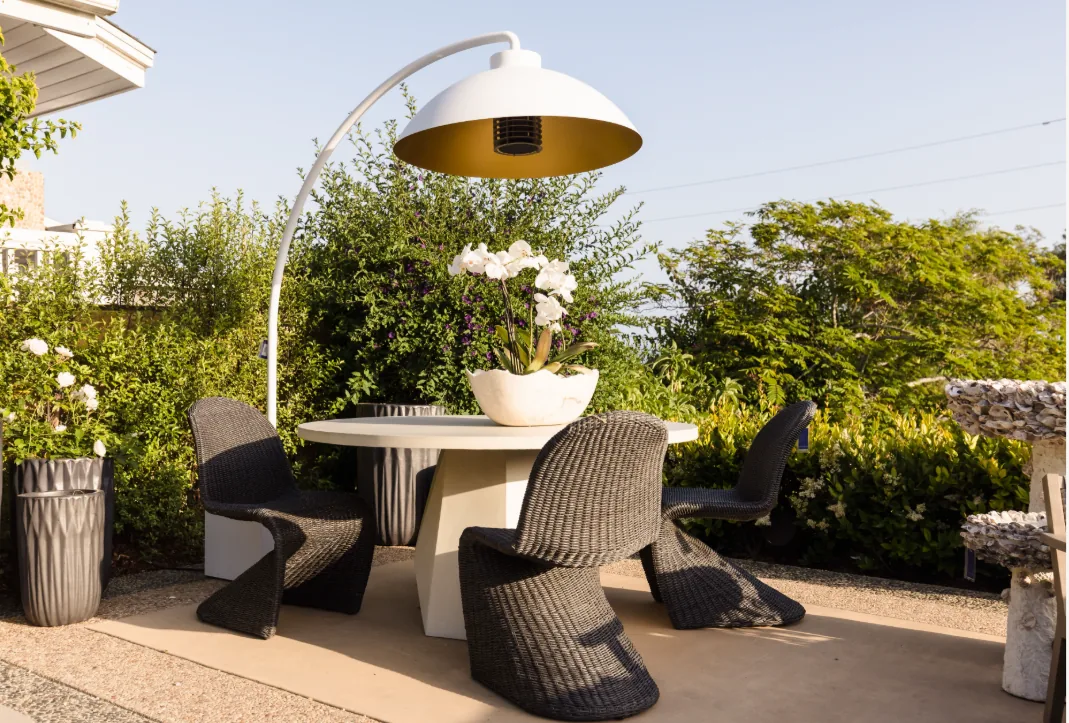
An outdoor living room is not a sofa placed outside. It is a place with a purpose, a sense of enclosure, and the small comforts that make people stay a little longer. The best ones feel easy because the planning is quiet: there is somewhere to sit, somewhere to set a drink, shade when the afternoon sharpens, and enough warmth and light to keep the evening moving.
That approach works on a compact apartment terrace, a deep porch, or a California backyard with room to spread out. Before you choose another pillow or planter, decide what the space needs to do. Once the job is clear, the furniture and finish choices become far more straightforward.
1. Begin with the moment you want to create
Give the room one primary job. It may be morning coffee, a long lunch, family movie night, quiet reading, or a place to host drinks before dinner. Trying to make a small patio serve every possible occasion is how it ends up feeling like storage with cushions.
The University of Florida's outdoor living guidance starts with the same practical questions: when will you use the space, where will people sit, and do you need tables, light, shade, or privacy? Their framework for outdoor rooms is useful because it prioritizes real use over decoration.
Write a single sentence before you shop: "This is where four people have an unhurried drink after sunset," or "This is where we eat breakfast in the shade." That sentence becomes a filter. If a piece does not support it, leave it out.
2. Treat the layout like a room, not a row of furniture
Indoor rooms work because the furniture creates a reason to gather. Apply the same principle outside. Face seats toward one another, not all toward the view. Keep a clear route from the house to the garden, grill, or pool. Then make sure every person has a nearby surface for a glass, book, or plate.
- For two: Use a pair of lounge chairs with a shared side table or a compact bistro table.
- For four to six: A sofa or sectional plus two loose chairs creates a conversation circle without the formality of a dining set.
- For a narrow patio: A bench along the wall, two movable stools, and a slim coffee table keep the center open.
Use one visual anchor to tell the eye where the room begins. An outdoor rug, a change in pavers, a pergola, or a pair of substantial planters can do the job. A well-made banquette, defined zone, or rug can make even a modest footprint feel deliberate. The strongest outdoor room examples from The Spruce's recent round-up use seating, privacy, and overhead cover to create that sense of a real room.
Before ordering anything, mark the footprint with painter's tape, cardboard, or a few dining chairs borrowed from inside. Walk the routes you will use most often, then sit in each proposed seat. Can someone carry a tray through the room without turning sideways? Does a chair pull out without blocking a door? Is there space to set down a drink from every seat? These low-effort tests reveal more than a furniture plan viewed on a screen. They also help you spend the budget where it changes daily comfort, rather than on a piece that looks appealing but works against the room.
3. Build from the ground up
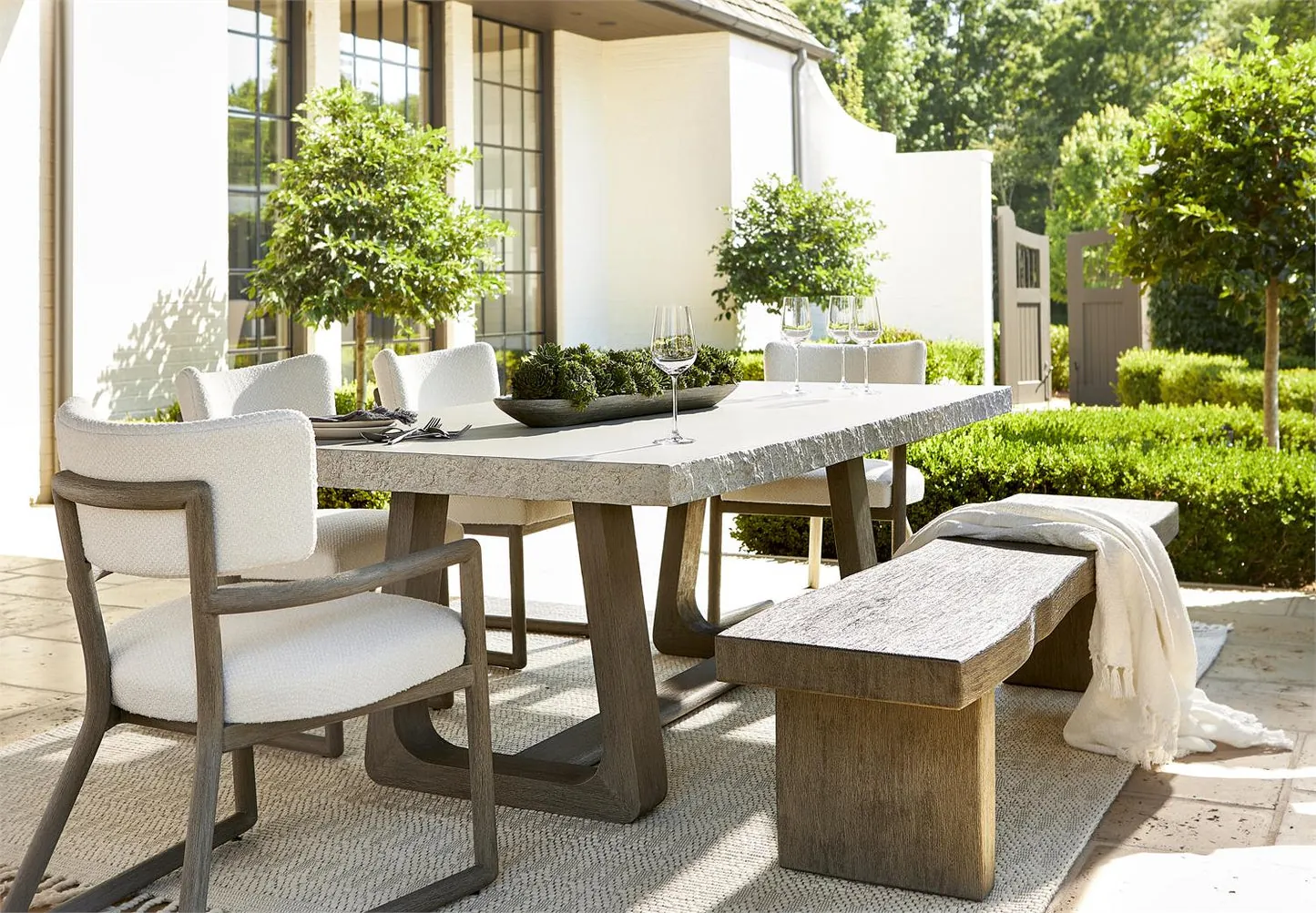
Start with the elements that are expensive or annoying to change later. Check how the surface feels under bare feet, whether rain will collect in the seating area, and how far chairs can slide back without landing in planting beds or a step. A room is only relaxed when people can move through it without performing a small obstacle course.
Next, pull the material language from the home. A plaster house can handle pale stone, woven texture, and soft neutral upholstery. A more contemporary exterior may call for clean-lined metal, teak, and simple canvas. You do not need to match every finish. You do need enough repetition that the outdoor room feels connected to the rooms inside.
For smaller patios, this is where restraint pays off. Architectural Digest notes that a compact footprint can support a few more considered materials or details, rather than a scatter of competing ones. Its patio planning guide also makes a useful point: decide how you want to use the area before committing to the big-ticket pieces.
4. Plan for shade before the sun makes the decision for you
Shade is not an accessory. It determines whether the space is usable at 10 a.m., 3 p.m., or only in the brief hour before sunset. Spend time in the area on a bright day and notice where the sun sits during the hours you actually want to be outside. Then choose the lightest-touch solution that gives the room relief.
An umbrella is flexible and works well for a small dining table. A shade sail can define a compact lounge without adding visual weight. A pergola, awning, or covered porch gives a larger room more permanence and creates a natural place for curtains, lighting, or a ceiling fan. For a patio that faces late-day sun, shade should cover the seats themselves, not simply hover nearby looking decorative.
Leave some open sky when you can. A mix of sheltered and uncovered zones gives guests choice and prevents the room from feeling like an enclosed addition. It also lets you reserve the most protected spot for upholstered pieces that need more care.
5. Layer light for people, not just for the photograph
One bright floodlight makes an outdoor room visible. It does not make it inviting. Start with the routes people walk, then the table or seating area, then the pieces of the garden that give the view depth. A low, warm layer near the furniture is more useful than a harsh light mounted high above it.
Use path and step lighting for orientation, a pendant or overhead fixture when the architecture allows it, and smaller table lamps, lanterns, or wall sconces to make a seating area feel finished. Keep the light directed downward or toward the surface you need to see. DarkSky's lighting principles recommend using light only where and when it is needed, with timers or sensors and warmer color temperatures where possible. That is good design, not just good manners for the neighborhood.
Explore outdoor lighting as part of the furniture plan, not after it. When lighting is considered from the start, cords, mounting points, and switch locations do not become a last-minute compromise.
6. Add privacy and softness at the edges
Privacy is what turns a patio into a room. It does not have to mean a tall solid fence. A trellis with climbing plants, a hedge, tall containers, a slatted screen, or a set of outdoor curtains can soften the boundary while still letting air move through. Put the privacy where you need it most: a neighbor's second-story sightline, a busy street edge, or the view from the kitchen window.
Then add texture slowly. Start with the furniture, then use a rug, pillows, throws, and a small number of personal objects to give the space its character. Outdoor-safe accessories still need editing. Two substantial planters and a sculptural tray will usually read better than a dozen small items fighting wind, dust, and sun.
For a collected look, mix one or two found objects with pieces designed for weather. A vintage stool tucked under cover, a weathered urn, or a hand-thrown vessel can bring the room closer to the rest of the house without asking the patio to become precious.
7. Make comfort work after sunset
A room that only works in ideal weather is a missed opportunity. Think through the temperature shift that happens after dark and decide which comfort layer fits your space. An overhead solution can keep sightlines clear and make a dining or lounge area more useful across seasons. Textiles, wind protection, and a nearby basket of throws do more than expected on a cool coastal evening.
For a refined all-in-one answer to shade, warmth, light, and misting, explore Heatsail. It brings those four comfort layers together without crowding the room with separate fixtures.

8. Edit until there is room to exhale
The final step is often subtraction. Remove the chair that blocks the path. Move the planter that interrupts the sightline. Choose one focal point, whether it is a fireplace, a sculptural light, a view, or a beautiful dining table, and let the rest of the room support it.
A good outdoor living room does not need to be large or complicated. It needs a clear purpose, comfortable proportions, a little protection from the elements, and enough personality to feel like it belongs to your home. When those foundations are right, the room invites the kind of lingering that no amount of styling can fake.
Bring the plan together
Home Crush can help you choose the pieces that make an outdoor room feel settled, from lighting and furnishings to an all-season centerpiece. Begin with the outdoor collection, or work with the design team on a room that is shaped around how you live.
Frequently asked questions
How do I make my patio feel like an outdoor living room?
Start with a clear purpose, then anchor it with a comfortable seating arrangement, a surface for drinks, and a visual boundary such as a rug, planter grouping, or overhead shade. Add a second layer of comfort, such as soft lighting, pillows, or a throw basket, only after the layout works.
What furniture should go in an outdoor living room?
Choose seating that suits the way you gather, then add only the supporting pieces you will use. A small conversation area may need two lounge chairs, a side table, and a low table. Larger patios often benefit from a sectional or sofa, two flexible chairs, and enough table space for every seat.
How can I make a small outdoor living room feel bigger?
Use fewer, better-scaled pieces and keep the path through the space open. One rug, one seating group, and one strong focal point read more generously than several small furniture clusters. A narrow bench, stools that pull double duty, and planters placed at the edge can add function without crowding the center.
Do outdoor living rooms need a cover?
Not always, but some form of shade or shelter makes the space usable for more hours of the day. An umbrella, shade sail, pergola, awning, or covered porch can be enough. Choose the solution based on sun direction, wind, the size of the seating area, and how permanent you want the room to feel.
Related posts
Outdoor Living
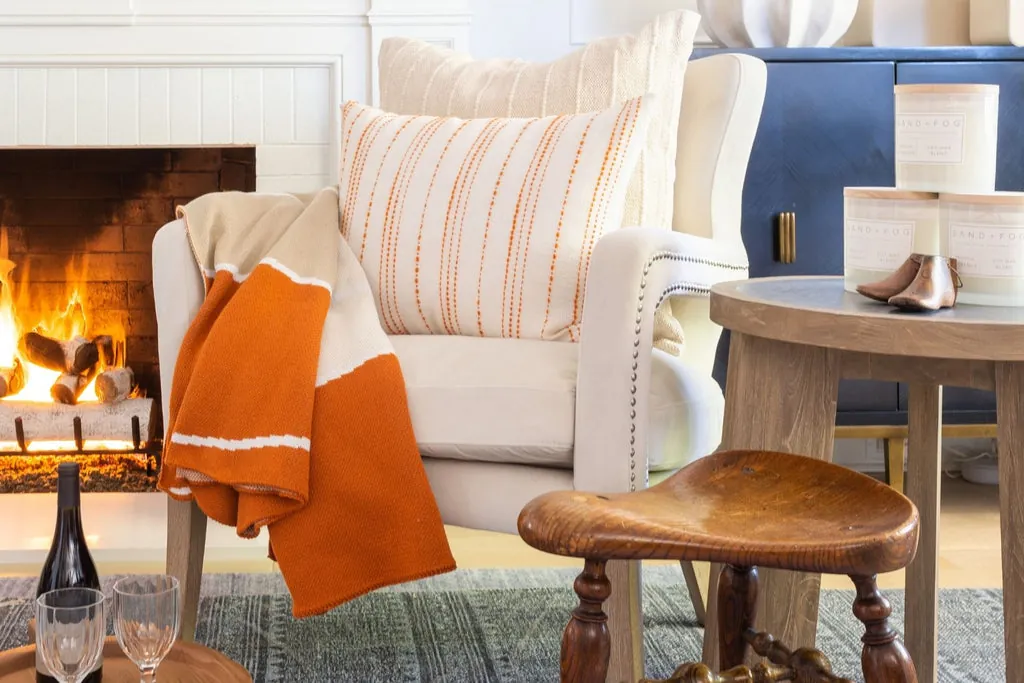
Patio Lighting Ideas for Evenings Outside
A practical guide to layering patio light for dinner, conversation, safe movement, and an inviting after-dark glow.
Read article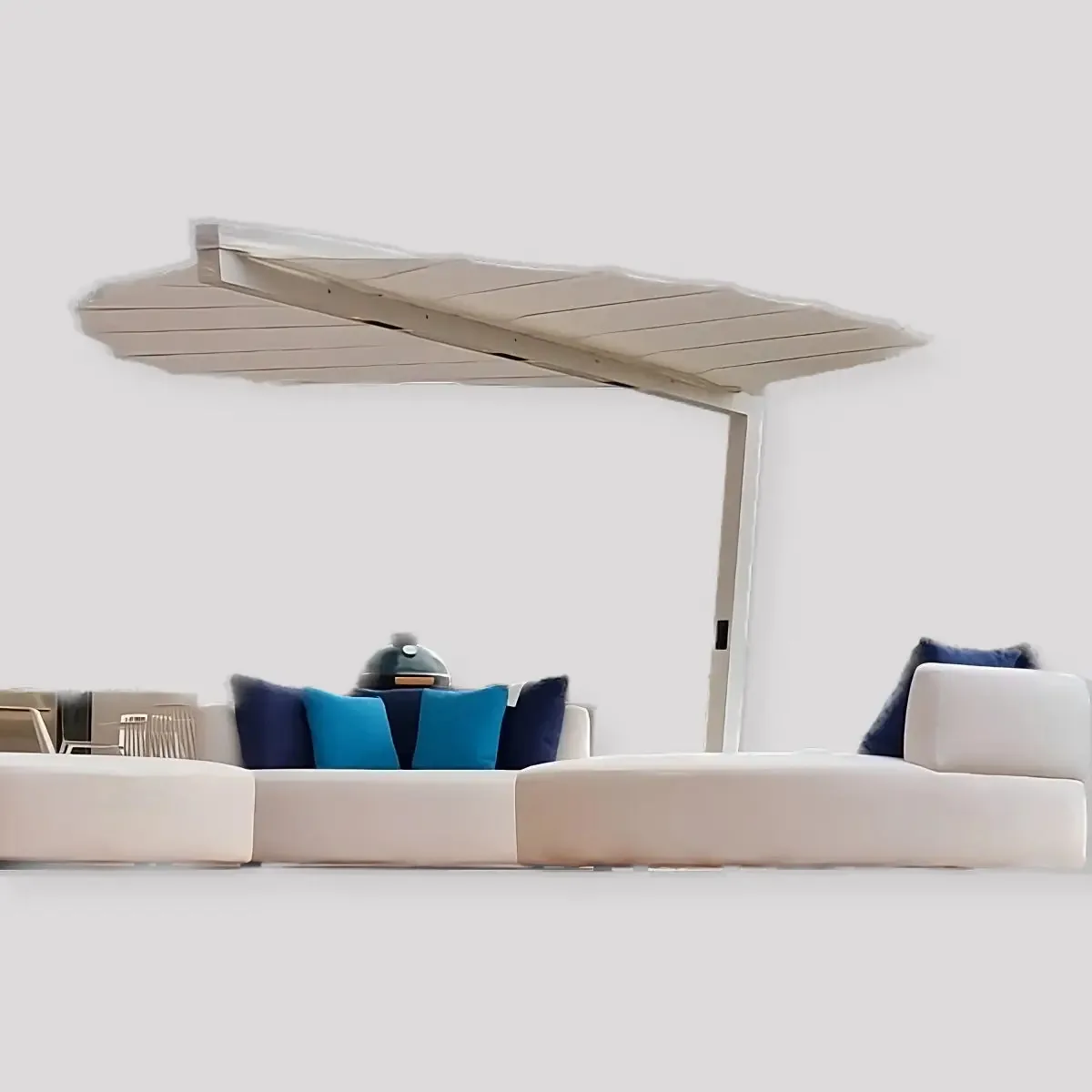
Outdoor Living
Patio Shade Ideas for a Cooler, Better-Looking Space
A practical guide to choosing patio shade that suits the sun, the structure, and the way you actually spend time outside.
Read article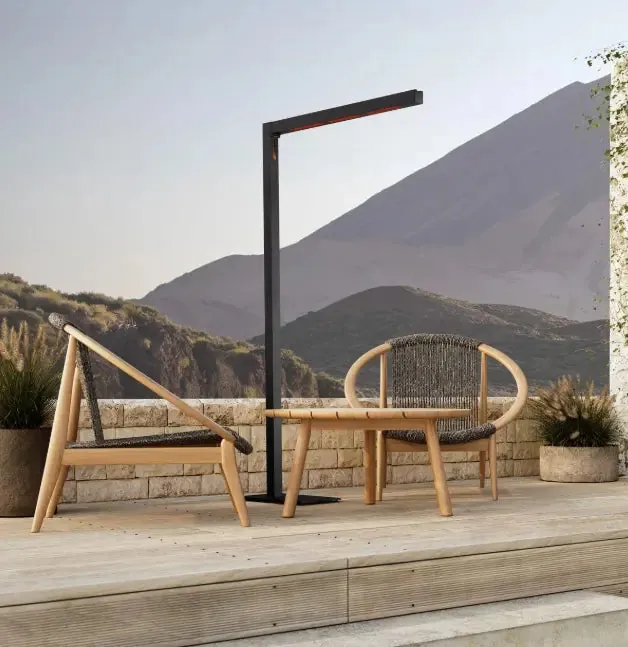
Outdoor Living
Patio Heater Placement for a Better Outdoor Room
A practical guide to placing outdoor heat where people gather, while keeping the patio comfortable, clear, and safe.
Read article