
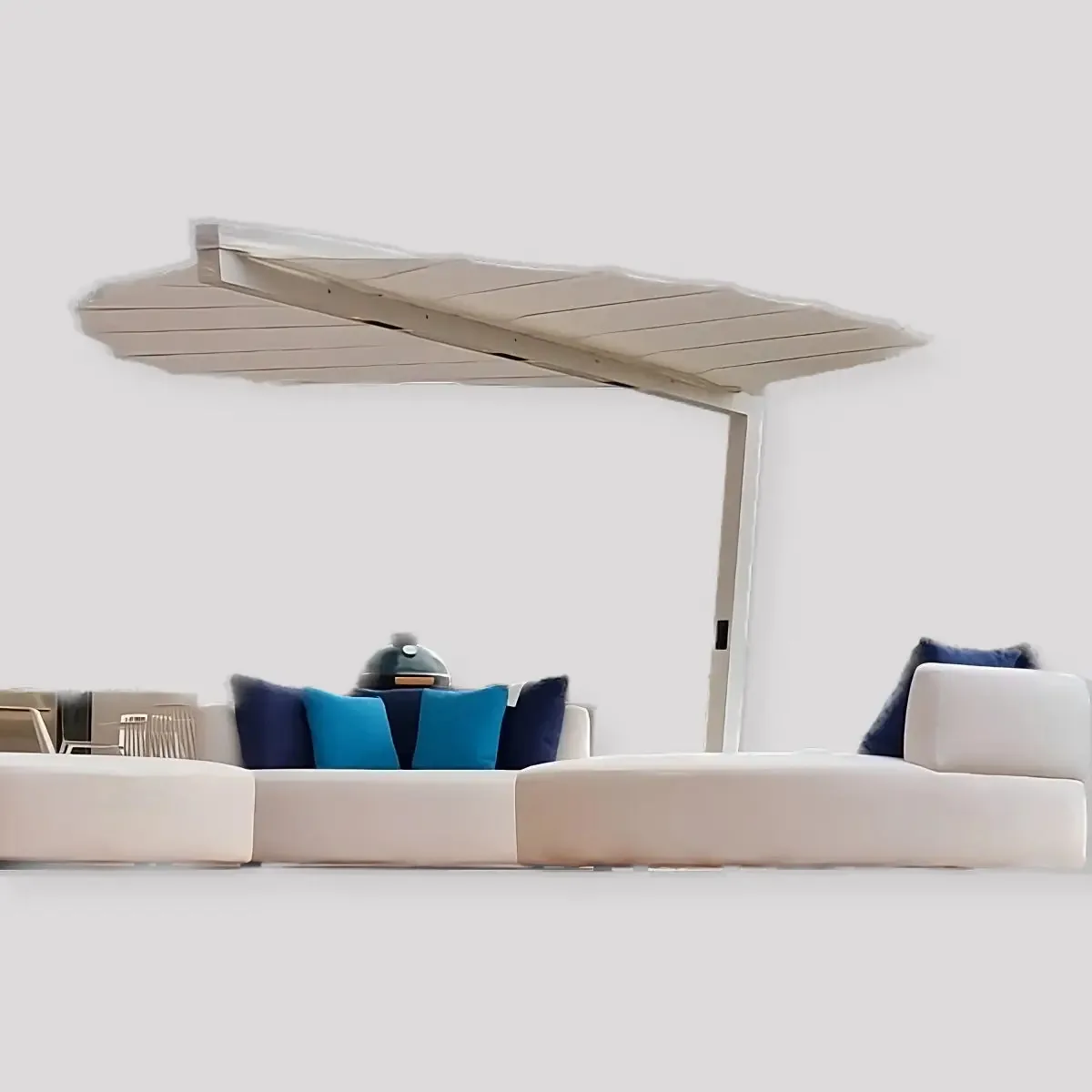
The right patio shade does more than lower the temperature. It gives the outdoor room a reason to be used at noon, creates a sense of ceiling over a table or lounge, and makes the furniture beneath it feel intentional instead of temporarily parked outside. The best answer is rarely the biggest structure. It is the one that covers the moments you actually want to have.
Start with the first cup of coffee, the late lunch, the hour when the west-facing sun finds the sofa, or the dinner that goes past sunset. A patio that feels perfect at 9 a.m. may be unlivable at 4 p.m. Once you understand when and where the light becomes uncomfortable, choosing between an umbrella, a shade sail, a pergola, an awning, or a more integrated system becomes far less mysterious.
1. Watch the sun before choosing a structure
Spend one clear day noticing where the sun lands on the patio at breakfast, lunchtime, midafternoon, and early evening. Take a few photos from the same spot, or make a quick sketch of the furniture and the moving shadow line. You are looking for practical truth: which chair is too hot to use, which end of the table catches glare, and when the house itself starts to offer relief.
Pay special attention to lower morning and late-afternoon sun. Overhead shade can be excellent at midday while doing very little when sunlight comes in from the side. That is when a side screen, a curtain panel, a leafy edge, or an adjustable canopy can matter more than a larger roof. Planning from real use also avoids an expensive mistake, a beautiful structure that shades paving instead of people.
The U.S. Department of Energy notes that shading trees can block summer sun before it reaches walls and roofs. Its residential design guidance is a useful reminder to place shade where it intercepts light before it lands on the dining table, lounge cushions, or the glass doors behind them.
2. Give the shaded zone one clear job
A patio can have more than one mood, but a shade solution needs a first priority. Shade over a dining table should make it comfortable to linger over lunch. Shade over lounge chairs should protect the people sitting there, not simply make a graphic shape across the floor. Shade near the door should make the transition from inside to outside easier without turning the entry into a dark tunnel.
- For dining: Center coverage on the table and leave room for chairs to pull back without leaving the shade.
- For lounging: Cover the seats first, then use a side panel or planting to manage low-angle glare.
- For a small terrace: Favor a movable solution that preserves the view and does not crowd circulation.
- For a larger backyard: Create one deeply comfortable shaded gathering zone rather than scattering small bits of cover everywhere.
Mark the proposed footprint with an open umbrella, a sheet held between chairs, or painter's tape on the paving. Sit there at the time of day that matters most. Can someone read without squinting? Is the table still usable when chairs move? Does the cover interrupt a view you want to keep? These small tests reveal the difference between shade that photographs well and shade that changes daily life.
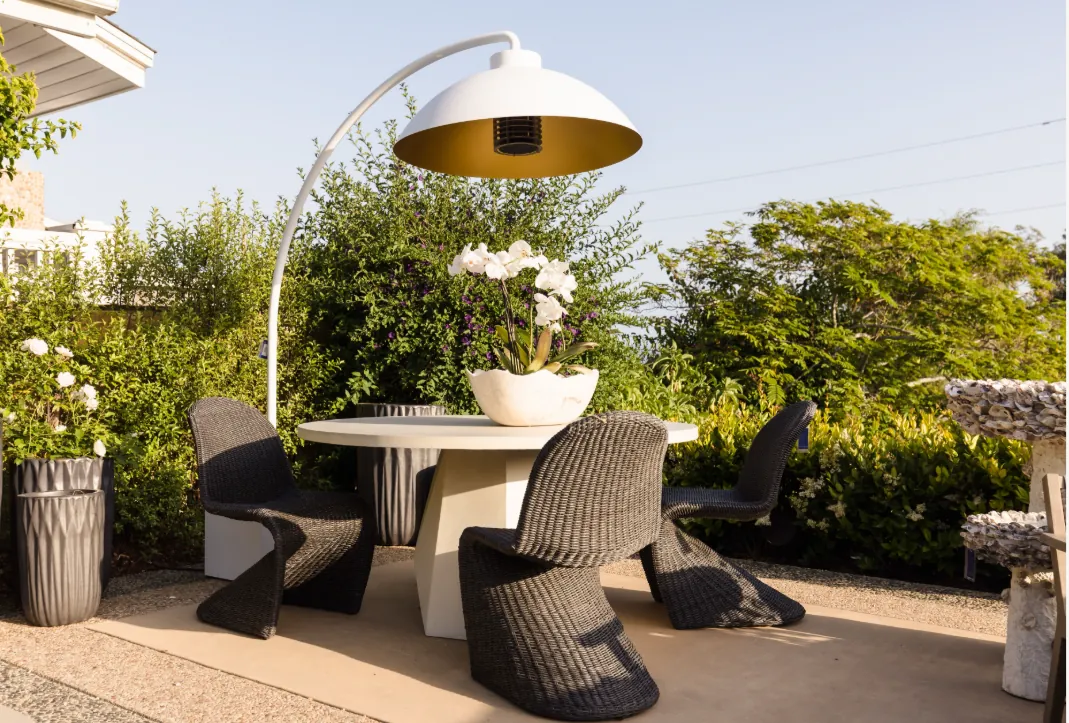
3. Start simple with an umbrella when flexibility matters
An umbrella is often the most forgiving way to solve a small, specific shade problem. It works especially well over a dining table, beside a chaise, or in a compact courtyard where a permanent structure would feel too heavy. It also gives you a chance to learn how the patio is used before committing to an installation.
Choose the canopy size based on the seated area, not only the tabletop. A centered umbrella may cover the food while leaving everyone around the edge in full sun. A cantilevered umbrella can push the pole out of the way and give a lounge more usable coverage, but it needs a properly weighted base and enough room to rotate without hitting a wall, tree, or railing.
Umbrellas are best when you want choice. You can tilt them toward the low afternoon sun, close them when the view matters, and move them as the layout changes. They are less convincing when a large group gathers in the same place every day, when the site is notably windy, or when you want the patio to feel like a finished room rather than a furnished open area.
4. Use a shade sail for a light, architectural canopy
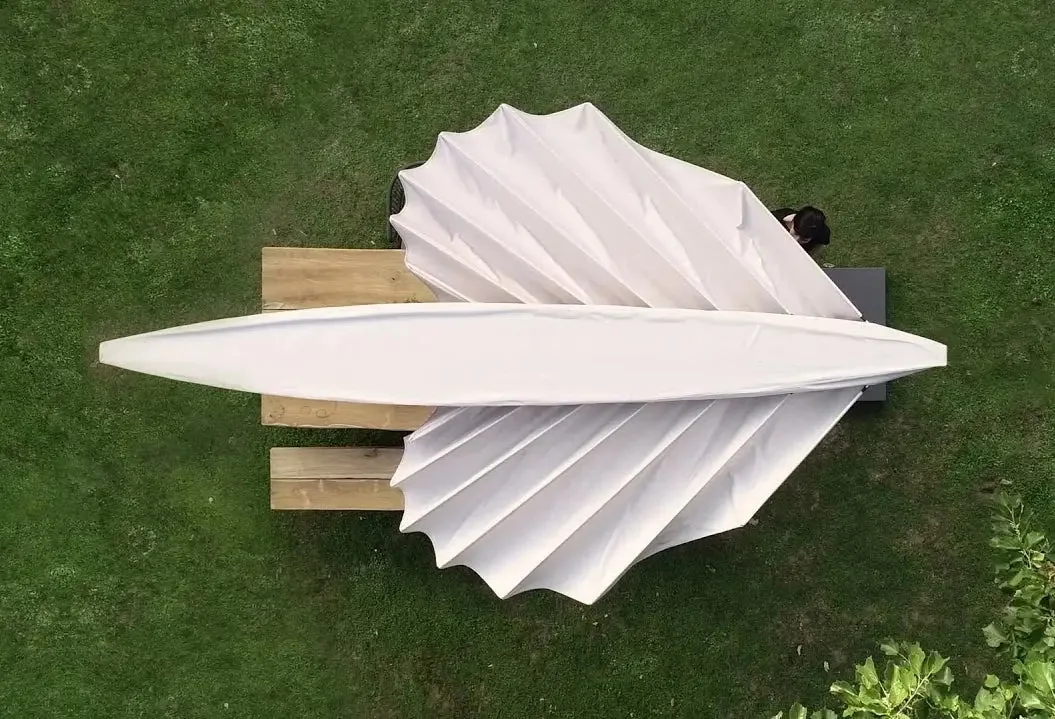
Shade sails can make a small patio feel designed without the weight of a roof. Their clean planes suit contemporary architecture, and a carefully placed triangle or rectangle can cover an awkward corner that would not take a standard umbrella. They can preserve a sense of open sky because their edges read lighter than a built structure.
The detail is in the placement. A sail needs reliable attachment points, real tension, and a plan for water so it does not become a sagging collector after rain. Keep it clear of branches that rub, doors that swing, and routes where a low corner would become a hazard. If the patio has no existing anchors, posts may be possible, but they should be set with the same care as any other permanent landscape element.
Think about the shadow edge, too. A sail can be angled to make a more dynamic shape and encourage runoff, but that angle also changes where the shade falls. The broadest part should protect the gathering area during the most demanding part of the day. A recent survey of patio shade approaches illustrates the useful range, from compact sails and umbrellas to built structures and planted canopies.
5. Choose a pergola or awning when the patio needs a room
A pergola, awning, or covered terrace makes sense when the outdoor area has become a dependable extension of the house. These options give the patio stronger proportion, create a natural place for lighting and curtains, and make it easier to arrange furniture with confidence. They can make a large open slab feel more human by giving one part of it a clear center.
A pergola is ideal when you want filtered light, a framework for vines, or a structure that can accept a retractable canopy later. It does not automatically provide complete sun protection, so be honest about the hours you need relief. If the slats leave the lunch table in direct sun, add a tailored fabric layer, a movable canopy, or a second adjustable element rather than hoping the furniture will solve the problem.
An awning can be a better choice where the sun is strongest close to the house and the patio needs a deeper band of shade over doors or windows. Its visual effect is softer than a freestanding roof, and a retractable version lets the patio open back up when the weather is gentle. Before installing either option, consider how the shape will relate to the house, where water will go, and whether the structure makes room for the furniture you actually want beneath it.
6. Let planting soften the edges, not carry the whole burden
Trees, climbing plants, and tall planters can make a patio feel cooler and more settled, but they work on a different timeline from a canopy or roof. A young tree does not offer instant relief, and a vigorous vine needs a sturdy support before it becomes a beautiful ceiling. Use planting to soften hard edges, add privacy, and create dappled moments, then rely on a constructed shade layer when dependable coverage is the priority.
Different kinds of shade create different planting conditions. The University of Minnesota Extension notes that shady areas tend to stay cooler and hold moisture longer, and that light can range from dappled to deep shade. Its guide to gardening in shade is a helpful prompt to observe the new conditions before filling the patio edge with plants that expect full sun.
A pair of substantial planters can also handle a low glare line beautifully. Place them where late-day sun comes through, then combine them with a screen, curtain, or adjustable panel if the view into the patio needs more control. This defines the outdoor room without adding a wall that makes the space feel boxed in.
7. Add shade, light, and warmth as one comfort plan
The patio works best when shade is not treated as a daytime problem and everything else is added later. The same overhead area that protects a table at lunch may be the right place for lighting after dark. The same lounge that needs filtered sun in the afternoon may need warmth when the coastal air cools. Thinking through these changes together produces a cleaner, more useful room.
Start by listing the layers the patio needs: shade, seating, a surface for drinks or meals, light for the route home, and warmth if you use the space after sunset. Then decide which should be built in and which should remain flexible. For some patios, an umbrella plus a portable lamp and a fire feature is exactly right. For others, an overhead centerpiece that does more than one job is the clearest answer.
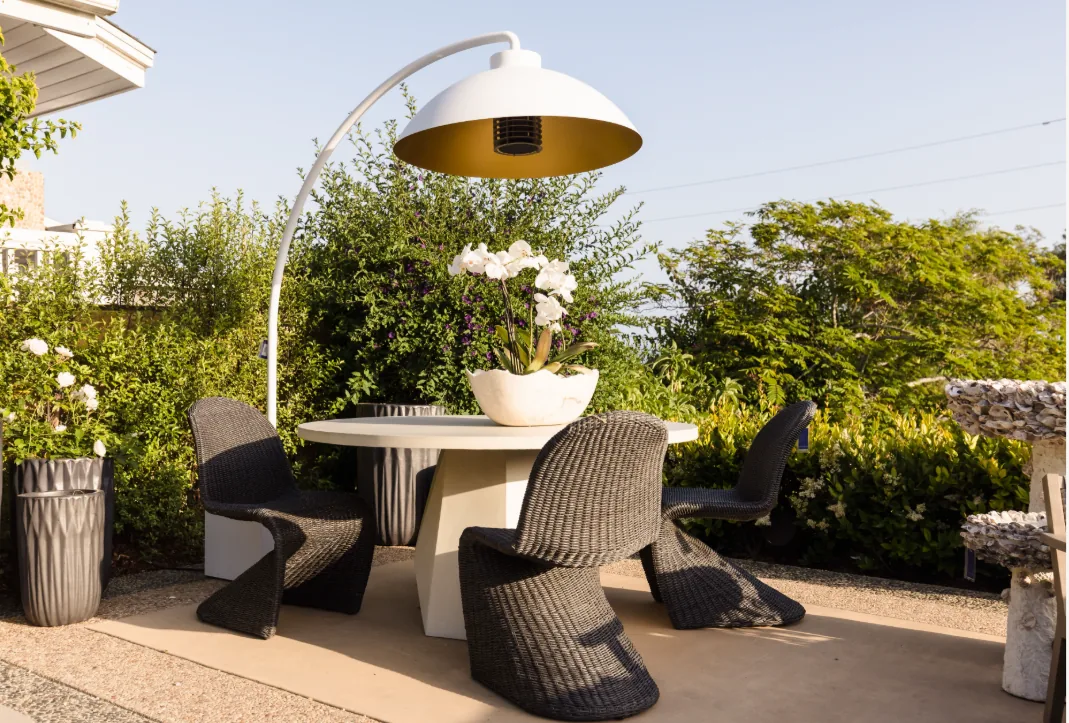
Home Crush offers outdoor furnishings, outdoor lighting, fire features, and Heatsail systems for spaces that ask for a more integrated approach. The LEAF combines shade, warmth, light, and misting in one form, which can be especially compelling when a patio has limited room for separate fixtures.
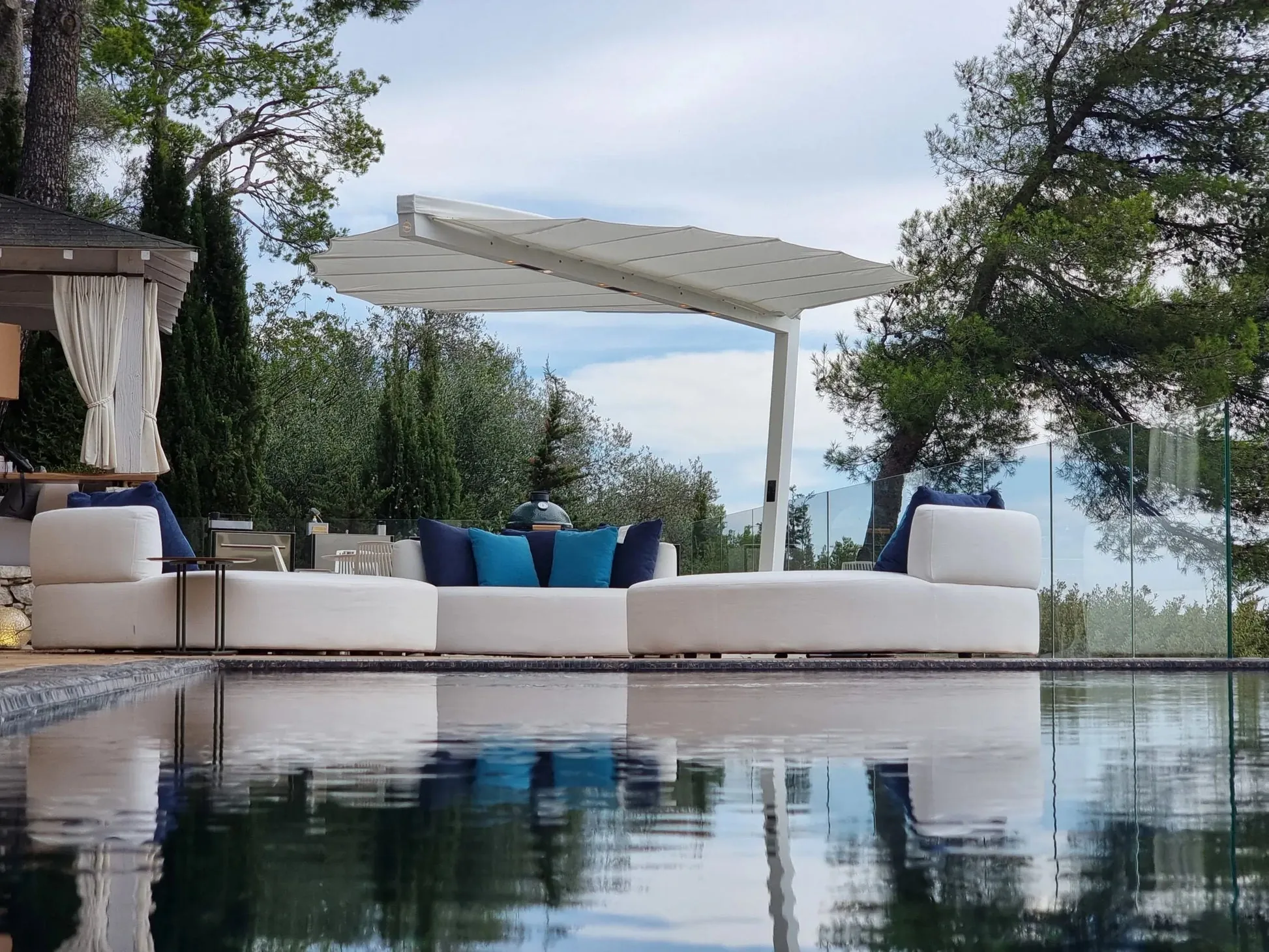
8. Finish with a shade plan you can live with
Before buying or building, answer a few direct questions. Where will people sit when the sun is highest? What happens when light comes in from the side? Does the shade solution still leave a clear path through the patio? Can it handle wind, rain, and the way you maintain the home? Is there enough open sky left for the patio to feel outdoors?
Use the answers to edit the plan. A beautiful patio does not need every possible cover, curtain, lantern, and planter. It needs a comfortable center, a thoughtful edge, and enough flexibility to suit the day. Cover the place where you gather most, keep the view where it matters, and let the rest of the patio breathe.
- For this weekend: Photograph the patio at four times of day and circle the seats that need relief first.
- Before you buy: Test the intended shade footprint with a temporary umbrella, fabric, or furniture arrangement.
- Before you build: Confirm drainage, wind exposure, attachment points, and the path around the furniture.
- After it is in place: Spend an afternoon and an evening outside, then adjust the light, planting, or side shade that makes the room feel most complete.
A well-shaded patio earns its place because it gives you more of the day. It makes a late breakfast easier, a long lunch more comfortable, and the transition into evening feel natural. Choose for the life you want to have outside, then let the structure support it quietly.
Make the patio work harder
Home Crush can help you bring shade, furnishings, lighting, and all-season comfort into one considered outdoor room. Explore the outdoor collection, or work with the design team on a plan shaped around the way you gather.
Frequently asked questions
What is the easiest way to add shade to a patio?
A freestanding umbrella is often the easiest starting point because it can be moved, angled, and tested before you commit to a permanent structure. Choose a base sized for the umbrella and wind conditions, then make sure the canopy covers the seats or table during the hours you use them.
Is a pergola better than an umbrella for patio shade?
A pergola is better when the patio needs a defined room, more durable coverage, or a place to support lighting, curtains, or a retractable canopy. An umbrella is better for a compact dining table, a rental, or a patio where the shade needs to move as the sun shifts.
Do shade sails work for patios?
Shade sails work well when there are sound attachment points and the patio benefits from a lighter, more architectural look. They need proper tension, a plan for drainage, and enough clearance to avoid rubbing against trees, walls, or furniture.
How much of a patio should be shaded?
Shade the place where people actually sit first, then leave some open sky if the patio has room. Covering the dining table or main lounge zone usually matters more than trying to shade every inch. A mix of covered and uncovered areas gives people a choice throughout the day.
Related posts
Outdoor Living
Outdoor Living Room Ideas That Feel Like Home
A designer-minded guide to planning an outdoor room with comfort, flow, shade, light, and a point of view.
Read article
Outdoor Living
Patio Lighting Ideas for Evenings Outside
A practical guide to layering patio light for dinner, conversation, safe movement, and an inviting after-dark glow.
Read article
Outdoor Living
Patio Heater Placement for a Better Outdoor Room
A practical guide to placing outdoor heat where people gather, while keeping the patio comfortable, clear, and safe.
Read article