
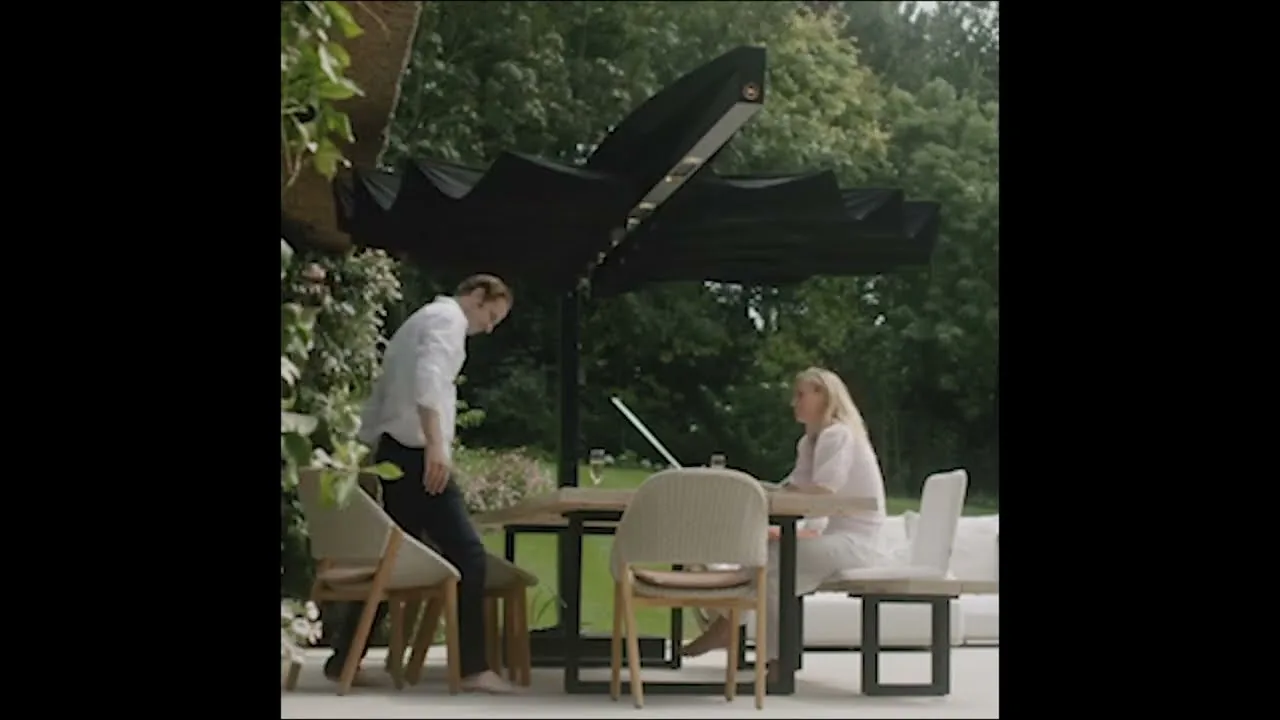
A covered patio can be the most inviting part of a home once the sun drops. The roof softens the light, gives a dinner table a sense of enclosure, and makes a lounge feel like a real room. It also changes the question of outdoor heat. A heater that works beautifully on an open terrace may have very different requirements beneath a pergola, porch roof, canopy, or overhang.
The short answer is not a casual yes or no. A covered patio can work with the right outdoor heater, but the exact model, its installation instructions, the structure, and the way the space is used must all agree. The best plan begins with the room, then checks the product requirements before anything is ordered or installed.
Start with the exact model, not a general rule
“Patio heater” describes several very different appliances. Freestanding propane units, fixed gas heaters, plug-in heaters, hardwired radiant systems, and integrated electric designs all place heat differently and have different requirements. Clearance, airflow, electrical supply, mounting, and weather exposure are specific to the manufacturer and model.
That is why a three-foot guideline, a neighbor’s setup, or an online photo is never enough to approve a location. The Heatsail manual library provides model-specific installation material, and its DOME documentation calls for a minimum clear height measured from the ground to the lowest heating element. Use those documents, and qualified local advice where needed, as the decision point.
Read the roof before choosing the heater
Look upward and outward before looking at a product. Note the lowest beam, fan, fabric, planting, wiring, and the material directly above the intended heater. Then notice how open the sides of the patio really are. A breezy pergola, a deep porch with one open edge, and a nearly enclosed sunroom may look similar in a photograph, but they do not behave the same way.
Measure the clear height at the actual proposed location, not only at the tallest point of the roof. Include the height of the table, raised deck, or step where people will sit. A useful sketch includes doors, chair pull-out room, traffic routes, and the view you want to keep clear. It turns an abstract safety question into a practical layout decision.
Keep combustion and enclosed spaces separate
Fuel-burning heaters demand particular care because combustion produces carbon monoxide. The U.S. Consumer Product Safety Commission is unequivocal that outdoor heaters must not be used indoors, and its guidance directs people to follow manufacturer instructions for approved heating equipment. A covered patio is not automatically indoors, but a roof and sidewalls can make a space behave more enclosed than it first appears.
For propane or natural gas equipment, do not improvise ventilation or assume a flame looks safe because it is outdoors. The National Fire Protection Association’s outdoor heater safety sheet also emphasizes listed equipment and keeping combustible materials away. Use the appliance manual, local requirements, and a qualified professional to settle the question for a particular structure.
Electric radiant heat changes the conversation, not the responsibility
Electric outdoor heaters do not rely on fuel burning at the appliance, which can make them a compelling direction for a design-led covered terrace. They still need the right circuit, correct mounting or placement, adequate clearance, and a system chosen for outdoor conditions. A hardwired unit is a design and installation decision, not a plug-and-play decoration.
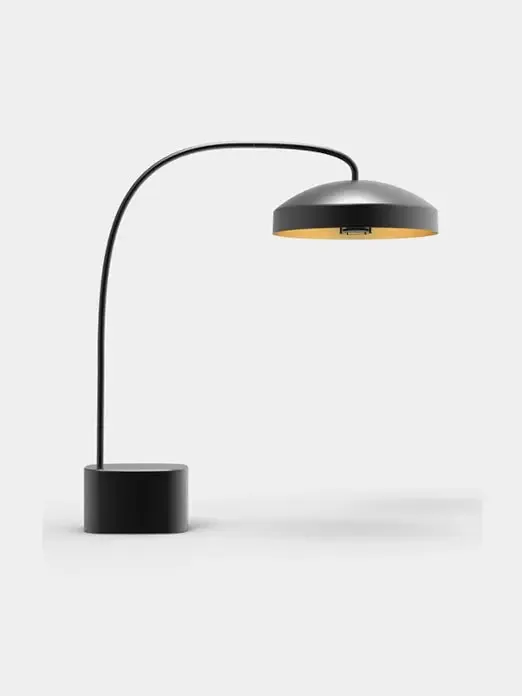
That is where form matters. A freestanding heater can suit a flexible dining area or lounge, while an overhead or integrated option can preserve floor space for a table, sofa, and easy movement. Home Crush’s outdoor patio heater guide explains the roles of freestanding, integrated, and canopy-based Heatsail options so the choice begins with the outdoor room rather than the catalog.
Plan the warm zone around people
Do not start by trying to warm the entire backyard. Start with the table where dinner runs long, the pair of chairs that catch the evening breeze, or the sofa where people gather after guests arrive. A smaller, well-planned comfort zone feels more convincing than a patio full of heaters competing with furniture and sightlines.
From there, test circulation. Can chairs slide back? Can someone carry a tray from the kitchen without squeezing past the heater? Is the route to the garden, grill, or door still natural? The patio heater placement guide walks through these checks in more detail. A position that warms the group but interrupts every movement is not a successful position.
Think beyond one cool evening
A covered patio is used across the day. It may need shade at lunch, a comfortable layer of warmth after sunset, and enough light to keep dinner relaxed rather than overlit. Adding separate devices for each job can make an outdoor room feel cluttered. It is usually more satisfying to choose a few elements that earn their space in every season.
Heatsail is useful here because the collection combines electric radiant heat with lighting, and LEAF adds shade and misting. That does not remove the need for model-specific planning, but it can reduce the visual clutter of treating warmth, light, and sun protection as unrelated problems. For a space under a pergola, the goal is not simply more heat. It is a better room.
Match the scale to the gathering
There is a common temptation to choose the strongest-looking heater and place it in the center of the patio. That can leave the people at the table uncomfortable, make the room feel crowded, and give the heater more visual authority than the architecture. Begin instead with the number of seats you want to make comfortable and the distance between them.
A small bistro table may need one clear warmth zone. A long dining table can benefit from a solution that respects the full length of the gathering rather than concentrating heat at one end. A lounge beneath a deep roof may need a different arrangement again. The better question is not “How much patio can this heater cover?” It is “Which seats should feel comfortable first?”
Wind still matters under a roof. Spend time outside at the hour you want to extend, especially if the patio opens toward the coast, a canyon, or a wide yard. Notice where the breeze enters and where a wall, planting, or change in orientation naturally gives the group relief. A protected comfort zone often feels warmer and more composed than an exposed patio overloaded with equipment.
Do not treat clearance as a styling detail
Clearance affects the plan before the furniture is finalized. A pendant, beam, sailcloth, vine, or fan can make the most attractive location unsuitable for a particular model. Likewise, a floor heater can be technically out of the way until dining chairs are pulled back or a child follows the route from the house to the garden.
Map the paths people use on an ordinary evening. Open the door fully. Pull out every dining chair. Stand at the grill. Carry an imaginary tray between the kitchen and the table. Then mark the clearance area required by the appliance documentation. If the two maps compete, adjust the room before assuming the heater can be squeezed into place.
This approach makes an outdoor space feel less engineered and more effortless. The heater supports the evening without becoming an obstacle, a visual interruption, or a last-minute compromise. It also leaves the installer a clearer brief, which is far more useful than a beautiful inspiration image with no dimensions behind it.
Bring the right information to the first conversation
Good decisions happen faster when the project has a few simple facts behind it. Take four photos from different corners of the patio, including the roofline. Measure the lowest point overhead, the width and length of the gathering area, and the distance from the house to the seating. Note whether the heater needs to move with the furniture or remain in one settled location.
It also helps to describe the feeling you want. Is this a breakfast terrace that occasionally hosts dinner, a poolside lounge used after sunset, or the table where family gathers every weekend? A useful heating plan responds to that behavior. It may favor flexibility, a clear floor, softer light, or a larger layer of comfort. The room tells you what the heater needs to do.
A simple pre-installation checklist
- Take real measurements: Record the lowest overhead point and the planned heater location.
- Identify the structure: Note roof materials, beams, fabric, fans, wiring, and how open the sides are.
- Choose the gathering area: Mark the seats that need warmth first.
- Protect circulation: Draw doors, chair pull-out space, and walking paths.
- Read the exact manual: Confirm the model’s stated clearances, electrical or fuel requirements, and installation conditions.
- Use qualified help: Bring an installer in before a fixed electrical, gas, or structural decision is made.
Make the covered patio work longer
Bring Home Crush a few photos, rough measurements, and a note about how you gather. The studio can help you compare Heatsail heaters and choose a direction that belongs in the room, from the first dinner outside to the last.
Frequently asked questions
Can I use a patio heater under a covered patio?
Sometimes, but only when the exact heater is approved for that setting and every installation requirement is met. The roof material, ceiling height, open sides, power or fuel source, clearances, and local requirements all matter. Start with the manual for the specific model rather than treating a covered patio as automatically suitable.
Are electric patio heaters safer under a roof?
Electric radiant heaters avoid combustion at the appliance, but they still need correct mounting, wiring, clear space, and the manufacturer’s stated installation conditions. An electric model is not a universal answer for every roof, pergola, or enclosed porch.
Can a propane patio heater go under a pergola?
Do not assume it can. Propane heaters need the exact manufacturer guidance for overhead clearance and ventilation, and they must never be brought into an enclosed indoor space. A pergola or covered terrace should be evaluated for the specific appliance, not by a rule of thumb.
What should I bring when choosing a heater for a covered patio?
Bring rough ceiling height, photos of the structure, a simple plan showing furniture and doors, and a note about where people gather. Those details make it much easier to choose a system that warms the useful part of the patio without compromising circulation or the view.
Related posts
Outdoor living
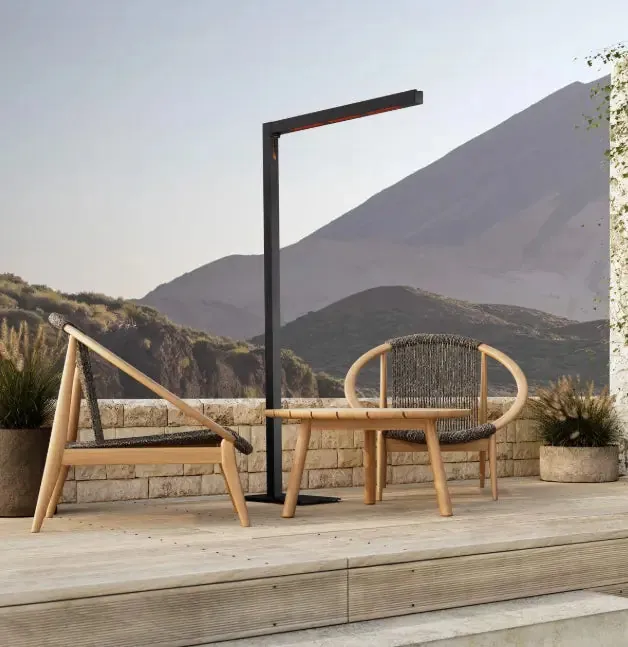
Patio Heater Placement for a Better Outdoor Room
A practical guide to placing outdoor heat where people gather, while keeping the patio comfortable, clear, and safe.
Read article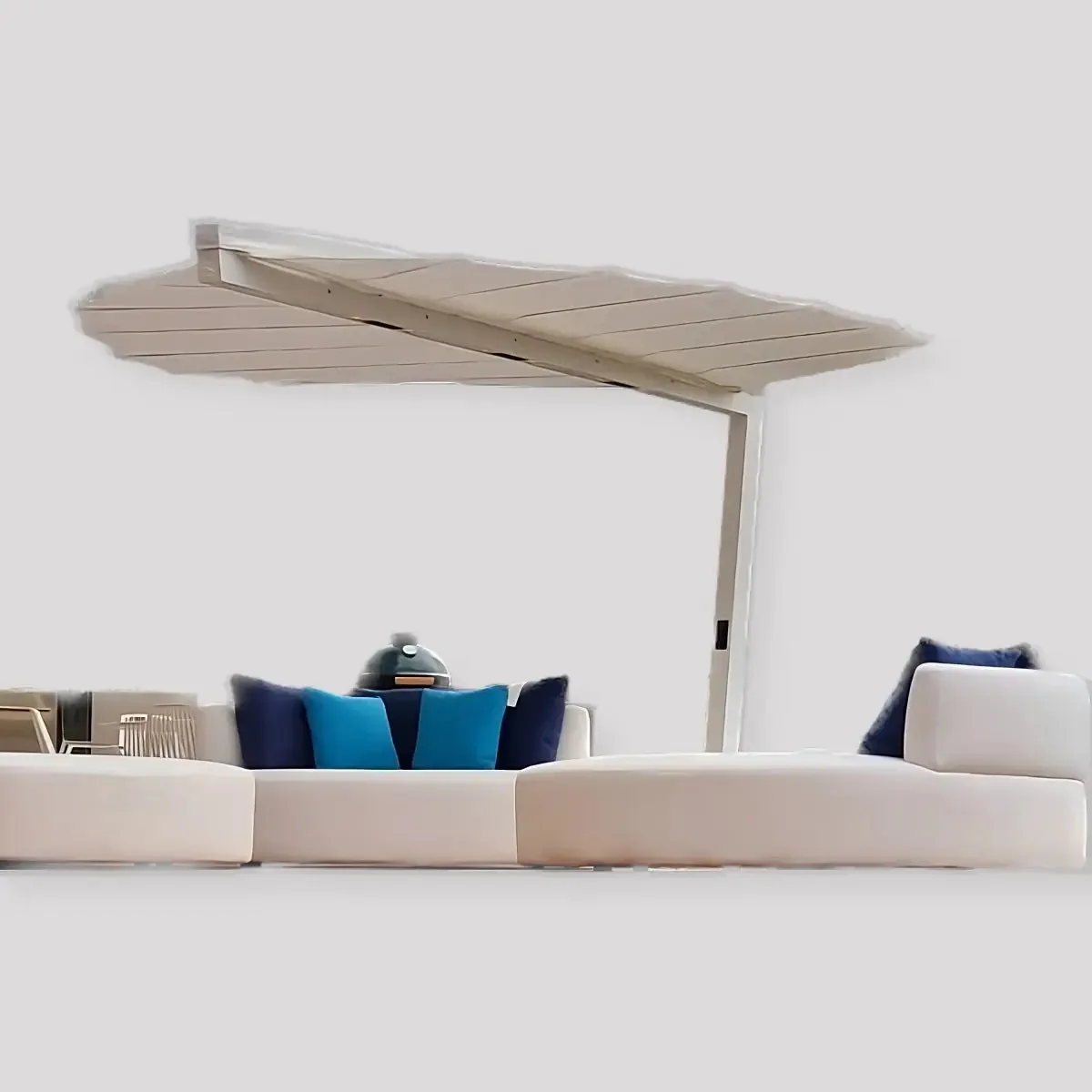
Outdoor living
Patio Shade Ideas for a Cooler, Better-Looking Space
A practical guide to choosing patio shade that suits the sun, the structure, and the way you actually spend time outside.
Read article
Outdoor living
Patio Lighting Ideas for Evenings Outside
A practical guide to layering patio light for dinner, conversation, safe movement, and an inviting after-dark glow.
Read article