
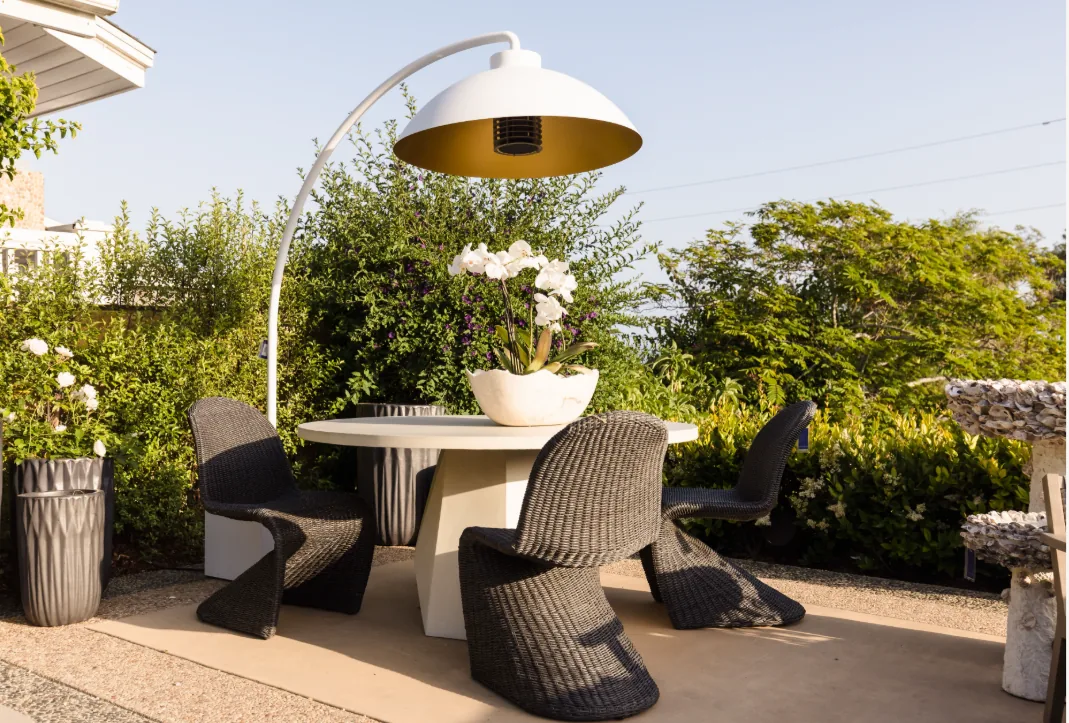
A patio is easier to enjoy when it has a point of view. That does not mean every chair needs to match or every inch needs to be styled. It means the furniture gives people an obvious place to sit, set down a drink, eat a meal, and move comfortably from the house to the garden. The best layouts feel so natural that nobody notices the planning behind them.
Start with use, not the empty outline of the patio. A space for slow morning coffee needs something different from a place for six at dinner or a lounge that carries on after sunset. Once the main job is clear, the furniture can form a small outdoor room around it. This guide walks through a practical order for arranging patio furniture, whether you are working with a tiny terrace or a generous backyard.
1. Name the patio’s main job before moving furniture
Most outdoor spaces have more than one possible use, but they need a clear primary use. Write down the one that happens most often: dining, conversation, reading, family time, poolside lounging, or a place to gather before and after a meal. This is the decision that tells you whether the largest piece should be a dining table, a sofa, a pair of chairs, or nothing more elaborate than a small bistro table.
Then note the fixed realities. Mark doors, steps, gates, grills, railings, planters, views, and the part of the patio that gets the hardest afternoon sun. A few minutes with a tape measure and painter’s tape is more helpful than buying a new piece and hoping it will somehow make sense when it arrives. Patio Productions makes a similar case for sketching a simple plan before committing to an arrangement in its patio furniture arrangement guide.
A good plan also makes the honest limits visible. If a narrow terrace only comfortably holds two chairs and a small table, it is not failing to be a dining room for eight. Let it be an excellent place for two. A smaller, resolved arrangement always feels more generous than a patio that is trying to do every job at once.
2. Protect the routes people actually use
Before you place a sofa or table, walk the path from the house to the places people use. Consider the trip from the kitchen to the outdoor table, from the gate to the seating area, and from a chair to the door. Those routes should remain obvious without someone having to turn sideways, negotiate a coffee table, or step across the edge of a rug.
Use painter’s tape or a few boxes to stand in for the footprint of the largest pieces. Open the door fully, pull out a dining chair, carry a tray, and take the route a guest would take. If the space feels tight before the furniture arrives, it will not improve once cushions, side tables, and a planter are added. Outdoor layout advice from BBQGuys likewise puts circulation ahead of decoration, which is the right instinct.
Do not confuse an open middle with good flow. A patio with all the furniture pushed against the edges may look tidy, but it can feel scattered and oddly formal. Create a clear route, then let the pieces come together into a group. The space between the group and the route is what gives both their purpose.
3. Build one comfortable conversation group
A conversation area needs three things: seats that can see one another, a surface within reach, and enough definition to feel separate from the rest of the patio. Start with a sofa facing two chairs, two chairs facing one another, or a sectional that turns toward a coffee table. The center can be a low table, a fire feature designed for that use, or an outdoor rug that gives the group a clear boundary.
Pull seats closer than instinct suggests. Outdoors, the scale of the sky, paving, and garden can make furniture look farther apart than it is. If people have to raise their voices or lean forward to speak, the group is too spread out. If there is no easy place for a glass, book, or plate, add a side table or move the coffee table closer. The arrangement should encourage someone to stay for another conversation, not send them inside looking for somewhere to put a drink.
For a larger patio, make one strong lounge rather than distributing isolated chairs around the perimeter. A pair of chaises may deserve its own quiet corner, but it should not steal the essential surfaces or circulation from the main grouping. The outdoor living room guide can help turn that first grouping into a space that feels as settled as a room indoors.

4. Give dining chairs room to do their job
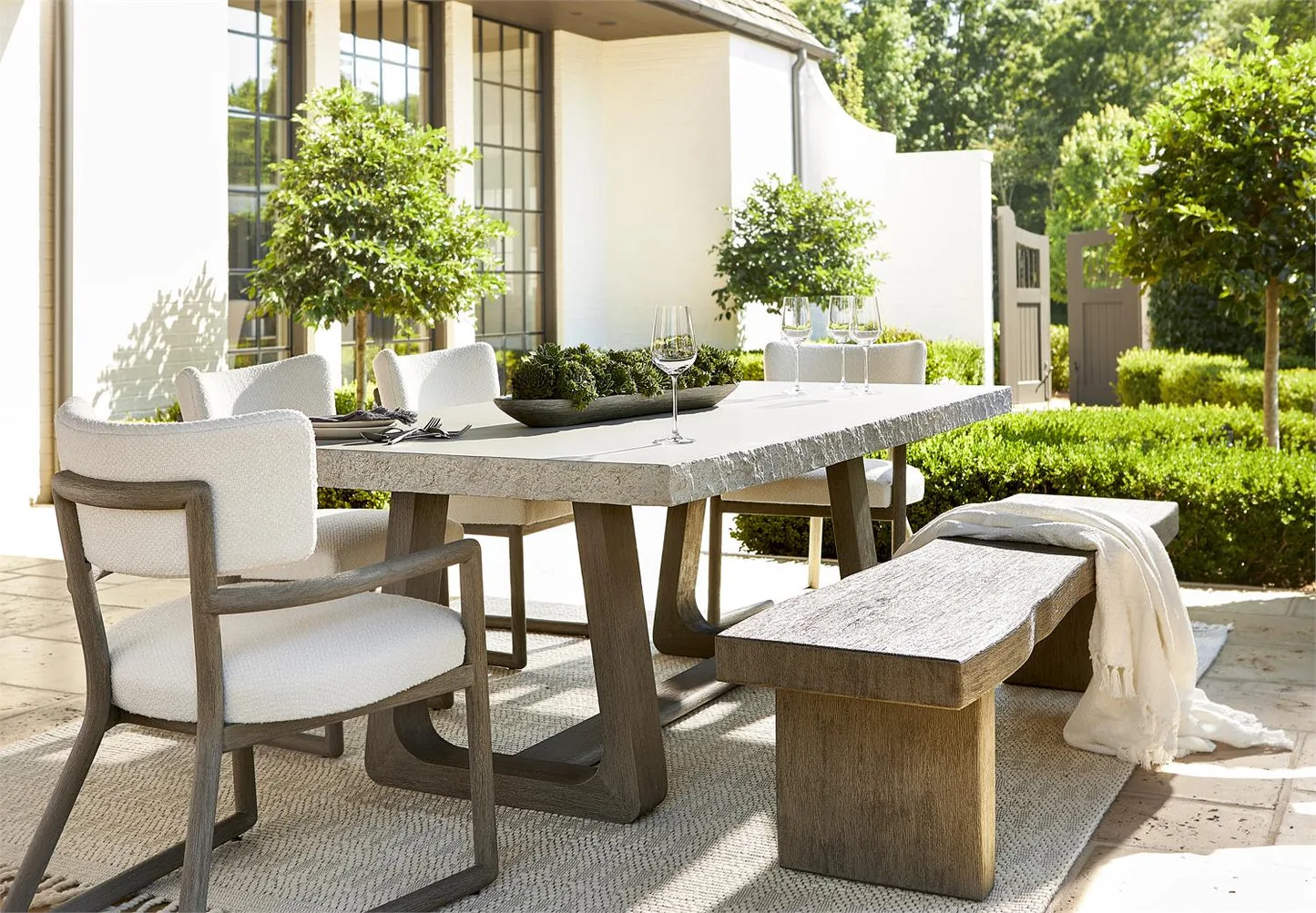
Outdoor dining needs a different kind of clearance. The table is not the full footprint. People need to pull back their chairs, stand, pass behind one another, and carry food to the table without catching an armrest on a wall or planter. Set the chairs in their pulled-out position before you decide that a table fits.
Round tables are often forgiving on compact patios because they soften corners and leave more flexible routes around the edge. A rectangular table makes sense for a long terrace or a household that regularly seats more people. Whichever shape you choose, keep the most direct path from the house clear, even when every chair is occupied. A table that technically fits but blocks the door at dinner is too large for the layout.
If you use a rug under a dining set, it must extend far enough for the chairs to remain on it when pulled back. The outdoor rug size guide explains how to test that footprint before you buy. Start there, then select the dining arrangement that gives the patio both a table and a workable path around it.
5. Separate dining and lounging when the patio has two jobs
A larger patio often wants a dining zone and a lounge zone. Let them be related, not identical. The dining group needs a table at its center and a clear service route. The lounge needs seats facing inward and enough surface for the people sitting there. A subtle gap, a change in rug, or a pair of planters can distinguish the two without building a barrier between them.
Arrange the zones according to the rhythm of the day. Put the dining area where food can arrive easily and where shade is available when it matters most. Let the lounge claim the better view, the fire feature, or the softer evening light. When a patio gets strong sun, the shade plan is part of the furniture plan, not an accessory added later. The patio shade ideas article explains how to choose cover that suits the structure and how you spend time outside.
Do not force two fully furnished rooms onto a surface that only supports one. In that case, make one area flexible: a few movable chairs, nesting tables, or a small ottoman can expand the setup for guests and disappear when the patio needs breathing room.
6. Let comfort systems shape the layout early
Shade, heat, and light determine whether a beautiful arrangement is still useful at noon or after dark. Account for them before every seat is locked in. A canopy or umbrella changes where the best chairs belong. A heater or fire feature affects safe placement, circulation, and where people naturally gather. Lighting needs to make steps and pathways legible while keeping the dining table and lounge inviting.
For an evening lounge, keep the seating oriented toward the warmth and the people, rather than presenting everyone with the back of a sofa. Choose outdoor lighting in layers so there is enough light to move safely, enough at the table to see a meal, and a softer layer for atmosphere. Home Crush’s patio lighting guide is a helpful next step when the arrangement works beautifully in daylight but goes flat after sunset.
Heat needs the same deliberate attention. Review the manufacturer’s instructions for the specific product and build the furniture layout around the required clearance, rather than trying to squeeze a heater into the only space left. The patio heater placement guide helps you think through the gathering area, open routes, and the conditions that matter before choosing a final position.
7. Finish with pieces that make the layout usable
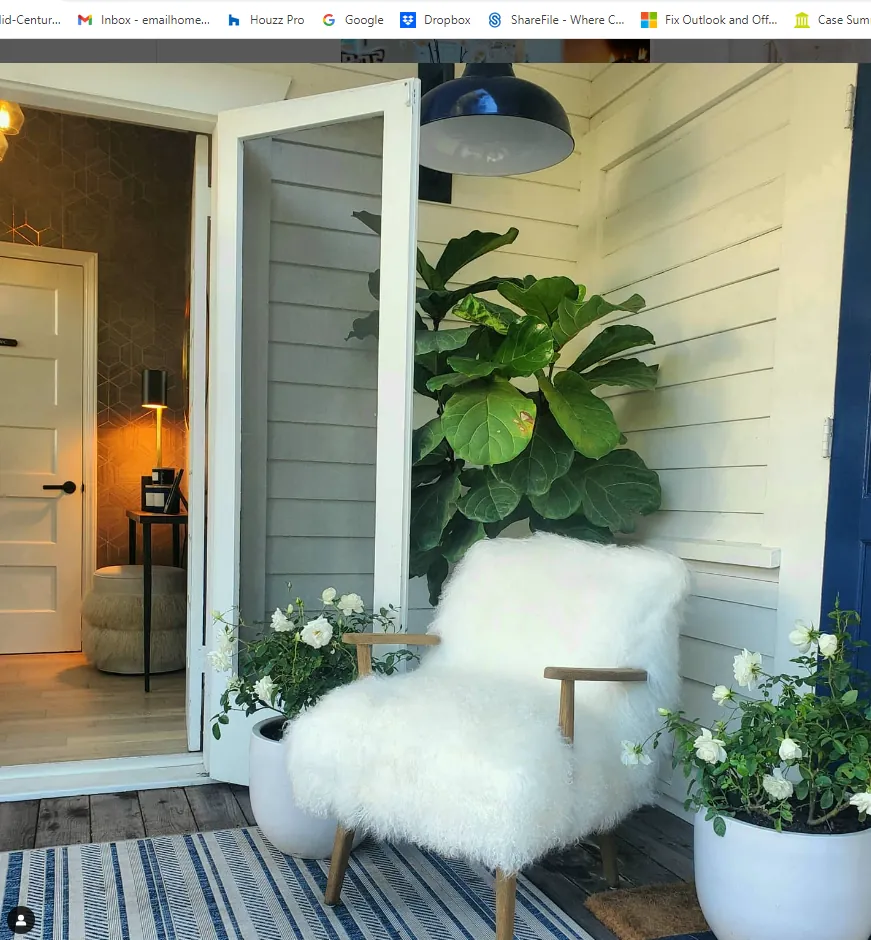
Once the major furniture is placed, add the things that make it easy to settle in. A side table beside every one or two seats is more valuable than an extra decorative object. An ottoman can become a footrest, extra seating, or a tray table. Outdoor pillows and a rug can add softness, but they should support the layout rather than conceal a weak one.
Choose those layers for the conditions they will meet. Sun, coastal air, pollen, wet swimsuits, pets, and regular entertaining all ask something of outdoor furniture. The patio furniture materials guide can help match the finish and construction to the exposure, while the outdoor furniture care guide covers the habits that keep a favorite arrangement ready to use.
Finally, test the patio at the times you expect to use it. Have coffee there in the morning, sit down at the hour the sun reaches the chairs, and invite a few people over before declaring the layout finished. The practical test is better than the perfect overhead sketch. A patio should serve the life that happens there, not just the photograph.
Find a layout that fits the way you live outside
Home Crush can help you select outdoor furniture with the scale, material, and comfort your patio needs. Visit the Santa Barbara outdoor furniture page, explore the current collection, or work with the design team on a complete outdoor room.
Frequently asked questions
Where should I start when arranging patio furniture?
Start by deciding what the space needs to do most often, then measure the usable area, doors, steps, and permanent features. Place the largest necessary piece first, such as a dining table or sofa, and build the remaining seating and surfaces around that job.
How far apart should patio chairs be?
There is no single right number because chair depth and table size vary, but facing seats should be close enough for an easy conversation and far enough to stand up without turning sideways. Test the arrangement in person, including how people reach a drink and move through the group.
Should patio furniture be pushed against the walls?
Usually not. Pushing every piece to the perimeter can create a vacant center and put conversation farther apart than it needs to be. Pull the furniture into a deliberate group, then keep the necessary routes open around it.
How do I arrange patio furniture on a small patio?
Choose one main use, keep the footprint light, and resist furnishing for an imaginary crowd. A compact dining table or two comfortable chairs can make a small patio feel more generous than a crowded sectional, oversized table, and too many accessories.
Can one patio have both a dining and lounge area?
Yes, when each area has enough room to work on its own. Give the dining chairs space to pull back, give the lounge a real grouping around a table or rug, and leave a clear connection between the two instead of making one arrangement spill into the other.
Related posts
Outdoor Living
Patio Furniture Materials: What Works Where
A practical guide to choosing patio furniture materials for the sun, salt air, maintenance, comfort, and the way you live outside.
Read article
Outdoor Living
Patio Shade Ideas for a Cooler, Better-Looking Space
A practical guide to choosing patio shade that suits the sun, the structure, and the way you actually spend time outside.
Read articleOutdoor Living
Outdoor Furniture Covers: A Practical Buying Guide
How to choose outdoor furniture covers that fit well, shed weather, allow airflow, and are easy enough to use regularly.
Read articlePhotography from Home Crush and Heatsail.