
A patio heater should make time outside feel easier, not introduce a problem that has to be managed all evening. The right starting point is not a style or an output number. It is the actual place where the heater will live: the roof above it, the seating around it, the breeze moving through it, and the path people take when they pull back a chair or carry a tray from the house.
That is why patio heater safety is part of good planning. A heater that suits the structure, keeps the gathering clear, and follows its exact instructions can support a relaxed outdoor room. A heater that is squeezed under the wrong cover or placed too close to the life of the patio asks everyone to work around it.
Start with the product instructions, not a general rule
Every heater has its own requirements. The manufacturer determines where that model may be used, what must remain clear around it, whether it needs a qualified installation, how it is maintained, and what conditions make it unsuitable. Those instructions override a rule of thumb, a photograph online, or a setup that looks similar at a neighbour's home.
Before you buy or install anything, find the manual for the exact model and make a simple sketch of the proposed location. Include the ceiling or lowest beam, walls, awnings, umbrellas, furniture, plants, doors, and the route through the patio. This turns a vague question into something you can evaluate honestly.
The U.S. Consumer Product Safety Commission is especially clear about one point: outdoor heaters do not belong indoors, where dangerous carbon monoxide can build quickly. Keep the heater in the location and type of space its maker approves, and use approved indoor heating equipment if the gathering needs to move inside.
Measure the whole clearance zone
Clearance is not only the empty air directly above a heater. It is the full protected zone the product requires above, beside, behind, and below it. That zone must stay clear of anything that could burn, scorch, soften, or be affected by heat. A canopy, fabric shade, timber beam, umbrella, planter, wall, tablecloth, cushion, and even a loosely hung string of lights can change whether a location works.
Do not borrow a number from a different heater. Clearance varies by product and installation direction, so the manual for your own model is the only number that counts. Measure from the appliance exactly as its instructions direct, then add the real-life movement that happens when chairs are pulled out or an umbrella tilts in the wind.
If the measurements are close, the space is not a compromise project. Choose a different location or a different product. A patio should still leave people room to move naturally and enjoy the view. Our patio heater placement guide can help you look at the gathering zone, circulation, and heat direction together.

Read the structure before choosing the heater
A covered patio is not one condition. A pergola with open sides, a porch with a solid roof, a screen enclosure, and a terrace under an awning can all look inviting, while creating very different requirements for clearance and ventilation. The roof height, side walls, open perimeter, nearby finishes, wiring, and air movement all need to work with the specific heater.
This is particularly important for fuel-burning equipment. Fresh air, the degree of enclosure, and the product's stated use conditions are not decorative details. They are part of the safety decision. The Technical Standards and Safety Authority guidance makes the same practical point: keep heaters outdoors, preserve their required clearances, and assess ventilation in sheltered spaces.
For a focused discussion of roofs, pergolas, and covered terraces, read our guide to patio heaters under a covered patio. It is useful preparation, but the final decision still comes back to the product instructions and the real structure at your home.
Keep the floor plan safe for people
Heat should serve the gathering, not sit in the middle of it. Begin with the seats that matter most, then check how someone walks from the house, pulls out a dining chair, reaches a side table, or passes behind a lounge. A freestanding heater needs more than its listed clearances. It needs a stable position where it will not become a trip point or an obstacle in the middle of a conversation.
Choose a firm, level surface. Keep the heater away from edges, busy routes, doors, and places where children or pets naturally play. Do not allow an umbrella, table setting, throw, or plant to drift into the required zone once the evening gets underway. The safest arrangement feels simple because people never have to negotiate around it.
Overhead or wall-mounted options can preserve floor space in the right setting, but fixed work should be evaluated and installed by an appropriately qualified professional when the product or local requirements call for it. Electric outdoor heat can offer a composed option for a carefully planned room, but it still needs the approved mounting, weather suitability, wiring, and clearances for the exact product.
Take wind and weather seriously
Outdoor rooms change with the weather. A place that feels calm at lunchtime may catch an evening breeze, and an open umbrella or loose cushion can shift into the heater's clearance zone. If the manufacturer limits use in wind, rain, or other conditions, follow that limit. A good plan does not ask the equipment to perform outside its intended conditions.
Watch the patio on an evening that resembles the one you want to improve. Notice where wind enters, which chairs cool off first, and what moves when the air changes. That observation can lead to a better furniture arrangement, a more protected dining location, or a heater style that fits the space more naturally. For the broader winter-comfort plan, see how to keep a patio warm in winter.
When severe weather approaches, use the product's shutdown, cover, and storage instructions. Do not assume that a patio roof alone provides the protection a particular product needs.
Build a five-minute check into every gathering
A careful setup does not need to turn a relaxed dinner into a production. Before guests arrive, walk the patio once with the heater's requirements in mind. Look above it, around it, and along the paths people will use. Check that the seating plan still leaves its required space open and that umbrellas, fabric, plants, and decorations have not quietly migrated closer since the last time the patio was used.
Then look at the room as a guest would. Is the door easy to open? Can someone leave the table without brushing past the heater? Is there a clear route to the house if a drink is spilled or a child needs attention? A heater should never claim the one generous passage through the patio. If the comfortable seats are not compatible with a clear route, shift the furniture or revisit the location.
For portable models, confirm the surface remains firm and level after rain, gardening, or a change in furniture. Check that the base and any specified stabilising components are in place. For fixed equipment, do not treat the hardware as invisible after installation. Keep the mounting area, electrical connection, and surrounding finishes in the condition the manufacturer expects, and arrange servicing when the product calls for it.
That small reset is useful because outdoor rooms evolve. A new potted tree, a market umbrella, a string of lights, or a different dining table can change the conditions around an existing heater. Good patio safety is not a single approval at installation. It is a habit of keeping the real room aligned with the appliance's instructions.
Know when to pause the plan
There are moments when the correct next move is to stop rather than make do. If the manual is missing, the proposed clearance does not fit, the patio is more enclosed than the product permits, the heater shows damage, or the installation calls for expertise you do not have, leave the heater off. A warm evening is not worth solving by guessing.
The same goes for a setup that relies on moving safety boundaries every time people arrive. If cushions must be dragged away, an umbrella must be folded, or chairs have to be kept in an awkward position for the heater to fit, the plan is asking too much of the gathering. A more appropriate heater, a different location, or a smaller comfort zone will usually create a result that feels better as well as safer.
For any concern about a fuel connection, odour, leak, damaged cord, unusual operation, or questionable mounting, follow the manufacturer's emergency guidance and seek qualified help. Do not repair or modify an appliance beyond the instructions. In a well-designed outdoor room, safety is not a separate technical exercise. It is what allows the room to stay calm, clear, and easy to use.
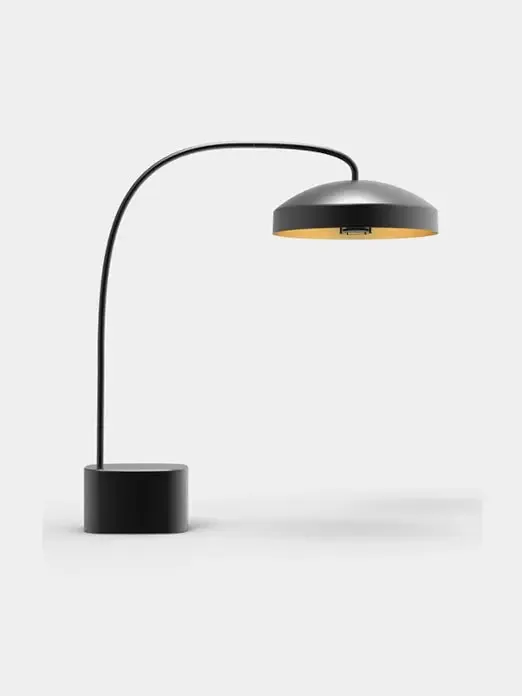
Use and maintain the heater with care
Build a short routine around the model's instructions. Before use, look for loose parts, damage, blocked openings, or anything stored too close. Keep the manual accessible. If a product uses fuel, follow its maker's specific connection, lighting, leak-check, shutdown, and storage steps. Do not improvise with parts, fuel, or repair methods that the manufacturer has not approved.
Never leave an operating patio heater unattended, and never move a portable heater while it is operating or still hot. Let it cool completely before adjusting, covering, or relocating it. If something looks damaged or does not operate as expected, stop using it until the right person has assessed it.
It is also worth checking recalls for the model you own or are considering. The CPSC maintains a current gas and LP heater recall page, which is a sensible stop before buying second-hand or returning a heater to service after a long break.
Choose comfort that fits the room
The safest patio heater plan is usually the one that is most considered. It begins with a well-defined dining or lounge zone, respects the architecture, and gives people space to move. From there, the right heat source can feel like a natural part of the outdoor room rather than a large object added at the last minute.
Home Crush can help homeowners think through warmth, light, furniture, and layout as one connected plan. The Heatsail collection offers electric radiant heat and light in forms designed for an intentional outdoor setting. Explore outdoor patio heaters, or bring a few photos and rough measurements to the design team before committing to a placement.
Plan the heater around the gathering
Start with the seats you want to support, measure the space as it is actually built, and read the exact product instructions before choosing a location. When warmth, light, and layout work together, a patio is easier to enjoy well after sunset.
Frequently asked questions
Are patio heaters safe?
A patio heater can be used safely only when its exact instructions are followed. The model, fuel or power source, clearances, ventilation, footing, weather conditions, and nearby materials all matter. If the space does not meet the product requirements, choose a different approach rather than forcing the fit.
How much clearance does a patio heater need?
There is no universal clearance measurement. The safe distance above, beside, behind, and below a heater is set by its manufacturer. Measure the real location and keep umbrellas, awnings, furniture, plants, fabrics, and other combustible materials outside those stated clearances.
Can a patio heater go under a covered patio?
Only if the exact heater is approved for that setting and the space satisfies its instructions for clearances and ventilation. A covered patio should be assessed as it is built, including its roof, beams, side walls, openings, power, and the place people will sit.
What should I check before using a portable patio heater?
Check that it is intended for the location, sitting level and stable, clear of people and combustible materials, and in good condition. For fuel-burning products, follow the manufacturer’s specified connection and leak-check procedure. Never move a heater while it is operating or hot.
Related posts
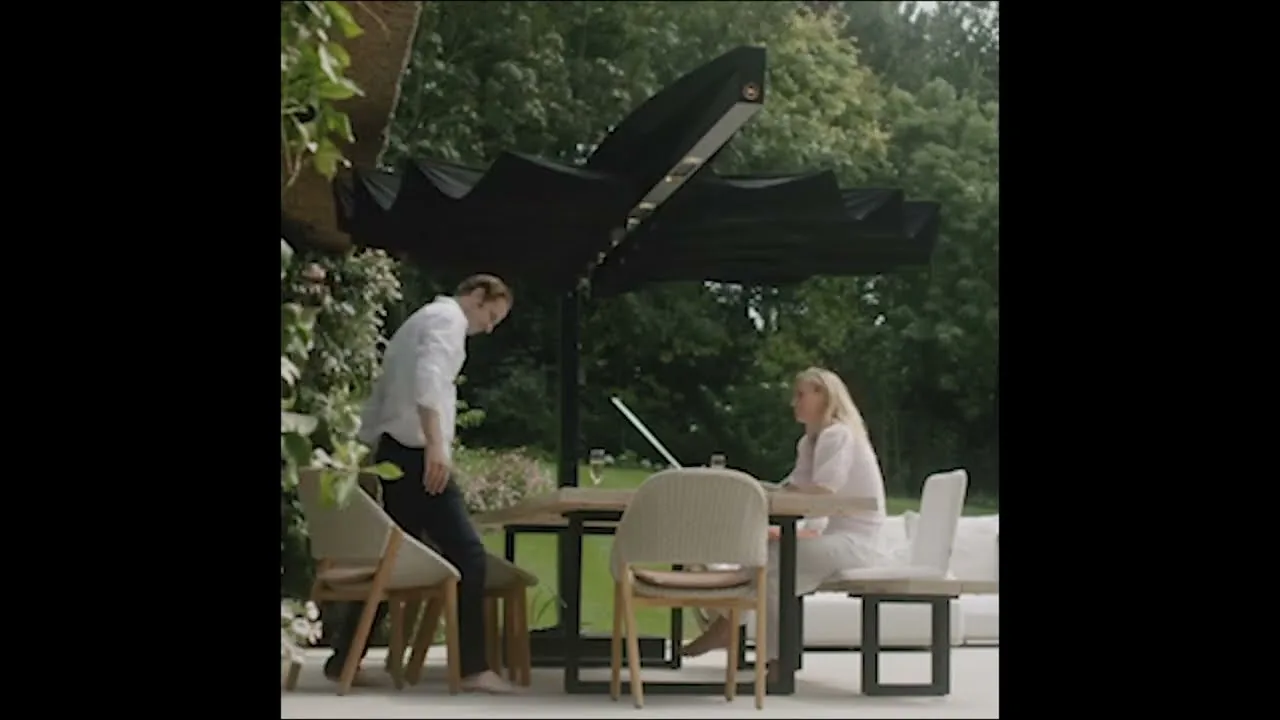
Outdoor living
Can You Use a Patio Heater Under a Covered Patio?
What to check before adding warmth beneath a pergola, porch roof, or covered terrace, from clearances to the right heater for the room.
Read article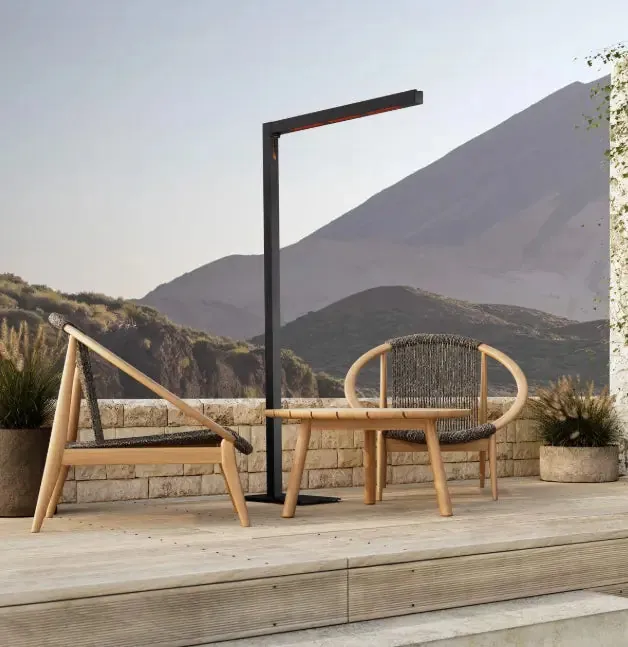
Outdoor living
Patio Heater Placement for a Better Outdoor Room
A practical guide to placing outdoor heat where people gather, while keeping the patio comfortable, clear, and safe.
Read article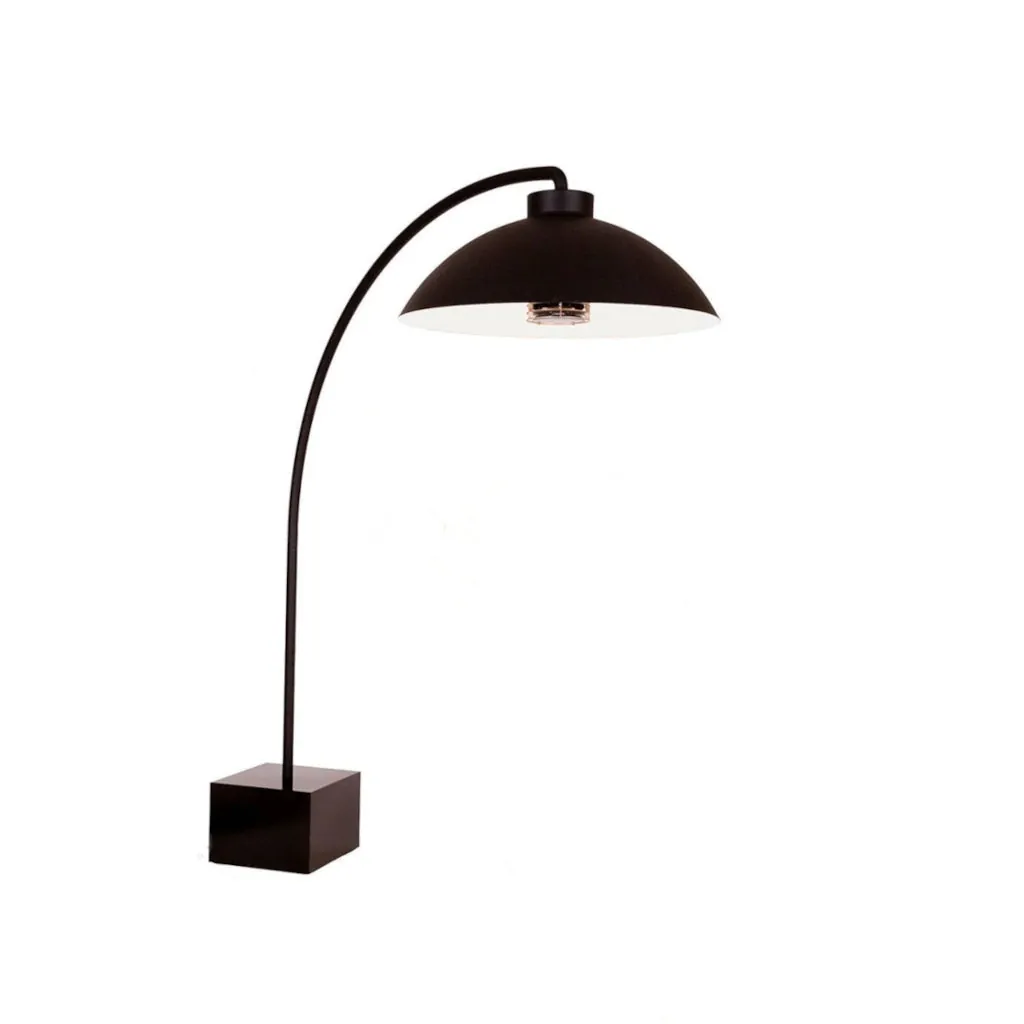
Outdoor living
How to Choose an Electric Patio Heater
A practical guide to choosing electric outdoor heat around the seats you use, the structure you have, and the evenings you want to extend.
Read article
Outdoor living
How Infrared Patio Heaters Work for Outdoor Rooms
A practical guide to infrared patio heat, from focused comfort zones and placement to choosing a form that belongs in the room.
Read article