

Usually, no. A patio heater is built around an outdoor setting, and an indoor room is a different environment with different rules. The most useful answer is not a shortcut based on a heater’s appearance, fuel, or a picture online. It comes from the exact product’s instructions and the room where you hope to use it.
That distinction matters because “indoors” can mean a living room, a sunroom, a garage, a screened porch, or a covered terrace with one side open. They may look similar at a glance, but they do not handle air, fuel, heat, clearances, or moisture in the same way. A beautiful outdoor room deserves the same care. The goal is to make the seats people choose more comfortable without forcing a product into a setting it was never meant to serve.
This guide explains the questions to settle before moving any patio heater across the threshold. It does not replace the current manual, local requirements, or advice from a qualified professional. Those sources decide what is appropriate for a particular model and location.
Start with the product’s intended location
Begin with the label, manual, and manufacturer’s current instructions for the exact heater, not a similar model or an old listing. Look for where the equipment is approved to operate, whether it is intended for outdoor, covered-outdoor, or indoor use, and what it requires around it. If the document does not clearly approve the room you have in mind, do not assume that it will work there.
This is especially important because the phrase “patio heater” covers very different equipment. A freestanding propane unit, a gas appliance, a plug-in portable electric heater, a fixed radiant system, and a piece designed for interior supplemental heat should never be treated as interchangeable. Their fuel, ventilation needs, connection type, mounting direction, and clearances can be entirely different.
It also helps to separate a product category from a safety approval. A heater may look sleek enough for an interior, run on electricity, or have appeared in a restaurant photograph. None of those details establish that it is approved for the room in front of you. Product documentation is less glamorous than an inspiration image, but it is the source that tells you where the appliance belongs and how it must be used.
The U.S. Consumer Product Safety Commission’s indoor heating guidance is clear that outdoor heaters should not be used inside a home. It also explains why the question matters: fuel-burning outdoor equipment can create dangerous carbon monoxide buildup in enclosed spaces. The right indoor answer is equipment made and approved for that indoor purpose, not a patio heater brought in from outside.

Why a garage, sunroom, or enclosed porch is not a simple exception
It is tempting to see a garage with the door raised, a sunroom with windows open, or a screened porch as “close enough” to outside. Those spaces need their own decision, not a general rule. Enclosure, ventilation, building materials, ceiling height, exits, and the exact appliance all change the conditions.
For fuel-burning equipment, a partly open door is not permission to use an outdoor heater indoors. The CPSC notes that carbon monoxide is colorless and odorless, and recommends operating fuel-burning appliances according to their instructions and applicable requirements. Its carbon monoxide safety information also makes an important point: an alarm is added protection, not a substitute for using the right appliance in the right place.
For electric equipment, the question shifts but does not disappear. An electric patio heater does not create combustion gases, yet it can still be outdoor-only equipment. The installation height, clearances, electrical connection, wet-location rating, nearby fabric or furnishings, and manufacturer directions still determine whether the room is suitable. Do not turn “electric” into “automatically indoor-safe.”
A screened porch and a covered patio deserve extra care because they sit between the simple labels of inside and outside. A roof, side screen, windbreak, or glazing can change how the space behaves. That does not make the choice impossible, it simply means the product manual and the actual structure must agree. If the situation feels like it needs a generous interpretation, choose a product or location that does not.
Separate an outdoor comfort zone from an indoor room
A patio heater is most useful when it supports an outdoor gathering. Think of a dining table after sunset, a pair of lounge chairs beside the garden, or a covered terrace that remains open to the air. In those settings, the design question is where people sit, how they move through the space, what is overhead, and what the exact heater allows.
An indoor room asks a different question: what type of indoor supplemental heat is appropriate for this enclosed space? The answer should begin with indoor-rated equipment and the home’s existing heating plan, rather than a product selected for an open-air patio. This distinction protects both people and the room itself, especially where fabrics, rugs, drapery, furniture, and close circulation are part of daily life.
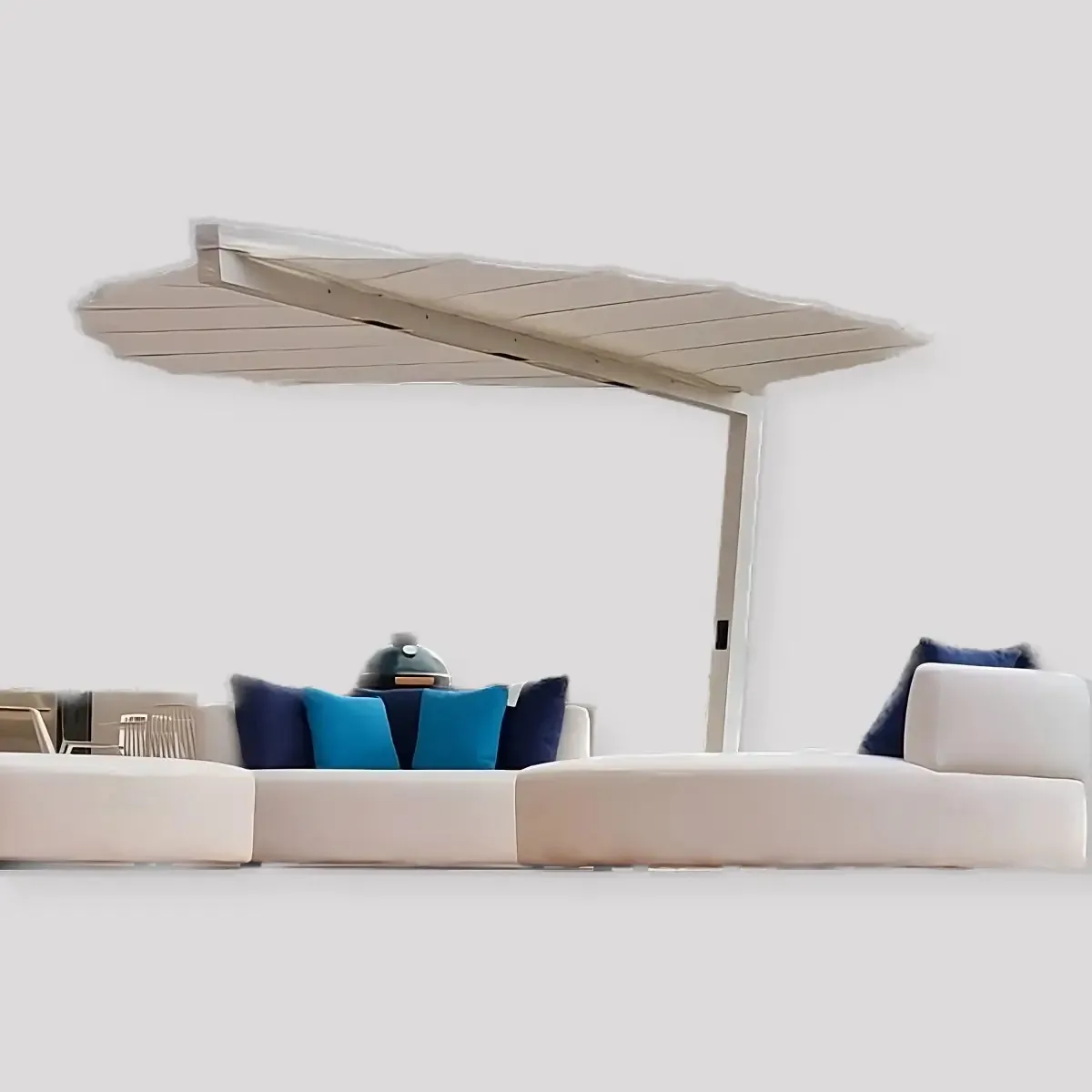
If what you really want is to keep an outdoor room enjoyable later into the evening, keep the decision outdoors. Home Crush’s patio heater placement guide helps you plan around seating, walking paths, wind, and the way the patio actually works. For a roofed terrace or pergola, start with the covered patio heater guide, then compare your structure to the exact product instructions.
Use the room as a filter, not a backdrop
Before choosing or moving a heater, read the room carefully. Where are the doors, seats, rugs, curtains, shelving, plants, and paths? How close is the ceiling? Which elements can move into the area later, such as a dining chair, a throw, a hanging planter, or a shade? The best-looking location is not useful if it conflicts with the product’s required clear space.
This is why a specific clearance number borrowed from another model is not a planning tool. The number may differ by appliance, orientation, wall material, mount, or setting. Keep the current manual beside the room measurements. If a proposed location relies on a workaround, an extension cord, a partially open door, or moving furniture every time the heater is on, it is not a settled plan.
Take photographs of the proposed location from the house looking out and from the seats looking back. Note the finished ceiling height, the material overhead, nearby doors and windows, and the furniture that will be there on a normal evening. Those simple records make a conversation with a retailer, electrician, or installer much more useful. They also expose assumptions before equipment is ordered or a surface is drilled.
The same care makes an outdoor room more appealing. A heating feature should leave the table easy to use, preserve a clear route from the house, and feel like part of the space instead of another obstacle. Our outdoor heater installation guide walks through that room-first planning process before anything is mounted or connected.

What not to use as a safety shortcut
A few common shortcuts can make a questionable plan sound reasonable. One is using a product photo as installation guidance. Photos are styled to show an idea, not every condition behind it. Another is relying on the advice for a different model because it has the same shape, wattage, or fuel. Manufacturers can set different requirements for products that appear almost identical from across the room.
Do not use a carbon monoxide alarm as a reason to operate outdoor fuel-burning equipment in a room it was not designed to heat. The CPSC describes alarms as an additional layer of protection, not a replacement for proper appliance use. Likewise, a cracked window, raised garage door, or ceiling fan is not a substitute for a product approval. A space should pass the product’s stated requirements before any comfort or styling decision is made.
Finally, do not solve an electrical mismatch with a power strip, extension cord, or improvised connection. The appropriate connection depends on the model and its instructions. A qualified electrician can assess a fixed or higher-powered installation before the room is finished, which is far easier than trying to disguise an unsuitable power path afterward.
Choose outdoor heat for the outdoor room you actually use
When the aim is outdoor comfort, start with the seats you hope to improve rather than trying to warm an entire yard. A compact dinner setting, a lounge under a pergola, and a larger terrace have different needs. Wind, openness, ceiling height, power access, and the way people move through the setting matter as much as the footprint on a plan.
That is where an outdoor system can make sense. Home Crush’s Heatsail collection is designed around outdoor comfort, with systems that can bring radiant warmth and light into a considered exterior setting. The appropriate model and placement still depend on the product information and the specific site. A home with a covered terrace needs a different conversation from an open poolside lounge or a freestanding patio.
If you are comparing an electric outdoor option, use the electric patio heater guide to frame the questions around seats, structure, power, and the evening routine. It is a better starting point than choosing from a photograph because it keeps the important conditions in view before the final product decision.
A short decision checklist
Before using any heater, pause for a simple but meaningful check:
- Identify the exact model and read its current instructions.
- Confirm whether the product is approved for the location you have in mind.
- Measure the proposed location, including ceiling, wall, side, and moving-object clearances.
- Check the connection, mounting, surface, and weather conditions the product requires.
- Keep the room’s circulation, fabrics, furnishings, and exits in view.
- Ask a qualified professional when the plan includes fixed electrical work, fuel connections, structural mounting, or any uncertainty.
For outdoor installations, add one more check: does the heater make the gathering better without disrupting the outdoor room? A comfortable evening is the result of a plan that respects the product, the structure, and the people using the space.
It is also worth planning for the ordinary moments, not just the first evening. Where will the control live? What happens when a guest pulls out a dining chair? Is a planter, umbrella, or throw likely to drift into the required clear area? How will the equipment be inspected or cared for? Those questions turn an attractive idea into a setting that feels calm and dependable every time you use it.
When the answer is uncertain, waiting is the sensible choice. A little more information now is cheaper and safer than correcting a product, connection, or layout after the room is complete.
Plan the outdoor room, not just the heater
Home Crush can help you consider warmth alongside furniture, light, shade, circulation, and the mood of a terrace after dark. Explore outdoor patio heaters or work with the design team on an outdoor setting that feels natural to use.
Frequently asked questions
Can a propane patio heater be used indoors?
No. A propane patio heater intended for outdoor use does not become suitable for a house, garage, enclosed porch, or other enclosed space because a door is open. Use only heating equipment specifically approved and instructed for the indoor room you are heating.
Can an electric patio heater be used indoors?
Do not decide from the power source alone. Some electric equipment may be approved for indoor use, but the exact product instructions, installation requirements, clearances, electrical connection, and the room itself determine whether it is appropriate. Outdoor-only equipment stays outdoors unless its manufacturer explicitly says otherwise.
Can I use a patio heater in a garage with the door open?
A garage is not a casual substitute for an outdoor room. Fuel-burning equipment can create a dangerous carbon monoxide risk in enclosed or partly enclosed spaces. Use heating equipment specifically approved for that environment and follow its instructions exactly.
What should I check before using any heater?
Start with the exact model’s current manual and rating information. Confirm its approved location, required clearances, mounting or footing, electrical or fuel requirements, and the materials around it. If any part of the setting is unclear, stop and ask a qualified professional before using the equipment.
Related posts

Outdoor living
Can You Use a Patio Heater Under a Covered Patio?
Can patio heaters be used under a roof, tent, or pergola? Check the model’s clearance, ventilation, and installation requirements before choosing outdoor heat.
Read article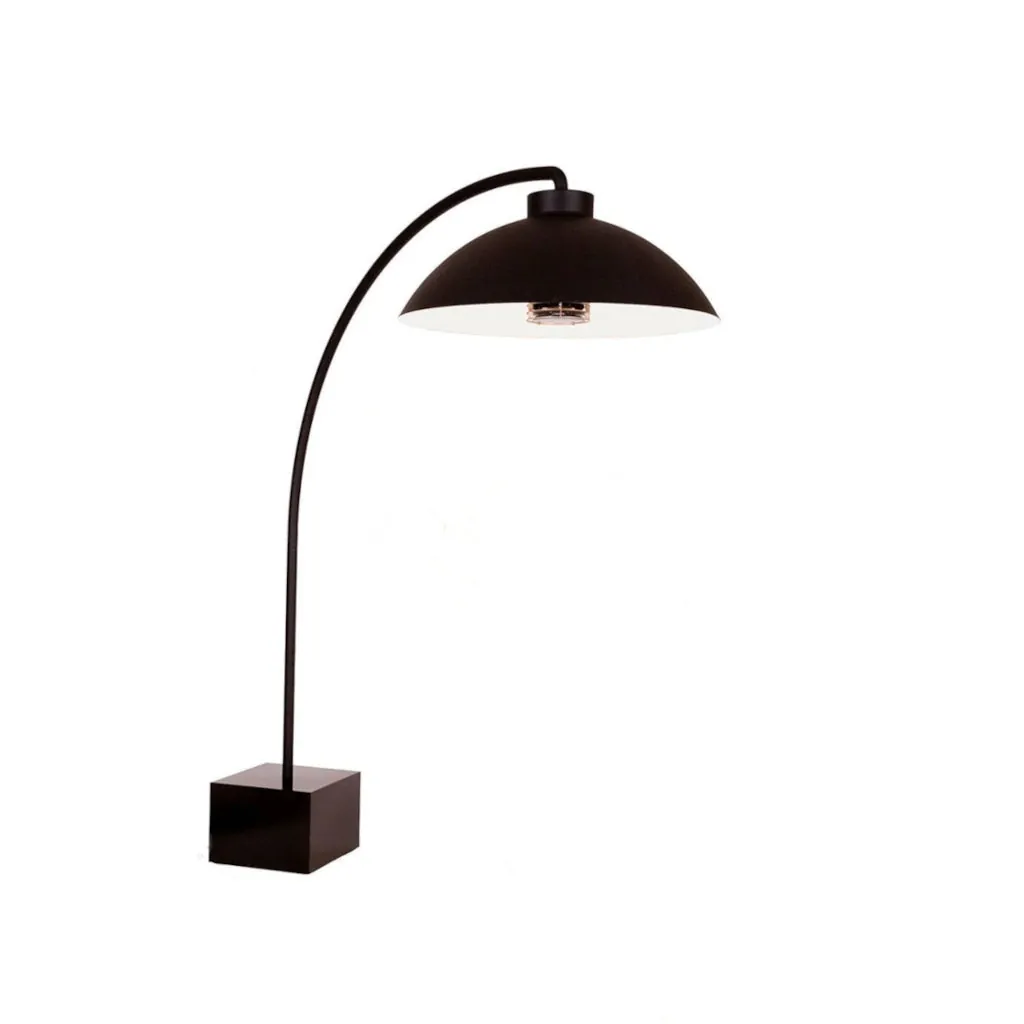
Outdoor living
How to Choose an Electric Patio Heater
A practical guide to choosing electric outdoor heat around the seats you use, the structure you have, and the evenings you want to extend.
Read article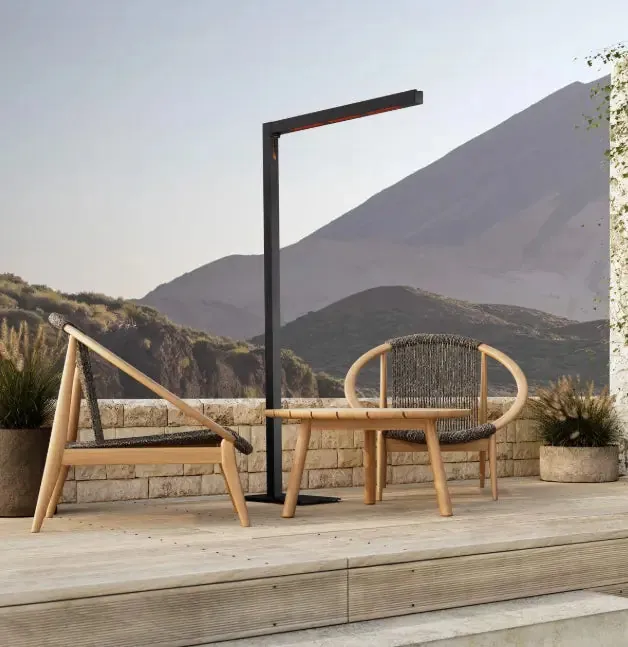
Outdoor living
Patio Heater Placement for a Better Outdoor Room
A practical guide to placing outdoor heat where people gather, while keeping the patio comfortable, clear, and safe.
Read articleOutdoor living
Patio Heater Safety: A Practical Planning Guide
A practical patio-heater safety guide for checking the structure, clearances, footing, circulation, weather, and the exact instructions that apply to your model.
Read articlePhotography from Home Crush and Heatsail.