
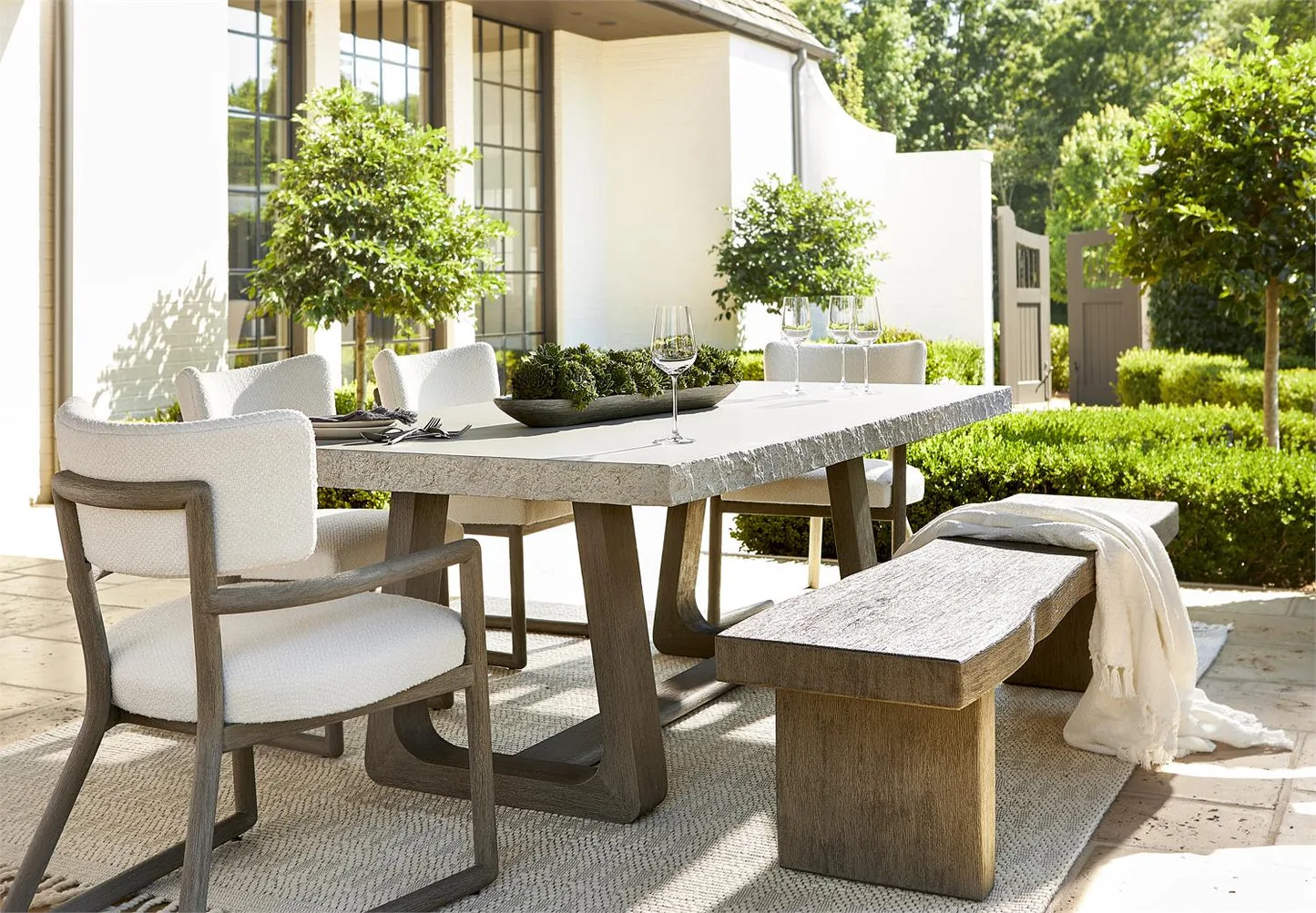
A patio table works hard. It holds coffee in the morning, a bowl of lemons in the afternoon, plates when friends arrive, and the bits of a long evening once the light begins to change. That is exactly why it deserves a little attention. The best patio table decor does not turn a useful surface into a display case. It makes the table feel like it belongs to the outdoor room, then leaves enough space for the life that happens around it.
Start with use, not accessories. A table for dinner needs clear sightlines and room for serving. A low lounge table can carry more texture, but still needs a place to set down a drink. A bistro table needs restraint most of all. Once the job is clear, the styling becomes simple: one focal point, one useful layer, and a generous amount of open surface. Here is how to make that formula feel personal rather than prescribed.
1. Let the table’s job lead the styling
Before buying a runner, vase, or lantern, decide how the table is used on an ordinary week. Is it mostly for coffee, lunch, family dinner, a place for guests to gather, or simply a surface beside a lounge chair? A dining table wants an arrangement that can move aside easily. A coffee table can hold a tray, a book, and a small planting moment. A side table is usually strongest with one useful light or a compact planter, not a miniature still life.
This small bit of honesty keeps the decor from becoming an obstacle. A beautiful centerpiece that needs to be removed every time someone sets down a plate is asking too much. Put the visual weight where it helps the table feel intentional, then protect the part of the surface that needs to work. If the patio itself still needs a clearer plan, our patio furniture layout guide can help you establish the right zones first.
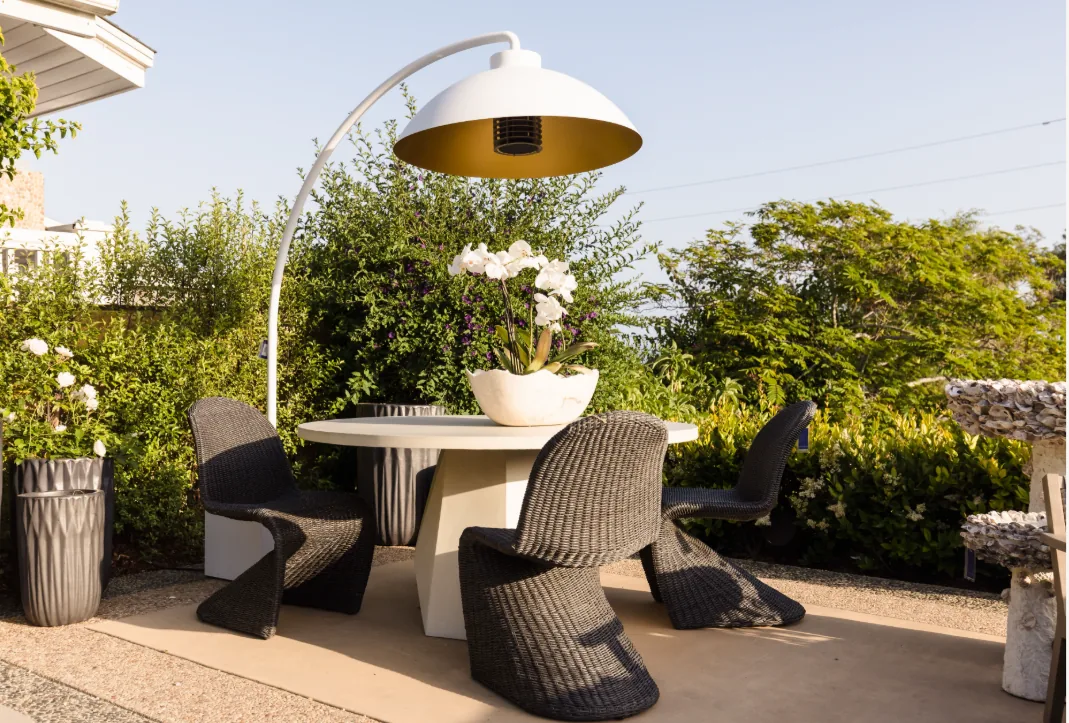
2. Use one low focal point, not a crowded center
A patio table usually needs one clear center of gravity. On a round table, that might be a low bowl with seasonal fruit, a sturdy pot of herbs, or a lantern with a broad base. On a long rectangular table, a narrow tray or a loose line of two or three small vessels can work better than one oversized arrangement. Keep the height low enough that people can see one another across the table without looking around the decor.
Weight matters outdoors. A very light vase, a tall stem, or a small object balanced near an edge may look fine in a photo and become annoying the first time the breeze picks up. Choose pieces with a low center of gravity, tuck smaller objects into a tray, and let the architecture, planting, and furniture do some of the visual work. The table does not have to carry the entire atmosphere of the patio by itself.
For a small bistro table, even one object can be enough. A ceramic planter, a small bowl, or a lantern gives the table a point of view. Adding a runner, two candleholders, a stack of books, and a collection of small objects often makes the same table feel less inviting because there is nowhere left to set down a glass.
Before committing to a centerpiece, sit in each chair for a moment. Notice where hands naturally reach, where a serving platter would land, and whether the arrangement interrupts the view through the garden. This is a more useful test than standing back and admiring the table from the doorway. A setting that looks a little quieter from a distance often feels much more generous once people are seated around it.
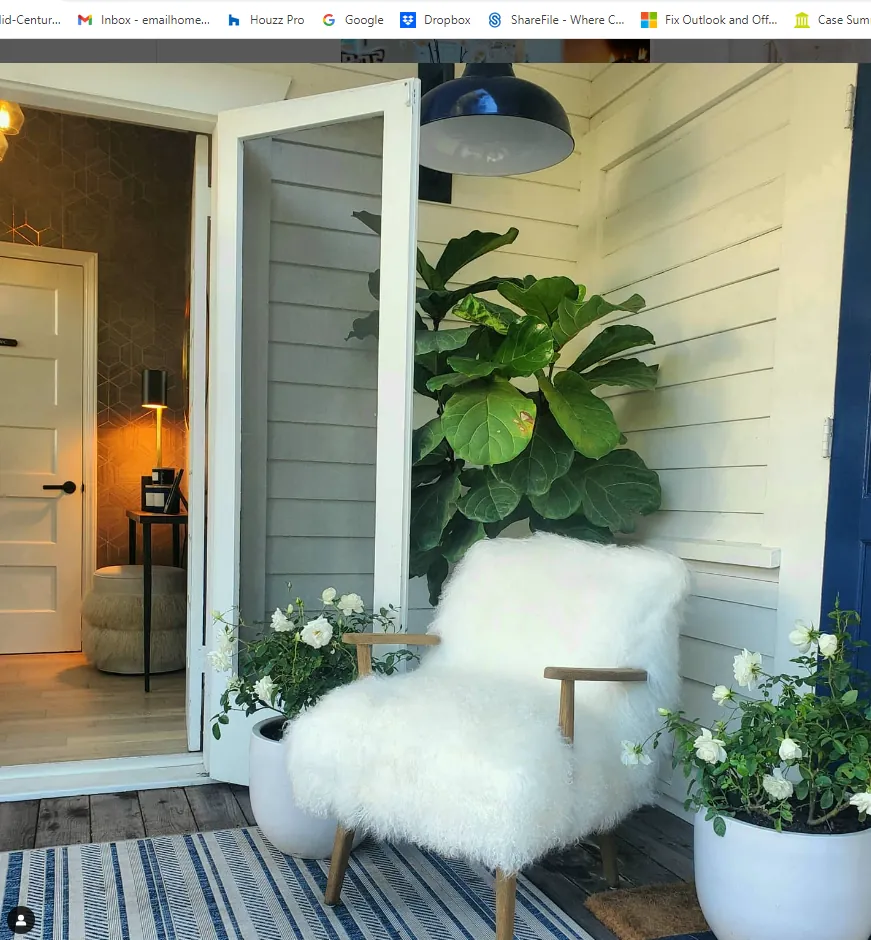
3. Repeat one material from the larger outdoor room
The quickest way to make a table setting feel connected is to borrow one cue from its surroundings. If the chairs have warm wood frames, bring in a wood tray or woven placemats. If the patio has black metal furniture, repeat that note in a lantern or small planter. If the house is washed in soft stucco and stone, a chalky ceramic bowl or linen napkin can keep the tabletop in the same quiet family.
Repeating one thing is enough. A patio can feel flat when every item matches perfectly, and chaotic when every item has its own color story. Keep the foundation calm, then allow one more expressive note: a striped napkin, colored glassware, an unusual ceramic piece, or a cutting from the garden. That contrast reads as collected and relaxed rather than themed.
Outdoor textiles are a useful way to add softness, but they work best when they are easy to remove. A runner can define a long table for a dinner, while individual woven placemats make an everyday setting feel finished without covering the whole surface. When weather is coming, bring fabrics inside rather than asking them to become permanent outdoor fixtures.
Look at the tabletop from the house as well. If the table is visible through a door or large window, the material relationship is especially important. A stone patio may want the warmth of wood, linen, or woven fiber. A wood deck may benefit from a ceramic or metal accent with a little contrast. The aim is not to match every finish, but to make the outside feel like a continuation of the rooms you already enjoy.
4. Make useful things part of the arrangement
The most successful patio table decor earns its footprint. Coasters can be stacked inside a small bowl. A tray can hold oil, salt, or a carafe at dinner and gather the loose layer when it is time to clear the table. A compact planter can soften a hard surface while adding a little scent. A durable set of glasses can introduce color without becoming something that only comes out for a photograph.
Try a simple three-part test before adding something: does it make the table more comfortable to use, easier to reset, or more connected to the patio? If the answer is no, it may still be beautiful, but it probably belongs somewhere else. This approach is especially helpful in Santa Barbara, where the outdoor room often gets used often enough that a complicated setup becomes a burden quickly.
That does not mean every object needs a practical label. A low branch, a small bowl of citrus, or a favorite found object can simply make the table feel cared for. The point is balance. Let one or two beautiful things be beautiful, and let the rest of the surface remain available to the people using it.
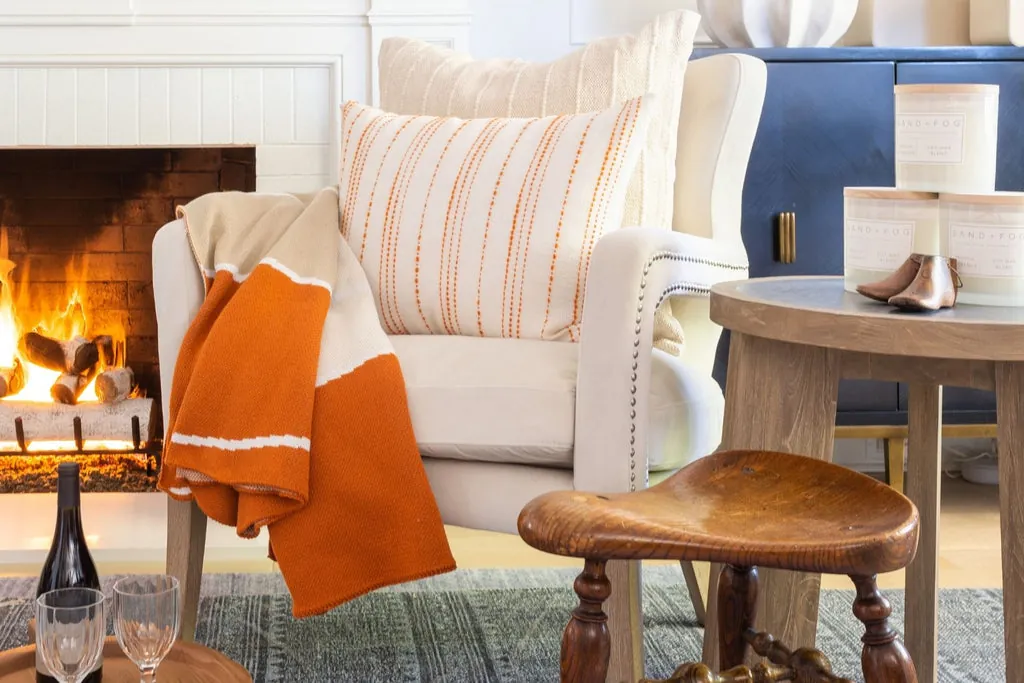
5. Style for daylight, then add a gentle after-dark layer
In daylight, texture does much of the work. The grain of a table, a woven placemat, a ceramic vessel, or the shape of a planted herb gives the setting dimension without needing lots of color. At night, the table needs a different kind of help. Start with the light around the seating area, then add one soft tabletop glow rather than filling the middle with bright fixtures.
A low, stable lantern or a portable light made for the conditions can make dinner feel warmer without blocking conversation. Follow its care instructions, keep flames and cords clear of textiles and traffic, and choose the right product for the location. The U.S. Consumer Product Safety Commission’s outdoor-lighting guidance is a helpful reminder to use outdoor-rated lighting where it belongs.
Think in layers rather than one dramatic source. A wall fixture, soft garden light, or overhead glow can do the broad work. The tabletop layer should only make the setting feel more human: enough light to see a drink, a shared plate, and the person across from you. For a broader plan, our patio lighting ideas guide walks through light for paths, seating, and dinner.

6. Change the table by occasion, not by buying a new collection
A patio table should be allowed to change. A weekday breakfast may need only a small planter and two mugs. A casual lunch might add placemats and a bowl of fruit. Dinner can bring a runner, linen napkins, a serving tray, and a modest light source. The underlying palette can remain steady while the useful layer changes with the occasion.
This is more generous than keeping the table permanently dressed. It lets a simple outdoor room feel ready for company without requiring a storage closet full of themed accessories. Keep a small kit of pieces you genuinely enjoy using, such as a tray, a few cloth napkins, a lantern, and a favorite vessel. Everything else can be borrowed from the house, picked from the garden, or left out entirely.
Seasonal shifts can be subtle. In warmer months, fruit, herbs, and pale linen may be enough. In cooler evenings, a deeper-colored napkin, a warm drink, and a little extra light can change the feeling without changing the furniture. Let the table acknowledge the season without becoming a stage set.
When guests are coming, set the functional layer first and the decorative layer last. Put out the plates, serving pieces, water, and chairs, then add the small details around what remains. That order prevents a beautiful arrangement from being dismantled by the practical things every table still needs. It also makes cleanup easier because the few decorative pieces can be gathered in one calm motion.
7. Leave a reset path for real life
The final test of good patio table decor is how it behaves after the guests leave. Can the objects be gathered into a tray? Can the linens go inside without a hunt for hangers or baskets? Can a planter stay put when the weather changes? If the answer is yes, the table will be easier to enjoy again tomorrow.
Give the loose layer a nearby home. A small basket, a cabinet, or a storage bench can hold placemats, napkins, and lanterns once they are cool and dry. Keep weather-sensitive pieces out of long damp stretches, and do not use storage as a place to hide a tangled collection of things you do not enjoy. Our outdoor furniture storage guide has practical ideas for keeping an outdoor room orderly without making it feel like a utility zone.
A beautiful patio table is not one that stays perfectly untouched. It is one that makes an ordinary meal, a quiet coffee, or a spontaneous glass of wine feel a little more considered. Give it a purpose, one focal point, a few useful layers, and room to be lived with. The rest is just a reason to linger.
Choose the pieces that make gathering feel easy
Home Crush can help you choose outdoor furniture, decorative objects, and outdoor lighting that work together without overworking the room. Explore the current selection, or work with the design team on an outdoor space that feels ready every day.
Frequently asked questions
What should I put in the center of a patio table?
Choose one low, sturdy focal point that suits the table’s job. A shallow bowl, a small planter, or a lantern on a tray is usually enough. Leave the rest of the surface available for drinks, plates, a book, or the easy movements of a real gathering.
How do I decorate a small patio table?
Edit more tightly than you think. A small bistro table often needs only one object, such as a compact planter or a lantern, plus coasters when the table is in use. Keeping the center low and the edge clear makes a small table feel considered rather than crowded.
What decor can stay on an outdoor table?
Use objects that suit the exposure and are easy to reset: a heavy planter, a weather-ready tray, or a durable lantern made for the conditions. Bring in textiles, delicate vessels, and special dinner pieces when you are ready to use them, then give them a dry home afterward.
How can I make an outdoor table look inviting at night?
Start with the light around the table, then add one modest glow at tabletop level. A low outdoor-rated lantern, properly used according to its instructions, gives the setting warmth without filling the table or shining directly into anyone’s eyes.
Related posts
Outdoor Living
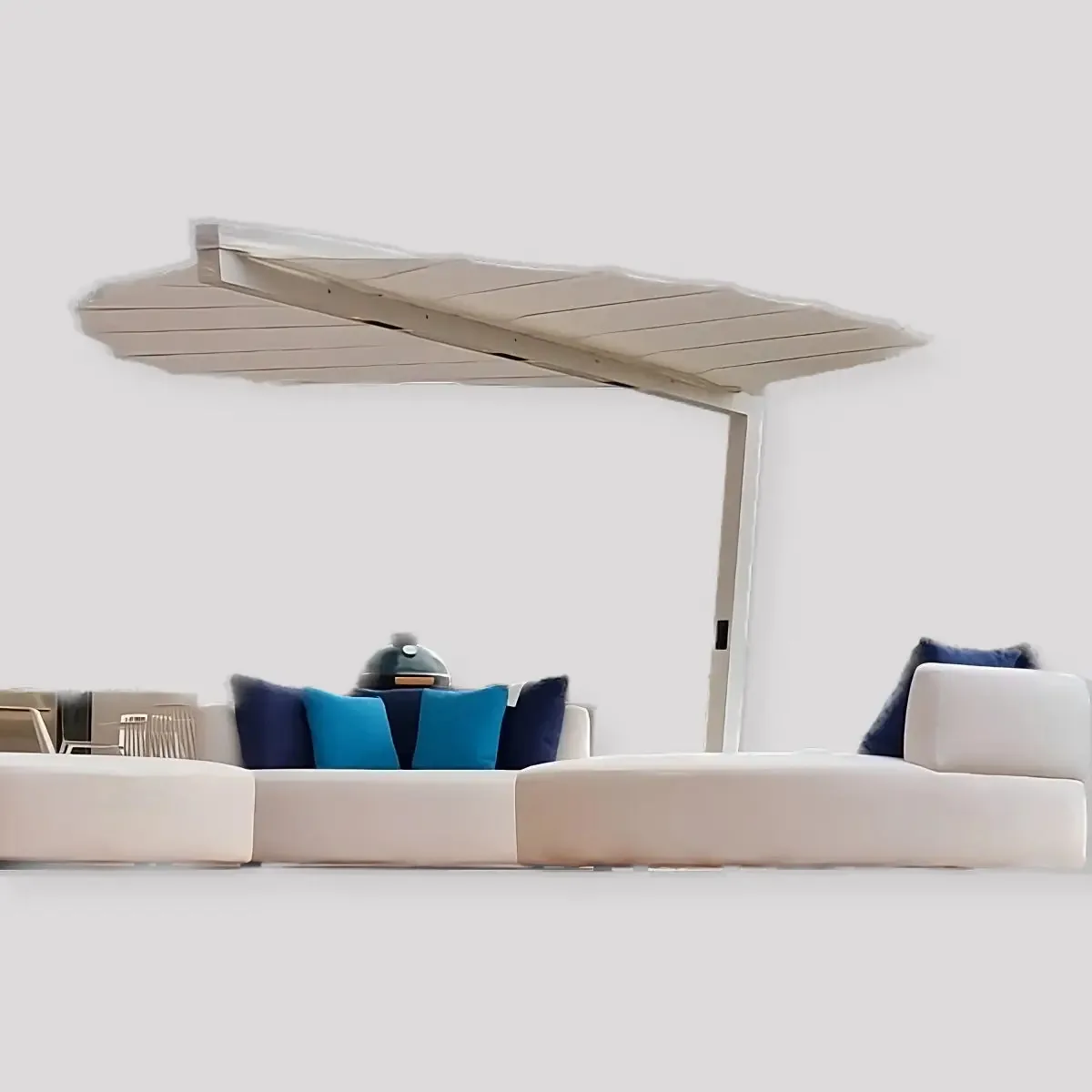
Patio Shade Ideas for a Cooler, Better-Looking Space
A practical guide to choosing patio shade that suits the sun, the structure, and the way you actually spend time outside.
Read article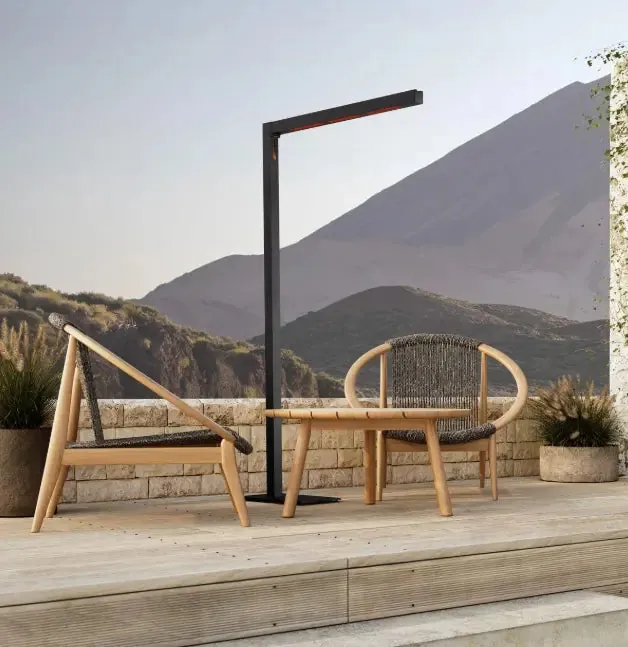
Outdoor Living
Patio Heater Placement for a Better Outdoor Room
A practical guide to placing outdoor heat where people gather, while keeping the patio comfortable, clear, and safe.
Read article
Outdoor Living
Outdoor Furniture Storage Ideas for a Calm Patio
A practical guide to storing cushions, covers, and outdoor essentials without making a well-designed patio feel crowded.
Read articlePhotography from Home Crush and Heatsail.