
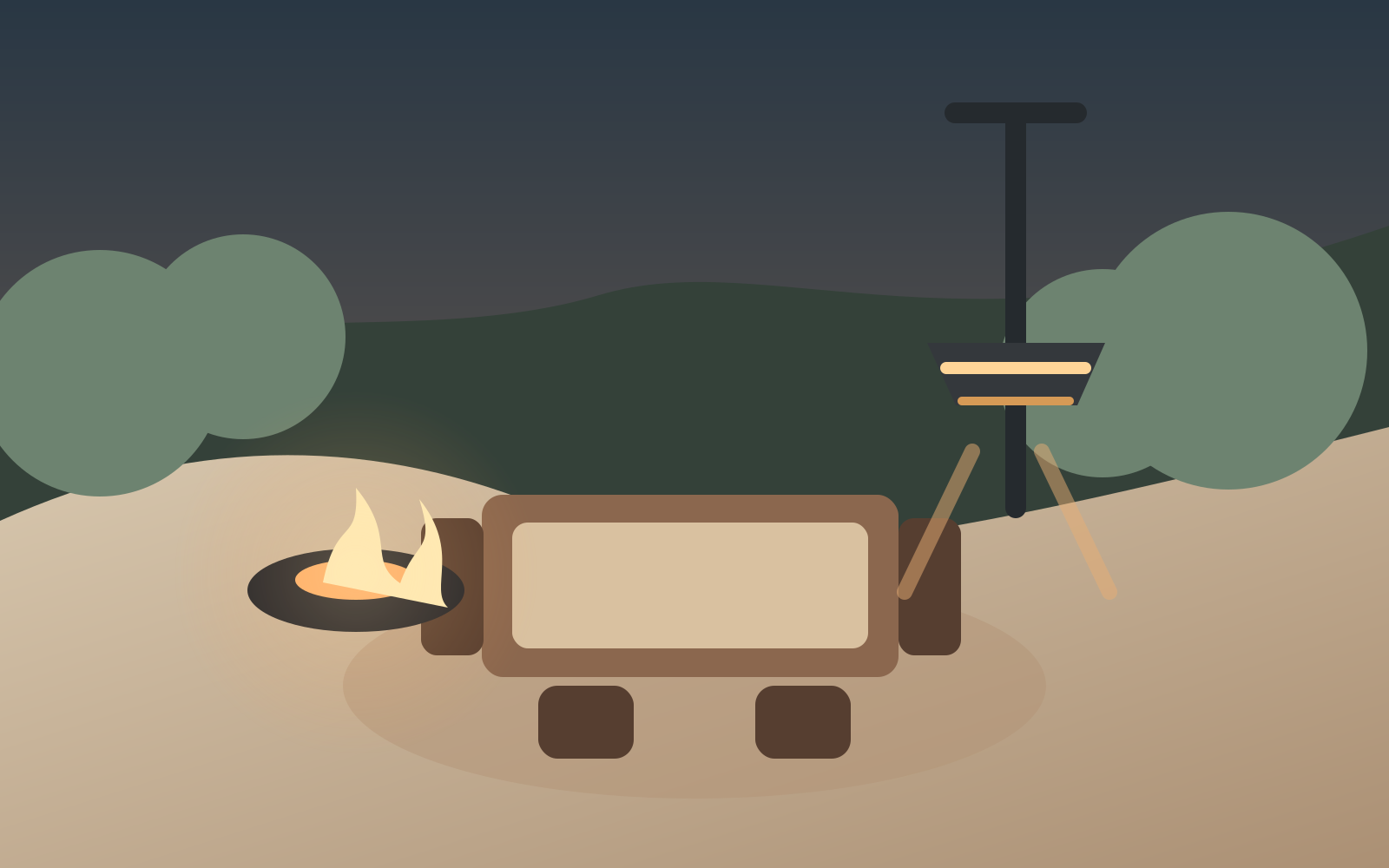
A patio heater and a fire pit can both make an evening outside feel more generous, but they do not do the same job. One is usually chosen for focused comfort where people sit. The other often becomes the social center of the patio, with warmth, light, and a ritual that invites people to stay. Choosing between them gets easier when the decision starts with the gathering rather than the product.
Picture an ordinary evening, not the largest party you could host. Where does someone set down a drink? Which chairs fill first? Does the family eat at a table, settle into a lounge, or move between both? Is the patio open to a coastal breeze, beneath a pergola, or close to doors and planting? Those answers reveal whether you need a dependable comfort zone, an atmospheric focal point, or a more layered plan.
This guide compares a patio heater and a fire pit in the ways that change everyday use: warmth, atmosphere, seating, safety, maintenance, and the decisions that must happen before either becomes part of the room.
Start with the job you want the patio to do
There is no universal winner because a patio heater and a fire pit create different kinds of usefulness. A heater is often the better starting point when the primary job is making a dining table or a defined lounge comfortable after the temperature drops. It can support conversation, dinner, and the small routines that make an outdoor room earn its place during the week.
A fire pit often works best when the gathering itself is the point. It gives people a place to face, gathers a smaller group naturally, and adds an unmistakable sense of occasion. It may be right for a lounge where friends stay for one more drink, a terrace with a generous center, or a backyard where the evening begins after dinner rather than around the table.
That difference is important. A dining table does not always benefit from a fire feature in the middle of it, and a fireside lounge does not always need a heater placed as if it were a restaurant terrace. Begin by naming the moment you want to improve. Then choose the form that supports that moment without asking the rest of the room to make compromises.
How the warmth feels in real use
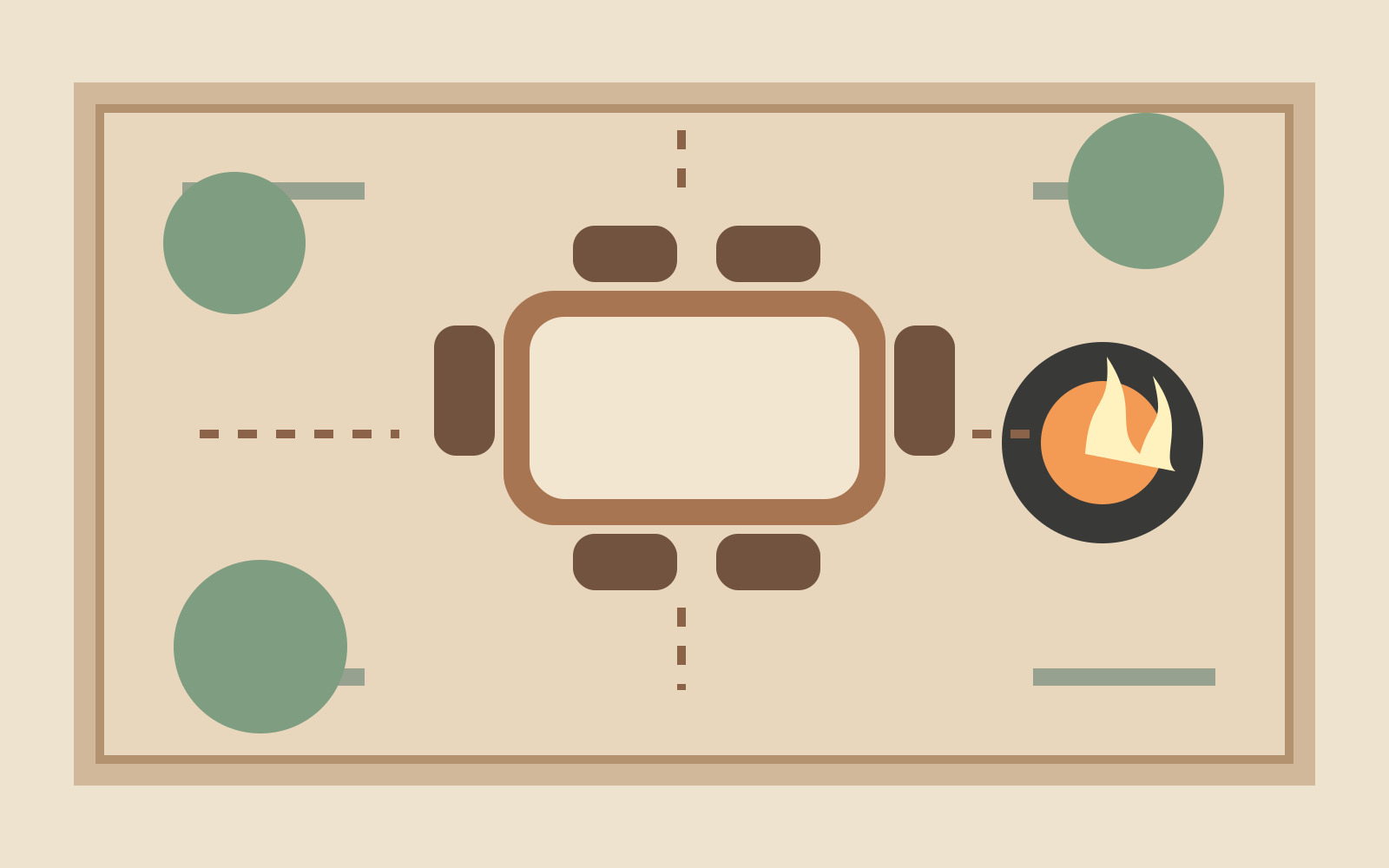
People do not experience outdoor warmth as a number on a specification sheet. They feel it where they sit, how the air moves, and whether the arrangement lets them relax. A heater is generally most useful when its output and placement are planned around a defined comfort zone. That may be the six chairs around a table, the end of a sectional, or two lounge chairs that face the garden. The goal is not to heat an entire yard. It is to improve the seats that people use first.
A fire pit feels more communal and more localized. Those closest to it will experience the warmth most directly, while people farther away may enjoy the glow more than the heat. That can be exactly right for a conversation area. It can be less satisfying when one person faces the flame and another sits behind it, or when a long dining table needs each place setting to feel equally comfortable.
Wind changes both options. An exposed deck or open garden can carry warmth away quickly. Before deciding, spend an evening in the spot you want to improve. Notice where the breeze arrives, which seats become chilly first, and whether people naturally move toward a wall, doorway, or protected corner. Our patio heater size guide explains why planning around a real seating zone is more useful than trying to cover every square foot.
When the primary need is consistent comfort over a dining table or lounge, a well-planned heater often has the clearer job. When the primary need is a shared focal point and a slower, more informal gathering, a fire pit may be the stronger emotional choice.
A fire pit changes the center of the room
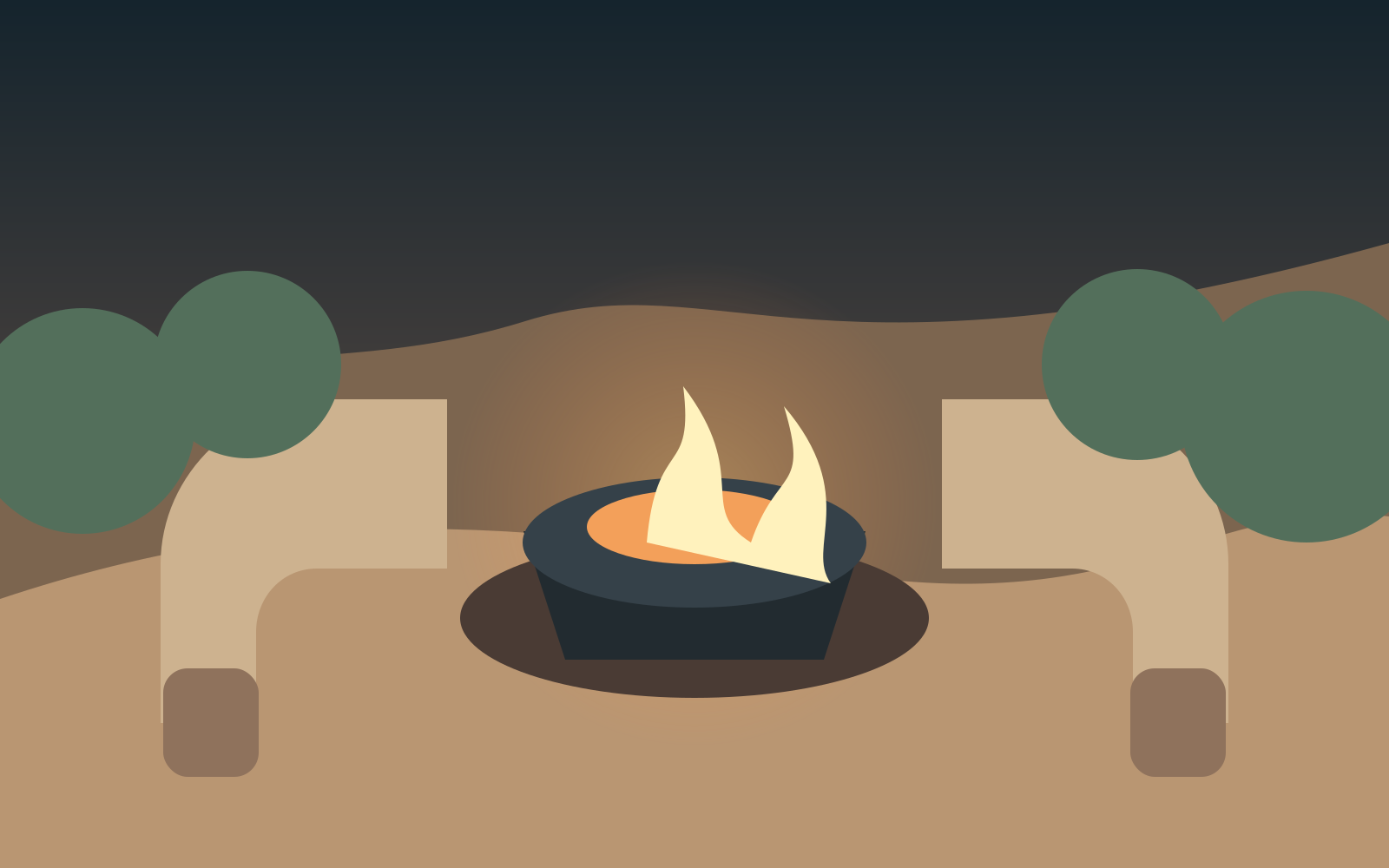
A fire feature brings more than warmth. It creates a visual anchor, a place for chairs to face, and a pace that is different from dinner at a table. It can make a large patio feel more intimate, especially when the furniture already supports a circle or a soft U-shape. It also adds a source of light that feels warm and alive, though it should not be treated as the only lighting plan for paths, steps, or serving.
That character can be wonderful when the fire pit has enough room around it. It becomes less graceful when it is squeezed between a sofa and a circulation path, forced under a low cover, or treated as a decorative object that has no relationship to the rest of the layout. The fire feature needs a setting that acknowledges its flame, its heat, its fuel, and the way people move around it.
The U.S. Consumer Product Safety Commission’s fire-pit guidance is a useful reminder that fire brings real responsibilities. It advises against gasoline and other liquid fuels, recommends keeping water or an extinguisher nearby, and calls for attention to wind and wildfire risk. Local restrictions can also matter, particularly during dry or high-wind periods. Check the rules that apply to your location before treating a fire feature as a simple decorating decision.
A patio heater protects the furniture plan
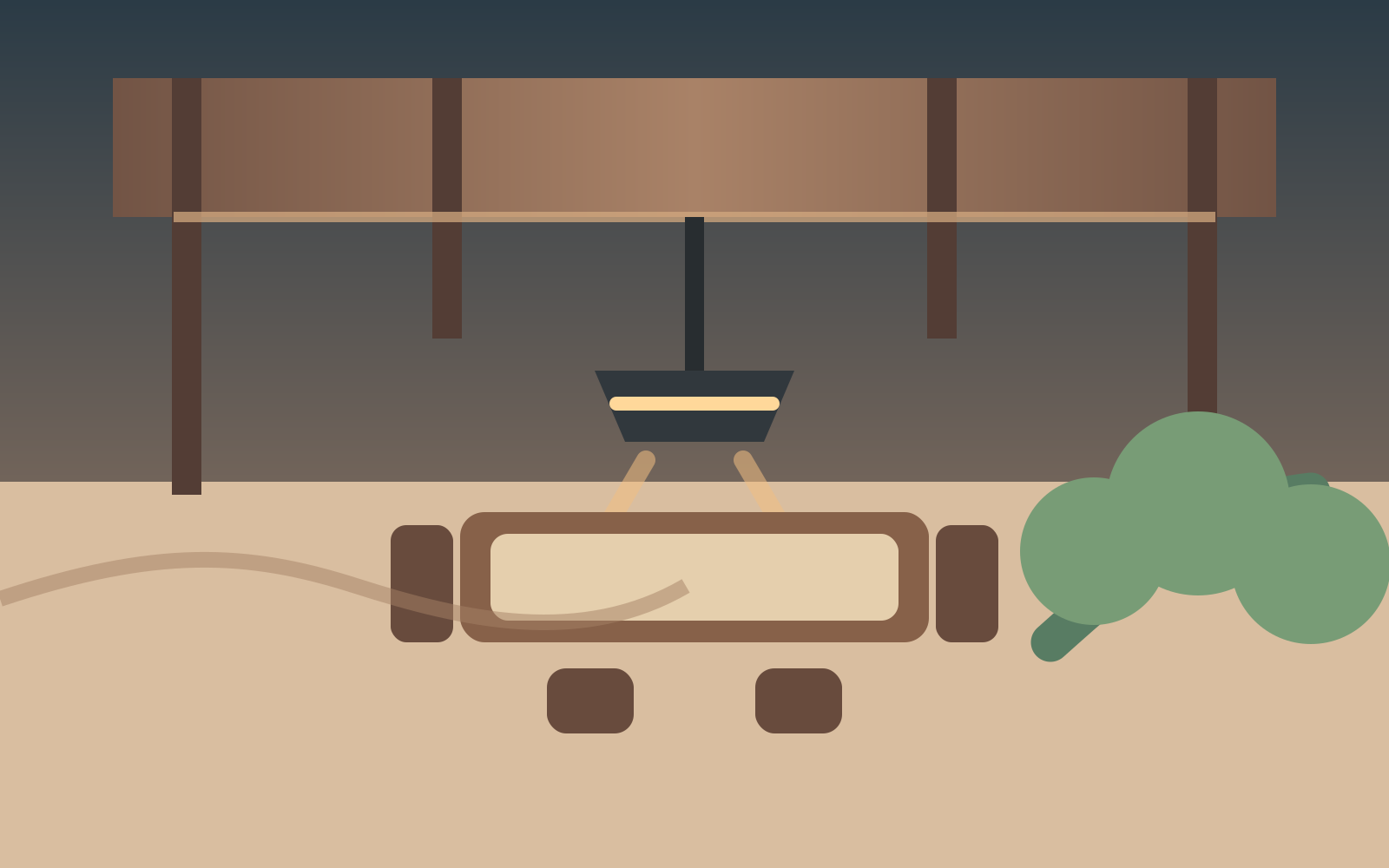
A heater can be more discreet in the composition of an outdoor room. Depending on the form and the setting, it can support warmth without claiming the middle of a lounge or dining area. That makes it particularly useful when the patio already has a clear focal point, such as a view, a garden, a dining table, or a sculptural piece of furniture that deserves visual space.
The benefit is not that a heater disappears. A good one should still feel considered. The benefit is that the heat can be integrated into the way the room already works. A floor-standing piece needs a stable home outside the natural traffic lane. A fixed or overhead form needs a structure and electrical plan that genuinely support it. Every heater has its own use, mounting, weather, and clearance requirements, so its manual is always more important than a photograph of someone else’s patio.
For a dining area, start with the chairs pulled out and the path someone takes when carrying a platter from the house. For a lounge, start with the seats that people choose, not the empty floor around them. Our patio heater placement guide walks through that room-in-motion exercise. A heater that helps people linger without becoming something they have to navigate around is doing its job.
Electric radiant heat can also be a thoughtful fit when the room calls for warmth and light without an open flame. Home Crush’s Heatsail collection brings those two elements together in outdoor forms meant to be part of an intentional setting. The exact model, product guidance, installation, and site conditions still decide whether it is right for a particular patio.
Compare the layout demands before you fall for either look
Both choices need room, but they ask for it in different ways. A fire pit generally needs a generous clear zone around it, seating placed with care, and a path that lets people approach and leave without stepping through the heart of the gathering. It is often strongest in a lounge that can form a conversation circle and weak in a narrow passage, tight balcony, or compact dining terrace.
A heater may use less central floor space, but it still needs its own clearance and circulation plan. A freestanding heater can become an obstacle if it is placed where chairs pull back or guests pass behind the table. An overhead heater can preserve the floor, but only when the roof, beams, wiring, mounting position, and exact product instructions support the installation. A wall-mounted approach may be useful on a solid edge, but it needs the same honest attention to seating, weather, and clearance.
- Choose a fire pit first when the patio has room for a genuine lounge center and the gathering is built around the flame.
- Choose a heater first when a dining or lounge zone needs focused comfort without changing the furniture plan.
- Pause either plan when it crowds a door, path, chair pull-out, umbrella, or required clearance zone.
- Consider both carefully only when each has a distinct job and the space remains calm, clear, and easy to use.
A small patio is not automatically a heater patio, and a large patio is not automatically a fire-pit patio. The deciding factor is whether the layout can give the feature a real home. If the only way to fit it is to move furniture every time, the room is telling you something useful.
Safety is a design decision, not an afterthought
The visual appeal of a flame can make it easy to forget that a fire pit is still an open heat source. Its fuel type, surface, nearby materials, local rules, weather, supervision, and manufacturer instructions all matter. The National Fire Protection Association’s fire-pit safety guidance advises placing a fire pit on a level, noncombustible surface and keeping it away from items that can burn. That is a useful baseline, not a substitute for the requirements of the exact product or local authority.
Fuel choice also changes the conversation. Wood, gas, and liquid-fuel products have different instructions and risks. Do not assume that a tabletop or portable item is a carefree substitute for a properly planned feature. The CPSC issued a consumer alert on pooled-liquid alcohol fire pits, so this is a category where knowing exactly what you are buying matters.
A patio heater avoids an open flame when it is electric, but it is not a free pass on planning. Its manufacturer determines where it can be used, what must remain clear, whether it can go beneath a cover, and how it must be mounted or serviced. Read those instructions before choosing a favorite location. Home Crush’s patio heater safety guide explains the practical checks for structure, circulation, weather, and the exact model.
Neither feature should be used to solve a patio that is not ready for it. If the required clearances do not fit, if the location is too enclosed, if there is no stable surface or approved mounting position, or if local restrictions rule out the plan, choose a different approach. The right decision can still produce a beautiful outdoor room, and it will be much easier to live with.
Think about atmosphere, light, and maintenance together
A fire pit makes atmosphere immediately. The flame becomes a changing visual moment, and the room feels different even before anyone sits down. That is a real advantage for a patio that needs a sense of occasion. It also means the fire pit asks for attention. Someone must start it, attend to it, shut it down correctly, and keep the surroundings aligned with the product guidance. Ash, fuel, covers, weather, and seasonal care may all become part of the routine.
A heater can create a calmer kind of luxury. It may not become the social event, but it can make the table, the conversation, and the view more comfortable. A heater that includes light can reduce the need for a separate bright fixture directly over a dining zone, though paths and steps should still have their own appropriate illumination. The strongest outdoor rooms usually layer light: a safe route home, enough visibility to serve dinner, and a softer level that makes people want to stay.
Maintenance is not only a product issue. It is an ownership issue. Be honest about the rituals you enjoy. If tending a fire, gathering close, and closing out the evening around a flame sounds appealing, a fire pit may earn its place. If you want to sit down to dinner with focused warmth and fewer moving parts, a heater may fit the rhythm better. Neither answer is more sophisticated. The point is choosing the feature you will be happy to use, care for, and see in the room year-round.
Budget for the whole setting, not only the feature
The purchase price is only one part of the decision. A fire pit may need a safe base, an appropriate fuel plan, seating that creates a comfortable radius, a cover, and lighting that makes the surrounding patio easy to navigate. A heater may need an electrical assessment, a dedicated mounting location, installation, and a plan for the light and furniture around it. The more permanent the choice, the more useful it is to treat it as part of the outdoor room rather than a stand-alone accessory.
That does not mean every patio needs a full redesign. It means the smallest honest plan is usually better than a rushed shortcut. If the terrace already has a stable dining table and a clear overhead location that meets a product’s instructions, a heater may be the sensible first layer. If the lounge has a generous, level center with room for seating and a feature that can be used safely, a fire pit may make that part of the garden more inviting. Spend first on the detail that makes the setting genuinely usable.
Also consider the off-season. Where will a portable unit live when it is not in use? What happens to a fire feature cover after rain? Will the wiring, fuel, or storage routine still feel easy a year from now? The best outdoor choices do not merely photograph well on their first evening. They fit the real maintenance, weather, and rhythm of the home.
Use a simple decision test
Stand where you expect the feature to go and use painter’s tape, chairs, or a few simple objects to mark its footprint and clear area. Then stage a normal evening. Pull chairs out. Open the door. Walk from the kitchen with a tray. Imagine someone arriving after dark. Ask where a child or pet would naturally move. The exercise sounds modest, but it reveals whether the feature is supporting the room or asking the room to bend around it.
Next, choose the exact product category rather than a vague ideal. A gas fire table is not the same as a wood-burning bowl. A fixed electric overhead heater is not the same as a portable tower. Read the official instructions for the product you are considering, then compare them with the actual roof, surfaces, power, fuel, weather, and circulation of your patio. If the plan passes that test, it is much more likely to feel good after the novelty wears off.
If you are still torn, choose the most-used moment. For a family that eats outside three nights a week, supporting the table may be the smartest first investment. For a garden-facing lounge where friends gather after dinner, a fire feature may be the thing that makes the room feel complete. You can always build a second layer later, once you know how the first one changes the way you live outside.
Bring warmth, light, and the room together
The best choice is the one that makes your outdoor room more usable without making it more complicated. A patio heater is often the practical answer for focused warmth around a dining or lounge zone. A fire pit can be the emotional answer for a generous, fireside gathering. Both can be beautiful when the layout, safety needs, and daily habits have been considered first.
Home Crush can help you put those choices in context with furniture, light, circulation, and the architectural details of the patio itself. Explore outdoor patio heater options, read our guide to keeping a patio warm in winter, or work with the design team on an outdoor room that feels as good to use as it does to look at.
Choose the gathering before the feature
Start with the seats, movement, wind, and structure that define a real evening outside. A fire pit can make a lounge feel magnetic. A patio heater can make dinner feel more comfortable. The right one is the one that supports the way you already want to gather.
Frequently asked questions
Is a patio heater or fire pit better for warmth?
It depends on the gathering you want to support. A patio heater can direct warmth toward a defined dining or lounge zone, while a fire pit creates warmth and a visual center around the people seated nearest it. Wind, layout, structure, the exact product, and the size of the group all change the result.
Can a fire pit go under a covered patio?
Do not assume it can. Open flame, fuel type, roof height, side walls, ventilation, nearby materials, local rules, and the exact product instructions all matter. Check the manufacturer guidance and local requirements before considering any fire feature near a cover or structure.
Are electric patio heaters safer than fire pits?
They are different products with different requirements. An electric heater avoids an open flame, but still needs an approved outdoor setting, correct mounting or footing, electrical planning, clearance, and the manufacturer instructions. A fire pit requires its own fuel, flame, clearance, and local-rule checks.
Can I have both a patio heater and a fire pit?
A larger outdoor room may support both when each has a clear job and all product instructions are met. Start with the gathering zones you use most often. If the plan crowds circulation or depends on moving furniture each time, it is usually better to simplify the approach.
Related posts

Outdoor living
Patio Heater Size Guide: Plan Heat for the Seats You Use
A practical patio heater size guide for choosing warmth around the seats you use, the structure you have, and the outdoor room you want to enjoy longer.
Read article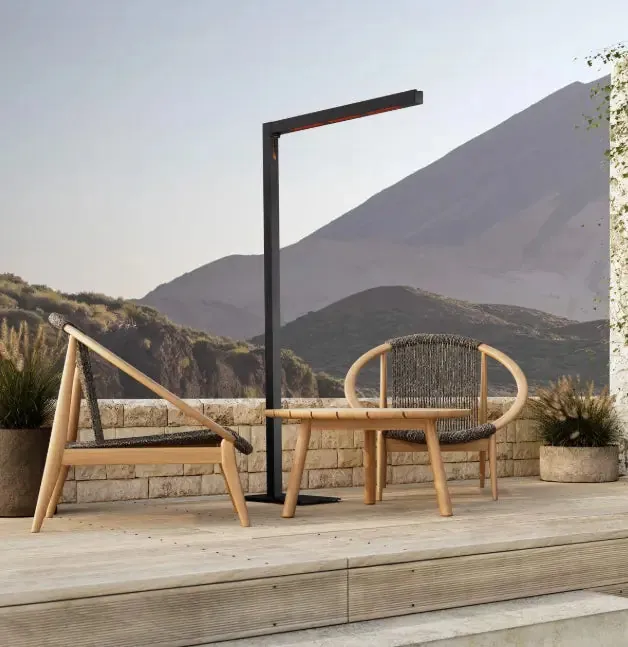
Outdoor living
Patio Heater Placement for a Better Outdoor Room
A practical guide to placing outdoor heat where people gather, while keeping the patio comfortable, clear, and safe.
Read article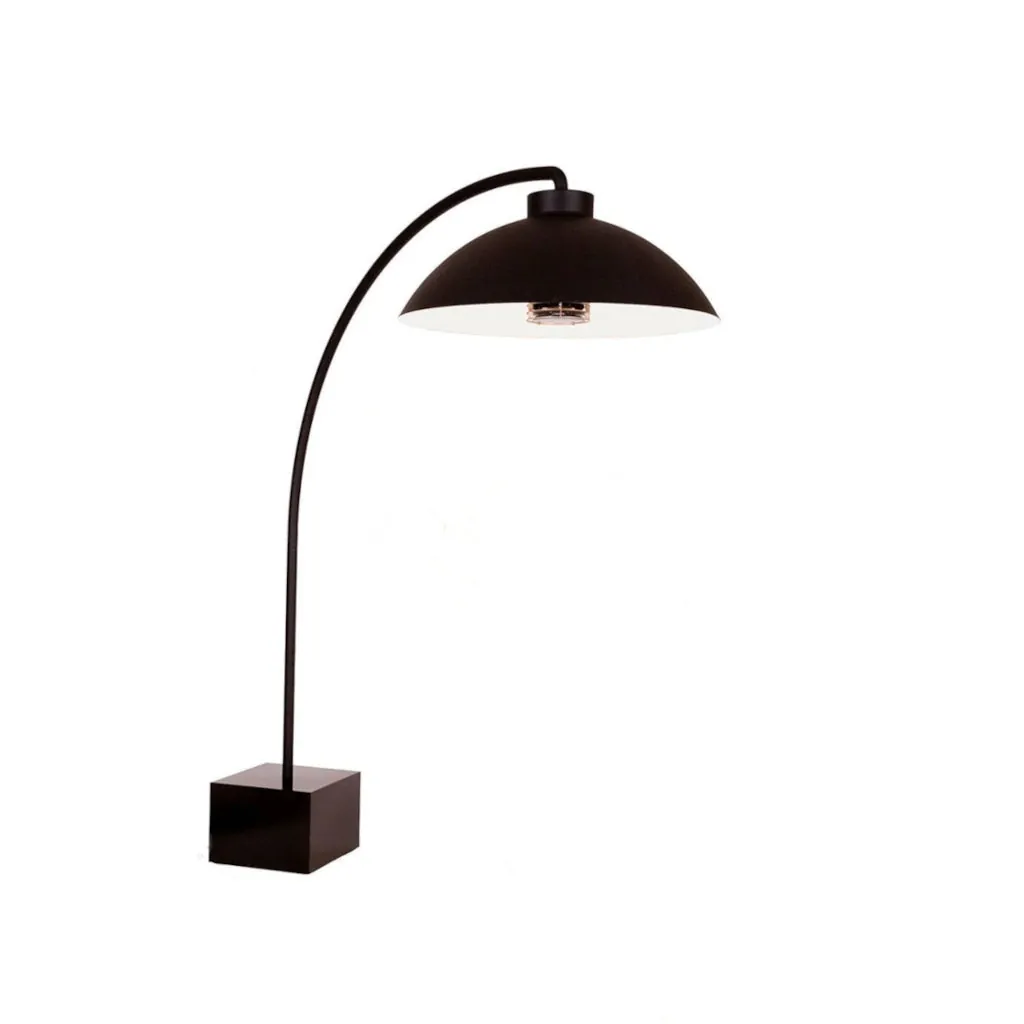
Outdoor living
Patio Heater Safety: A Practical Planning Guide
A practical patio-heater safety guide for checking the structure, clearances, footing, circulation, weather, and the exact instructions that apply to your model.
Read articleOutdoor living
How to Keep a Patio Warm in Winter
A practical guide to making a patio feel warmer in winter, with a better gathering zone, wind protection, light, soft layers, and considered heat.
Read article