
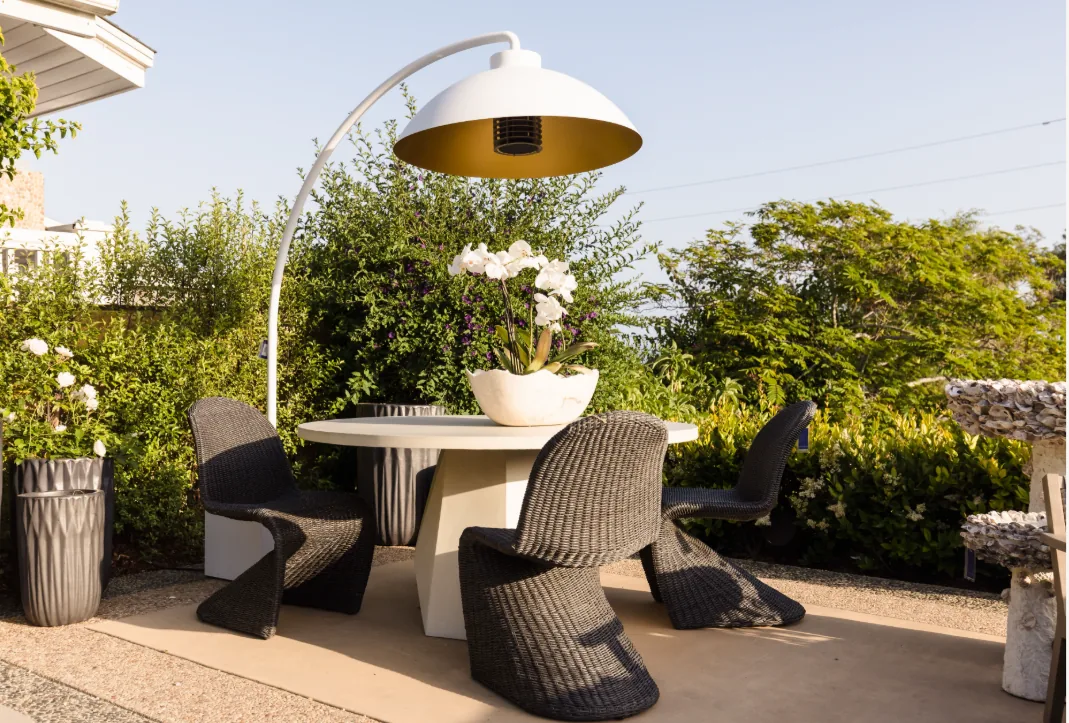
A small patio does not need to do everything. It just needs to make the part of outdoor life you value most feel easy. That might be coffee in the sun, an unhurried dinner for two, a place to read after work, or somewhere friends naturally gather when the evening is warm. Once that purpose is clear, a compact footprint stops feeling like a limitation and starts giving the room its character.
The best small patio ideas are less about squeezing in more and more about choosing the right scale. A clear walking path, one useful seating zone, and a few materials that belong together will usually outdo a crowded collection of tiny objects. Architectural Digest's small-patio advice makes a similar point when it treats a patio as an outdoor room, where scale and material choices do the real work. This guide turns that thought into a practical plan you can use before buying a single chair.
1. Decide what your patio is for before you arrange it
Start with the question that saves the most money and second-guessing: what do you want to do here most often? A patio that is mostly used for a morning cup of coffee needs a different plan from one that hosts weekend dinners. A reading corner needs comfort and a place to set down a drink. A family entry patio may need a bench, a landing spot for bags, and a route that stays open when everyone comes through the door.
Pick one primary use, then allow for a small secondary use only if the layout supports it. For example, a round café table can become both a breakfast spot and a generous side table. A built-in or wall-side bench can seat guests at dinner, then leave the floor open the rest of the week. What makes a small patio frustrating is not a lack of square footage. It is asking every surface to perform three conflicting jobs at once.
Stand in the space with a tape measure and mark the path from the door, gate, or grill. Keep that route clear first. Then place the largest necessary item where it will not interrupt the path or block a view you enjoy from inside. This simple test often reveals that a smaller table, one less chair, or a bench along the wall will make the patio feel far more usable.
2. Create one strong zone instead of several weak ones
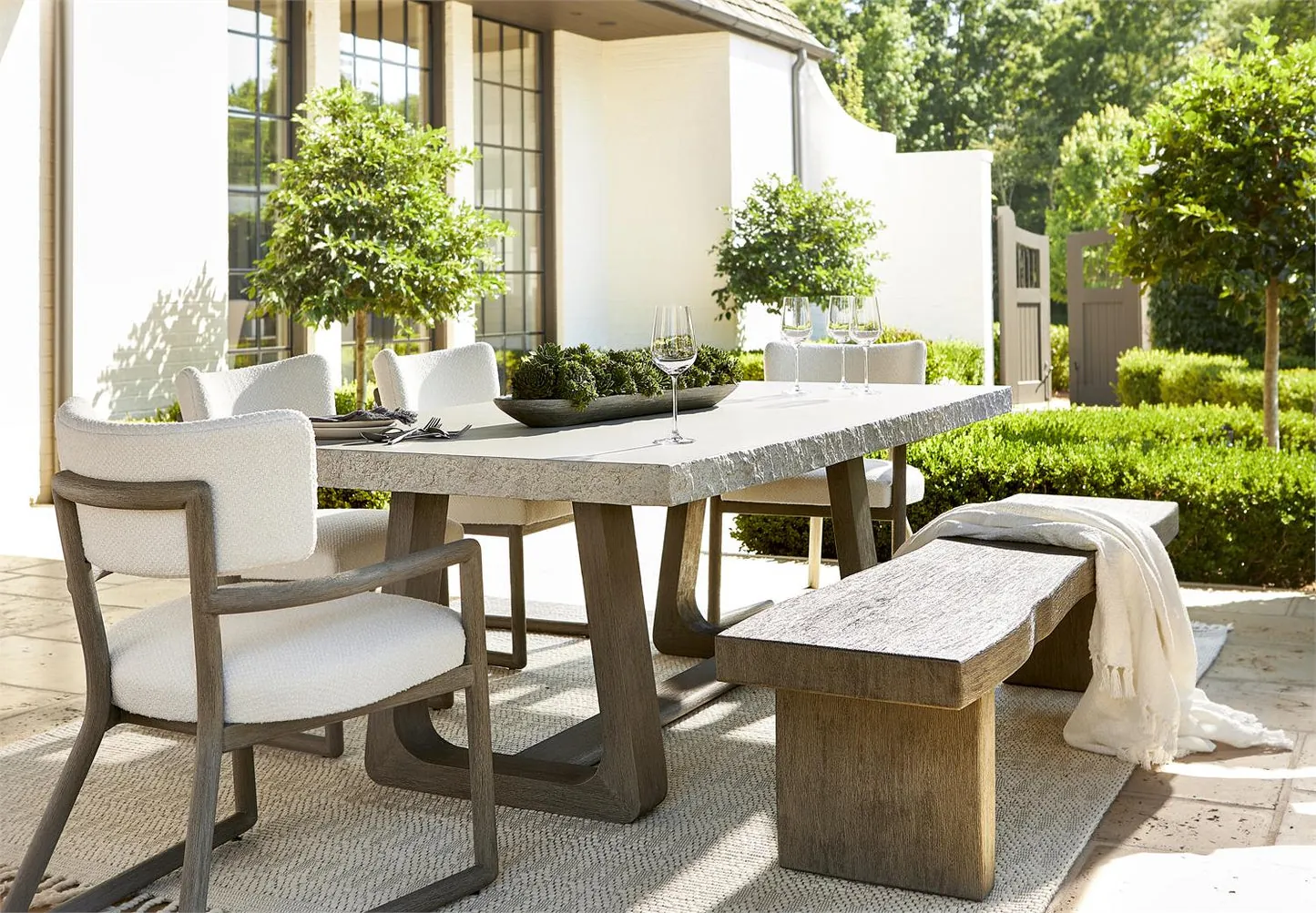
Compact patios look larger when the eye can read their purpose quickly. Choose one central zone, such as a dining setting or a lounge grouping, and let the rest of the patio support it. An outdoor rug can establish that zone without adding a wall or a bulky divider. Martha Stewart's design guidance also notes that a rug can define a seating area while preserving valuable walking space.
For a narrow patio, the zone may be a line rather than a cluster: a bench or loveseat along one long edge, a petite table in front, and a chair or stool that can move when needed. On a squarer patio, two chairs facing each other with a small table between them can feel more relaxed than a large sectional pressed into a corner. Leave some floor visible around the grouping. Open ground is not wasted space, it is what allows the furniture to feel intentional.
Use one grounding element to keep the scene coherent. It might be a rug, a pair of matching planters, or a consistent finish across the table and chairs. Avoid creating mini-zones with every accessory. A compact patio is usually at its best when it has one clear centre of gravity and a little breathing room around it.
3. Choose furniture that earns its footprint
Every piece should answer a specific need: sit, set something down, create shade, store a cushion, or make the patio more comfortable after dark. Start with proportions, not labels. Measure the chair depth, the table at its widest point, and the clearance needed to sit down and stand up. The most beautiful piece on its own can still be wrong if it forces people to turn sideways past it or prevents a door from opening fully.
Look for adaptable pieces. A small round table has no sharp corners in a tight circulation path. Nesting tables can spread out when friends visit, then tuck away. A slim bench can provide seating without scattering individual chairs across the floor. If you like to dine outside, a bistro-height or compact dining table may be the whole answer. Home Depot's small-patio guide similarly recommends size-conscious conversation sets, bistro sets, and slim tables for limited footprints.
When comfort matters more than dining, give the patio two genuinely comfortable seats rather than four compromised ones. Add a small occasional table, a weather-ready throw, and perhaps an ottoman that can move to become extra seating. A good small patio feels generous because the people using it are comfortable, not because every square inch is occupied.
4. Use walls and height to free up the floor
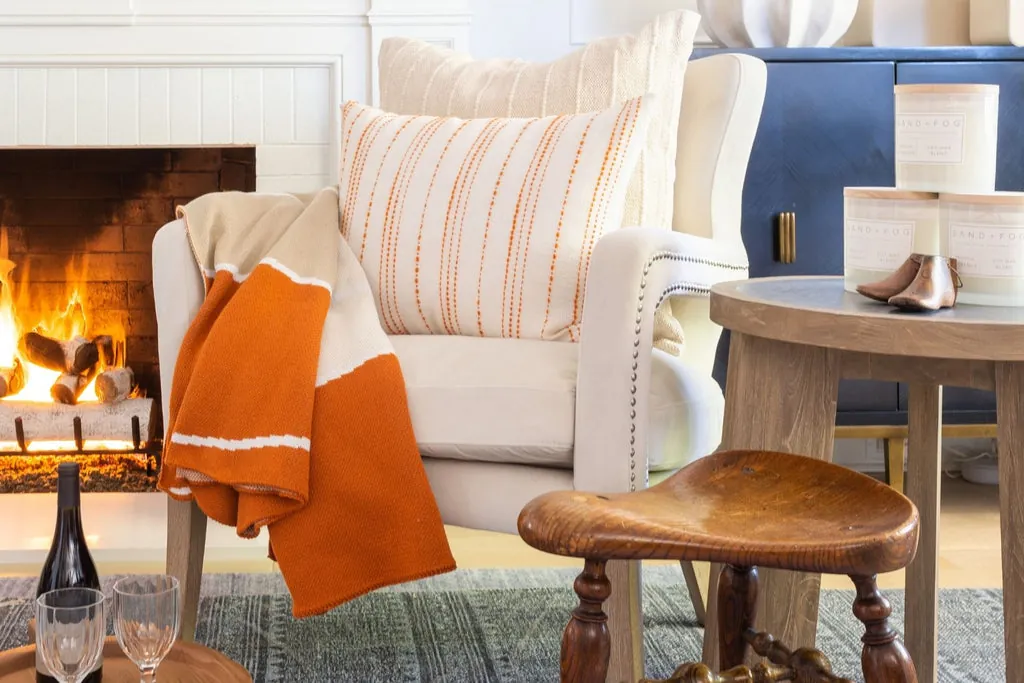
A patio has more usable space than its paving suggests. The perimeter can carry privacy, planting, light, and storage so the centre stays open. A tall, narrow planter beside a wall gives greenery presence without taking the depth of a broad pot. A trellis can support climbing plants and soften a close neighbour's view. A wall-mounted lantern or a slim sconce gives evening light without needing a floor lamp or a cord underfoot.
Height is most effective when it is calm and repeated. One tall plant, one trellis, or a line of similar wall hooks can look composed. Too many competing vertical details can make a small patio feel like a storage shed in disguise. If privacy is the goal, choose an open screen or planting that lets in light and air rather than building a heavy visual barrier at every edge.
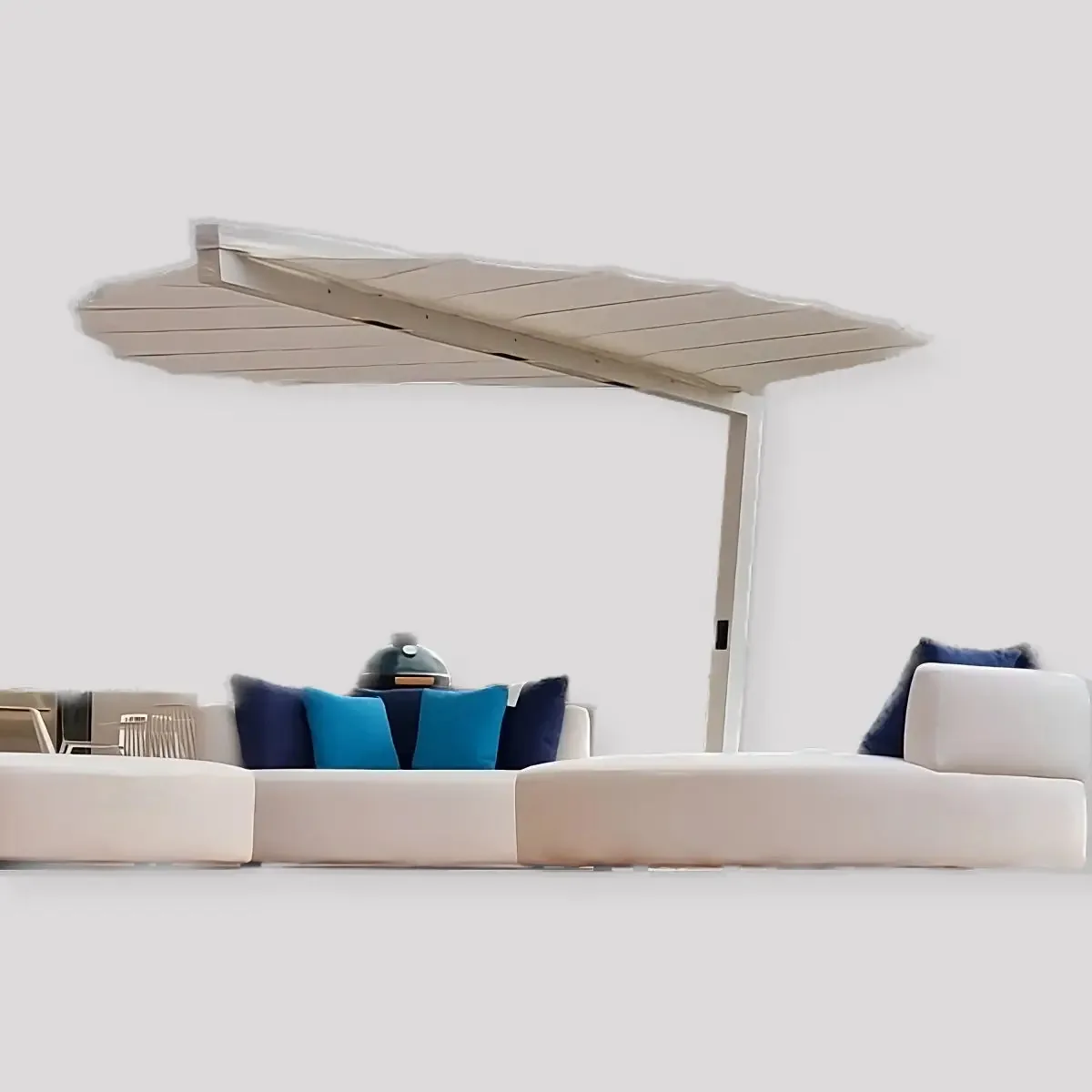
This is also the right place for compact shade. A well-positioned umbrella, a shade sail, or an overhead solution can make the patio useful during the hours when the sun would otherwise send everyone inside. For a deeper look at matching shade to sun, structure, and seating, see our patio shade ideas guide.
5. Make the patio comfortable after sunset
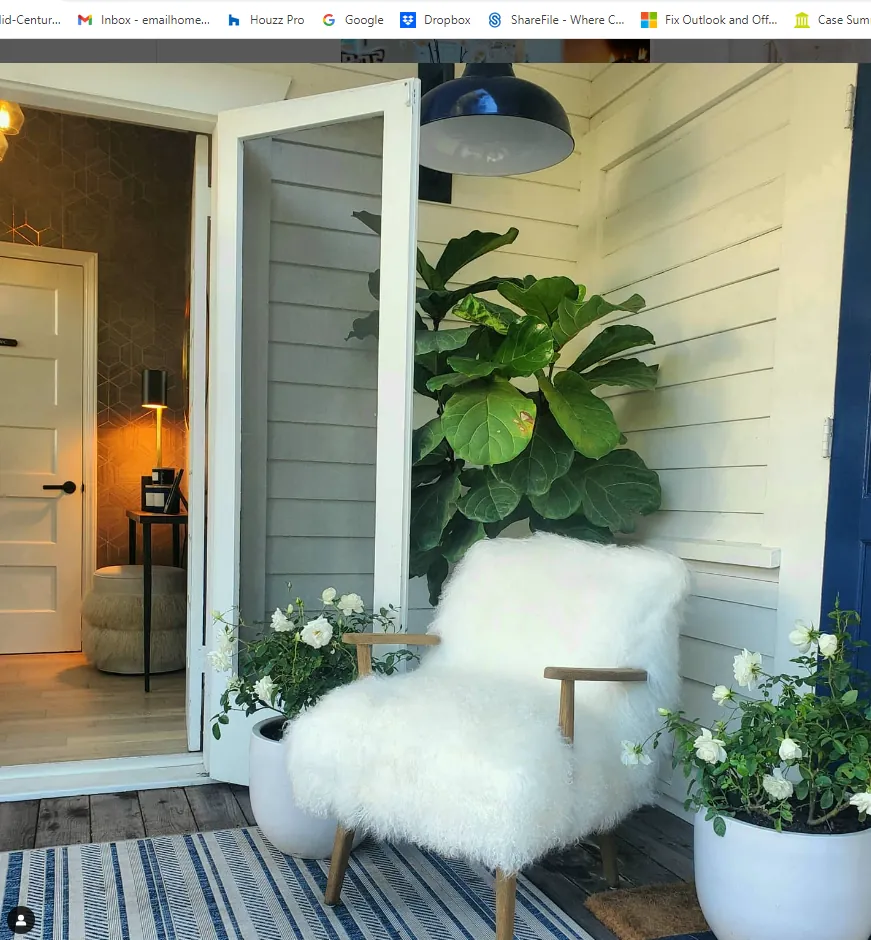
Small patios often earn their keep in the evening, when the day cools down and the pace changes. The answer is not a single bright fixture. Layer modest light where it helps people move, sit, and see one another. A warm wall light, a portable lantern on a table, or a discreet string of lights can give the space depth without turning it into a stage set. Keep the source out of eye level where possible, and let the light fall gently onto surfaces and paths.
Warmth deserves the same restraint. If an outdoor heater fits the way you use the space, choose the form around the patio layout, not the other way around. A compact patio has little room to waste on an obstacle, so clearances, heat direction, and the manufacturer's instructions matter. Our patio heater placement guide can help you think through the gathering area before you commit to a position.
The finishing layer should be tactile, not fussy. One outdoor pillow, a throw for cool nights, or a small tray for drinks can make the patio feel cared for. Stop before the finishing pieces start competing with the furniture. The nicest compact spaces are edited: the useful details are close at hand, and the rest has a place to go.
6. Give loose items a quiet home
Nothing makes a small patio feel smaller faster than the loose layer: covers, gardening gloves, spare cushions, children's toys, and pots waiting for a new home. Create a simple reset routine and a discreet storage plan. A storage bench or weather-resistant box may work well when it also supports the layout. If it only adds a large plastic shape to the middle of the patio, it is solving one problem by creating another.
Keep everyday pieces near where they are used, and move occasional items farther away. Cushions that need a dry indoor home should not be crammed into a box just for convenience. Covers need to be dry before they are folded. The result is a patio that can return to order in five minutes after dinner, rather than a project you avoid until the weekend.
Our outdoor furniture storage ideas guide walks through storage benches, deck boxes, cushions, covers, and the material-specific habits that keep the space ready to use.
7. Use a restrained palette to make the space feel calmer
A compact patio can carry personality without carrying every colour, finish, and pattern you like. Choose a starting point from the house, the paving, or the landscape, then repeat it in a few places. Warm timber might connect a chair frame, a planter stand, and a tray. Soft stone and sand tones can make a small paved area feel quieter. A deep green cushion can echo planting without asking the garden to do all the visual work.
This does not mean matching every piece. Texture is what keeps a restrained palette from feeling flat: woven seating, a ceramic planter, a linen-look outdoor pillow, and the grain of a wood table can all sit comfortably together when their colours are related. What usually makes a compact patio look busy is not contrast alone, but contrast without a clear idea behind it.
Keep the decorative layer to the objects that improve how the patio feels to use. One generous planter has more presence than six small pots scattered around chair legs. A single rug can be more grounding than several small mats. If you bring in pattern, let it live in one place, such as a pillow or a tile detail, rather than asking every surface to compete. This kind of editing gives a small patio the settled feeling of a real room.
8. Build the room in the order you will feel it
Start with the floor plan and the seating, then add shade, light, planting, and the soft layer. This order is useful because it keeps the expensive decisions focused on daily life rather than a quick visual impression. You will know whether the chair has the right scale before buying pillows for it, and whether the umbrella is in the right place before committing to planters around its base.
Give yourself permission to live with the patio in stages. Set out the basic furniture for a few evenings. Notice where the sun lands, whether people naturally pull a chair closer, and which surface fills up first. Those small observations tell you more than a crowded inspiration board. The aim is not to make a tiny patio look larger than it is. It is to make it feel so useful and welcoming that its size becomes part of the charm.
Make your outdoor room feel considered from the first piece
Home Crush can help you choose outdoor furniture with the scale, material, and comfort to suit the way you live. Browse the outdoor furniture collection, explore outdoor lighting, or work with the design team on a patio that feels right at every hour.
Frequently asked questions
How do I make a small patio feel bigger?
Start by protecting an open path from the door to the seating area, then choose fewer pieces with a clear job. A rug can define the sitting zone, tall planting can draw the eye upward, and one consistent material or colour story can make the whole space feel calmer rather than busier.
What furniture works best on a small patio?
Furniture with a modest footprint and more than one use is usually the most helpful. Think of a café table that also works for morning coffee, a bench that can become extra dinner seating, nesting tables, or a storage piece that looks at home beside the seating area.
Can a small patio have both dining and lounging?
It can, but not every patio needs both at once. Choose the way you will use the space most often as the primary zone. A compact bistro table may double as a side table, or two lounge chairs may work for both conversation and a casual meal, which keeps the layout more generous.
What is the easiest way to add privacy to a small patio?
Use the perimeter, not the centre. A trellis, tall narrow planter, climbing plant, or open screen can soften a close view while leaving the middle of the patio clear. Check any building or rental rules before attaching a permanent structure.
Related posts
Outdoor Living
Patio Shade Ideas for a Cooler, Better-Looking Space
A practical guide to choosing patio shade that suits the sun, the structure, and the way you actually spend time outside.
Read article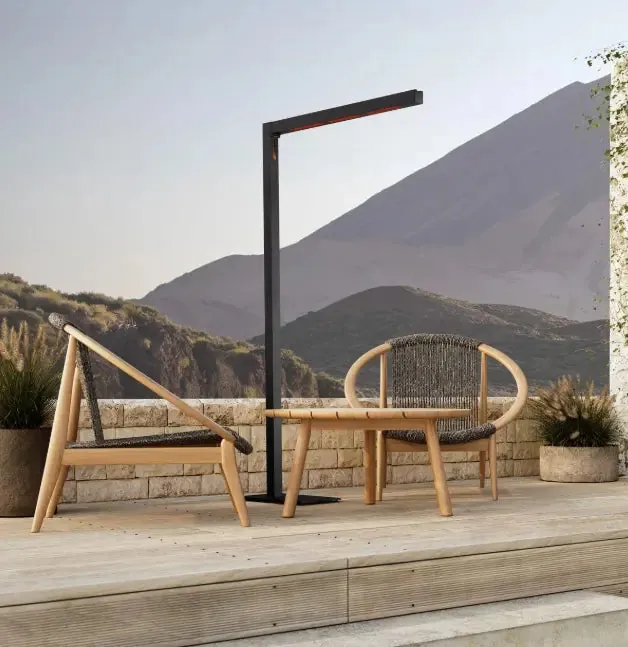
Outdoor Living
Patio Heater Placement for a Better Outdoor Room
A practical guide to placing outdoor heat where people gather, while keeping the patio comfortable, clear, and safe.
Read article
Outdoor Living
Outdoor Furniture Storage Ideas for a Calm Patio
A practical guide to storing cushions, covers, and outdoor essentials without making a well-designed patio feel crowded.
Read articlePhotography from Home Crush and Heatsail.